Jidiao

Tradition: Chinese mythology
Alternative Names: Jidiao, 吉弔
Category: Dragon, Turtle


The Myth

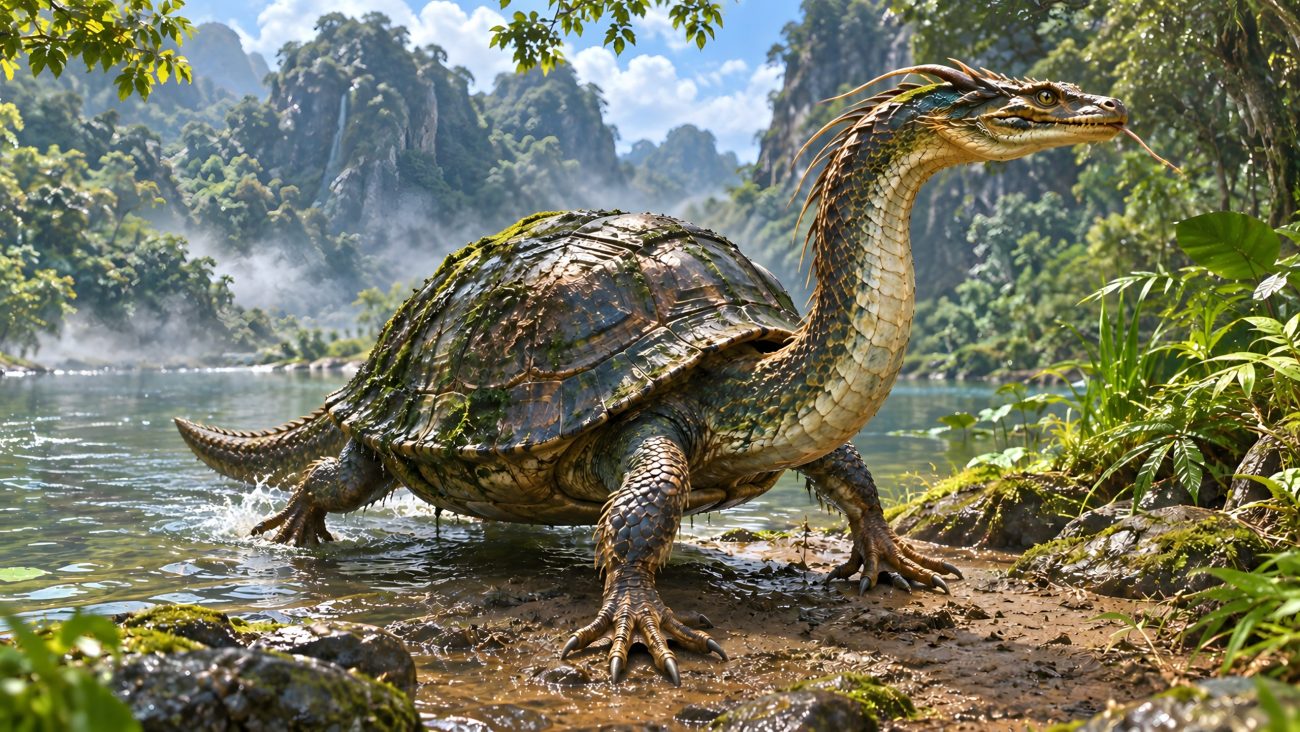
Jidiao has the body and shell of a turtle, but its head resembles that of a dragon or snake. Its legs resemble the feet of a bird, with four toes. It is an aquatic creature, though it can also live among trees.

Jidiao is said to live in southern China, particularly around Guangdong and Guangxi, and in areas near the border with Vietnam. It inhabits places near water as well as forests.

According to one tradition, when a dragon lays eggs, it produces two eggs. One hatches into a dragon, while the other becomes a Jidiao. Another account says that a dragon produces three eggs, one of which becomes a Jidiao.

The Jidiao has an unusually long head and tail, so that they cannot both be withdrawn completely into its turtle shell.

Ancient accounts also describe a special fat or oil obtained from the Jidiao. This substance was said to be extremely light and capable of penetrating materials more effectively than clarified butter. It was collected in containers, with eggshells said to be the only vessels that would not allow it to leak through. The fat was used medicinally against poisonous swellings and injuries caused by leeches.


Sources

“吉弔 (Jídiào).” Chinese Wikipedia. Wikimedia Foundation. Accessed September 19, 2026. https://zh.wikipedia.org/wiki/%E5%90%89%E5%BC%94
Colchis Dragon

Tradition: Greek mythology
Alternative Names: Colchian Dragon, Dragon of the Golden Fleece
Category: Dragon


The Myth

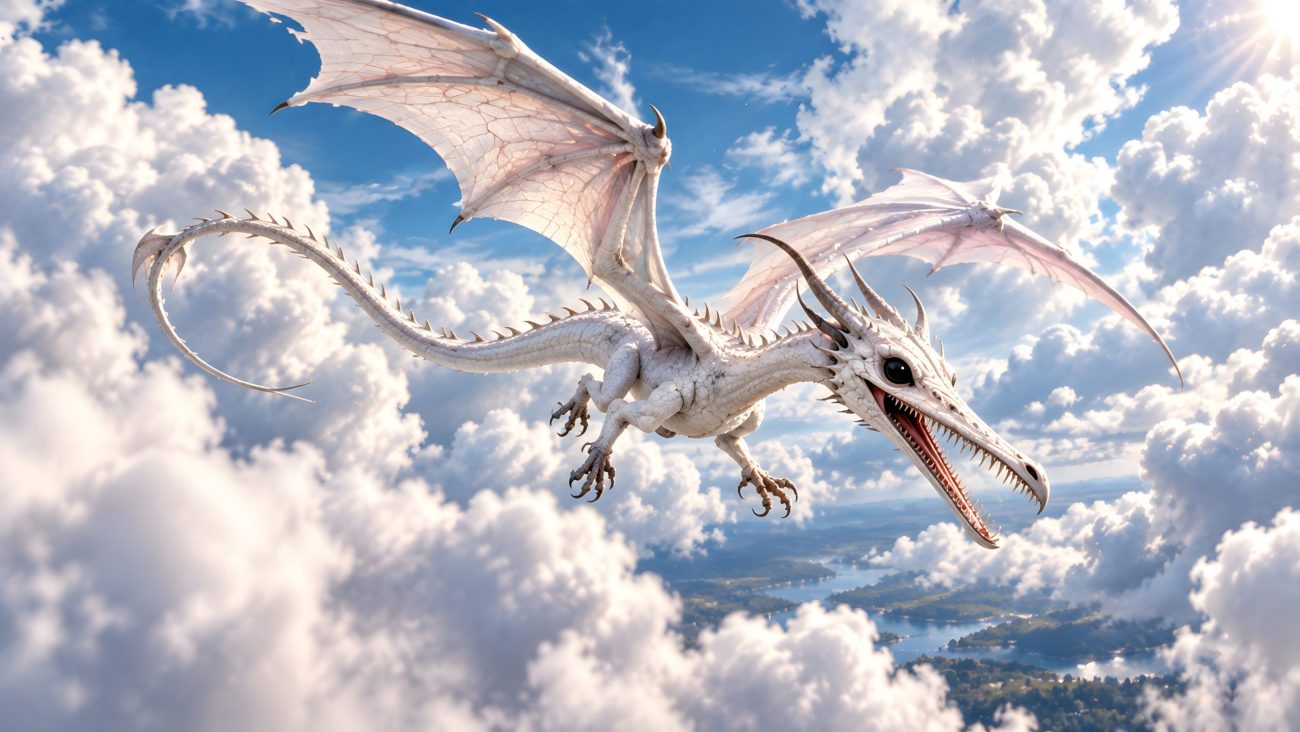
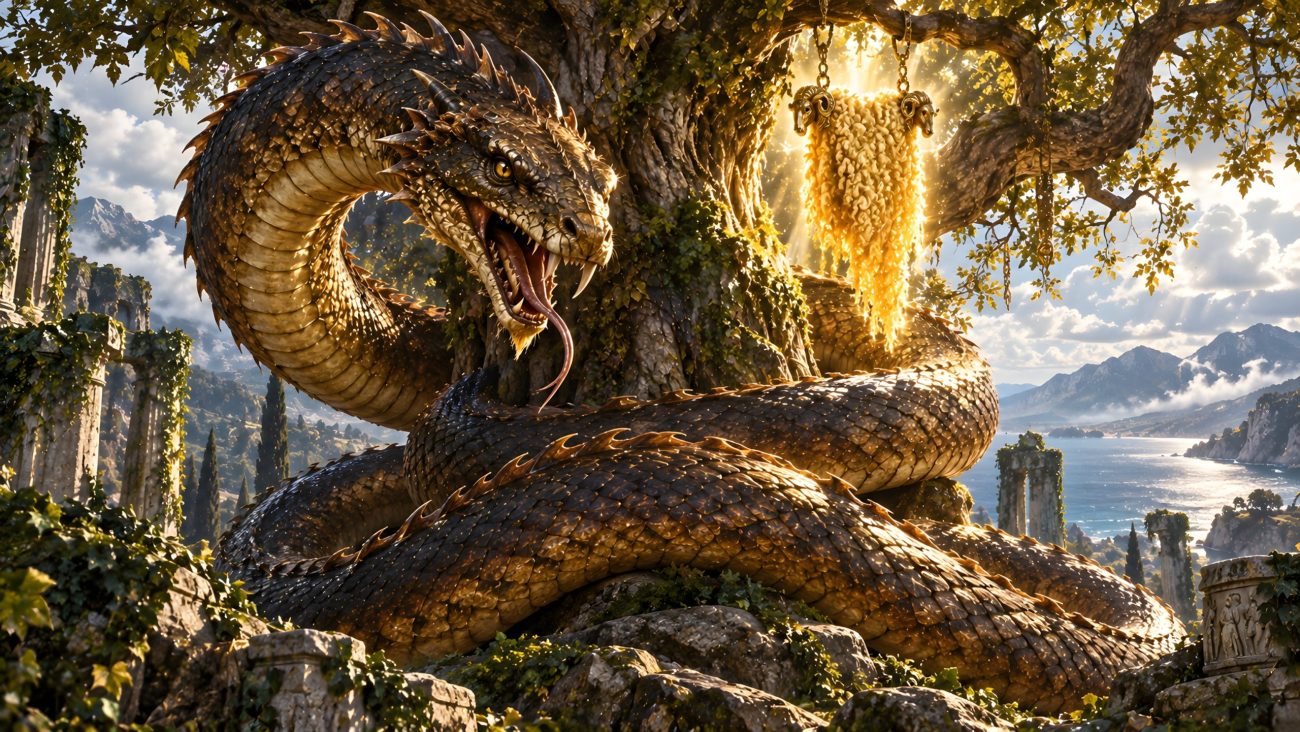
The Colchis Dragon was a sleepless dragon that guarded the Golden Fleece in Colchis. It watched over the fleece belonging to King Aeetes, which had been given to him by Phrixus.

Jason arrived in Colchis seeking the Golden Fleece. Aeetes promised to give it to him, but only if Jason completed three difficult tasks. Jason became discouraged when he heard what was required, but Medea, the daughter of Aeetes, had fallen in love with him after Hera persuaded Aphrodite to have Eros cause her to love him. Medea therefore decided to help Jason.

Jason first had to yoke and plow a field using the Khalkotauroi, fire-breathing oxen. Medea gave him an ointment that protected him from their flames. He then sowed dragon’s teeth into the field. The teeth grew into an army of warriors, the Spartoi. Medea had warned Jason about them and told him how to defeat them. Jason threw a rock among the warriors, causing them to attack one another until they had destroyed themselves.

His final task was to overcome the sleepless dragon guarding the Golden Fleece. Medea gave Jason a potion made from herbs, which he sprayed upon the dragon. The potion caused the dragon to fall asleep.

With the dragon asleep, Jason seized the Golden Fleece and escaped with Medea. The two sailed away while Medea distracted her father, Aeetes, who pursued them. Medea killed her brother Apsyrtus and threw pieces of his body into the sea, forcing Aeetes to stop and gather them. In another version, Medea lured Apsyrtus into a trap, where Jason killed him and buried his body after cutting off his fingers and toes. Jason and Medea ultimately escaped.


Sources

“Jason.” Wikipedia: The Free Encyclopedia. Wikimedia Foundation. Accessed September 19, 2026. https://en.wikipedia.org/wiki/Jason#The_arrival_in_Colchis


Zilant

Tradition: Tatar and Russian Mythology
Alternative Names: Zilant, Zilant the Flying Serpent
Category: Dragon, Cow


The Myth

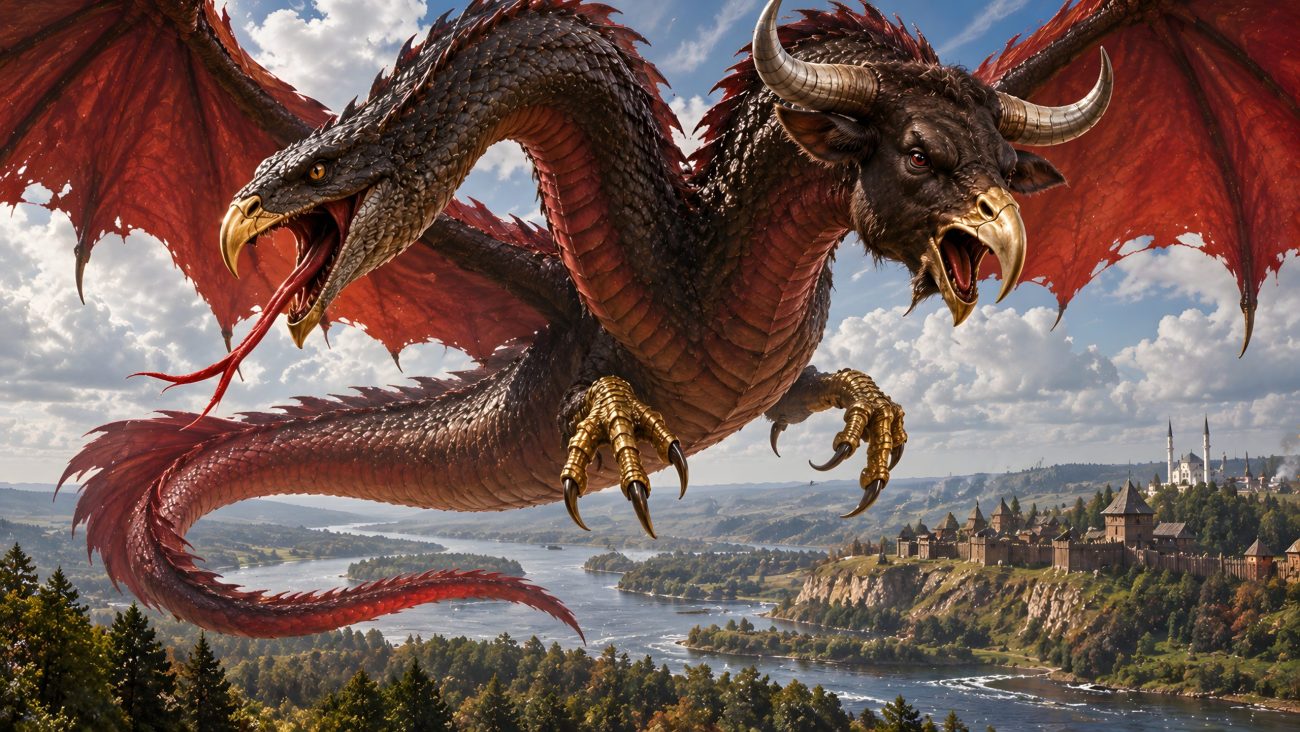
Zilant was a two-headed flying serpent. One head was that of a snake, while the other was that of an ox. With the snake’s head, it devoured young horses and beautiful maidens brought to it as sacrifices. With the ox’s head, it ate grass.

According to legend, the site of Kazan was once inhabited by countless snakes, each as thick as a log. Zilant was their leader. The snakes became such a danger that the people sought a way to destroy them.

The Khan consulted the sorcerer Hakim, who advised him to cut down the surrounding forest and brush and gather it into a great pile of straw. In spring, when everything had dried and the snakes had crawled out from beneath the ground, the straw was to be burned.

The plan was carried out. The snakes were surrounded by the blazing fire and burned alive. The flames and smoke were so intense that people, horses, and camels died from them.

After the destruction of the snakes, the Khan placed Zilant on his coat of arms to commemorate the event.

The image of Zilant later became associated with Kazan and was depicted as a black winged dragon with scarlet wings and tail, a golden beak and claws, and a scarlet tongue. The creature became an enduring symbol of the city.


Sources

“Ostrovetskii Tsmok.” New Bestiary (Bestiary.us). Accessed September 19, 2026. https://www.bestiary.us/ostrovetskii-tsmok


Ostrovets Tsmok

Tradition: Belarusian Mythology, Lithuanian Mythology
Alternative Names: Ostrovets Tsmok, Tsmok
Category: Dragon, Cow


The Myth

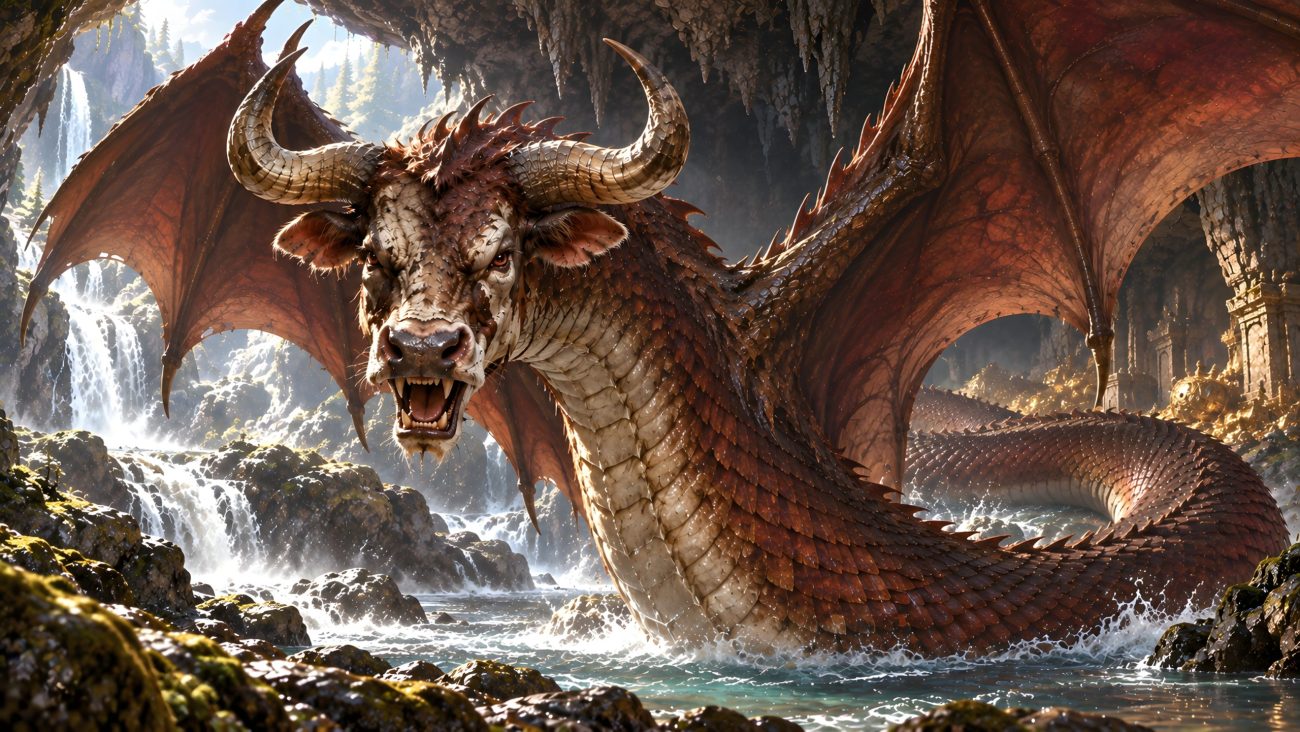
The Ostrovets Tsmok has the body of a snake and the head of a cow. It is a strong and frightening creature, with a large body and horns resembling those of a cow. The Tsmok lives in forests and underground burrows, and is associated with hidden places, rivers, caves, and buried treasures.

The most famous Ostrovets Tsmok comes from the village of Voleikiški in the Ostrovets district. It was said to live in ancient times in a remote forest near the village. One legend says that it was a very kind creature, despite its frightening appearance. It helped people who were poor, and it was said to have guarded treasure hidden underground.

Another tradition says that the Tsmok was a dangerous creature. It lived in a forest or underground and would sometimes emerge from its burrow. People were warned not to approach it. Some stories describe a red snake living beneath the ground, with one such creature inhabiting each forest.

One local story tells of children who were forbidden to swim in the Viliya because a cow-headed creature lived there. The Tsmok was said to emerge from the water and suck the blood of swimmers.

Other stories connect the Tsmok with cattle. In one tale, a child was herding cows when he suddenly heard a sharp mooing sound. He followed the sound and discovered that one of the cows had a strange bite on its lip. No one could explain what had bitten it.

The Tsmok was also associated with hidden treasure. One legend says that gold was concealed beneath a pile of stones in the forest. The treasure was guarded by a Tsmok, which frightened away anyone who attempted to retrieve it. People said that whoever was brave enough to defeat the Tsmok could take the treasure.

The creature was particularly associated with underground places. Stories describe Tsmoks living in burrows and caves, sometimes hiding beneath hills or near rivers. One tradition even says that Tsmoks could construct stone barriers in rivers, marking dangerous shallows and places where the water was difficult to cross.

The Ostrovets Tsmok was therefore connected with both the natural landscape and the hidden world beneath it: forests, rivers, underground passages, buried treasure, cattle, and dangerous places.


Sources

“Ostrovetskii Tsmok.” New Bestiary (Bestiary.us). Accessed September 19, 2026. https://www.bestiary.us/ostrovetskii-tsmok


Lepel Tsmok

Tradition: Belarusian Mythology
Alternative Names: Lepel Tsmok, Lepel Dragon, Poozersky Tsmok
Category: Dragon, Deer


The Myth

The Lepel Tsmok is one of the most famous Belarusian tsmoks, a type of aquatic dragon associated with the Poozerie region. It is said to inhabit Lake Lepel and the surrounding waterways of northern Belarus.

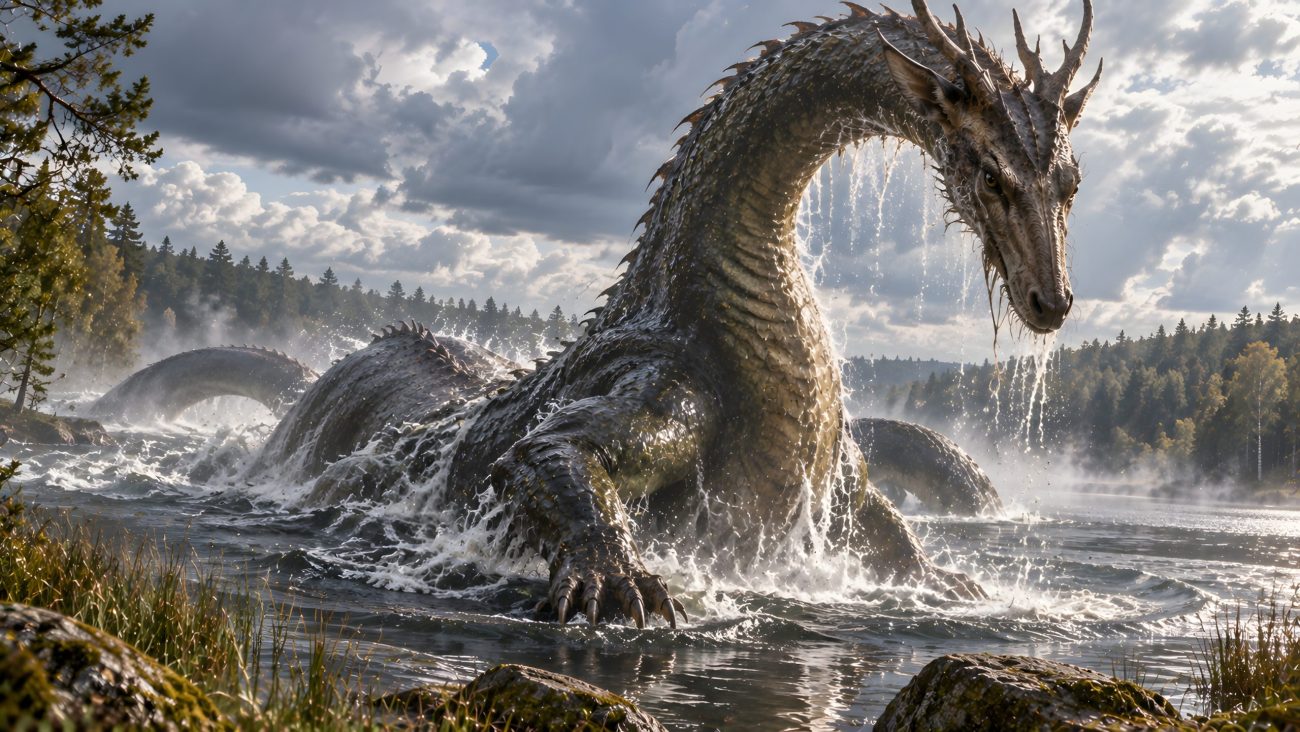
Descriptions of the creature vary, but it is generally imagined as a gigantic serpent-like or dragon-like animal. One description compares it to a large snake with a long neck and a head resembling that of a deer, with a mouth full of sharp teeth. Another describes a creature resembling a gigantic fish, with a head like a horse or a deer. Accounts also give it enormous size and strength, with some saying that its body could stretch for great distances through the water.

The Lepel Tsmok was traditionally feared as a powerful creature of the lakes and rivers. Stories tell of it appearing in the water, frightening people, and occasionally attacking or interfering with boats. Its appearance was often associated with mysterious disturbances in the lakes of the Lepel region.

According to local tradition, the great lake dragons appeared in the Belarusian lakes hundreds of years ago. One tradition connects their disappearance with the legend of Saint Ambrose of Kuteyn. When the saint encountered the dragons and their supernatural presence, he is said to have cursed them and driven them away from the lakes.

Another tradition tells of the disappearance of the Lepel Tsmok through the actions of the villagers themselves. The creature was said to have lived in the lake and surrounding waterways, while people avoided disturbing it. Stories nevertheless persisted of enormous creatures moving beneath the surface and occasionally appearing near the shore.

The Lepel region also preserved ritual traditions connected with the tsmok. In one account, people went to the lakes and rivers to make offerings and pray for protection. The local people regarded the waters as inhabited by powerful supernatural beings, and certain days were considered especially dangerous for entering them.

Stories of the Lepel Tsmok continued into modern times. People claimed to have seen a huge serpent-like creature swimming in the rivers and lakes of the region. Witnesses described an enormous body moving through the water, sometimes with only the head and part of the back visible above the surface.

The creature also became connected with Belarusian literary culture. Vladimir Korotkevich used the traditions surrounding the Lepel Tsmok and the ancient lake dragons in his writings, helping preserve the creature as one of the best-known legendary monsters of Belarus.


Sources

“Лепельский Цмок (Lepelskiy Tsmok).” New Bestiary (Bestiary.us). Accessed September 5, 2026. https://www.bestiary.us/lepelskij-cmok


Mungkorn Vihok

Tradition: Thai Mythology
Alternative names: —
Category: Cow, Dragon


The Myth

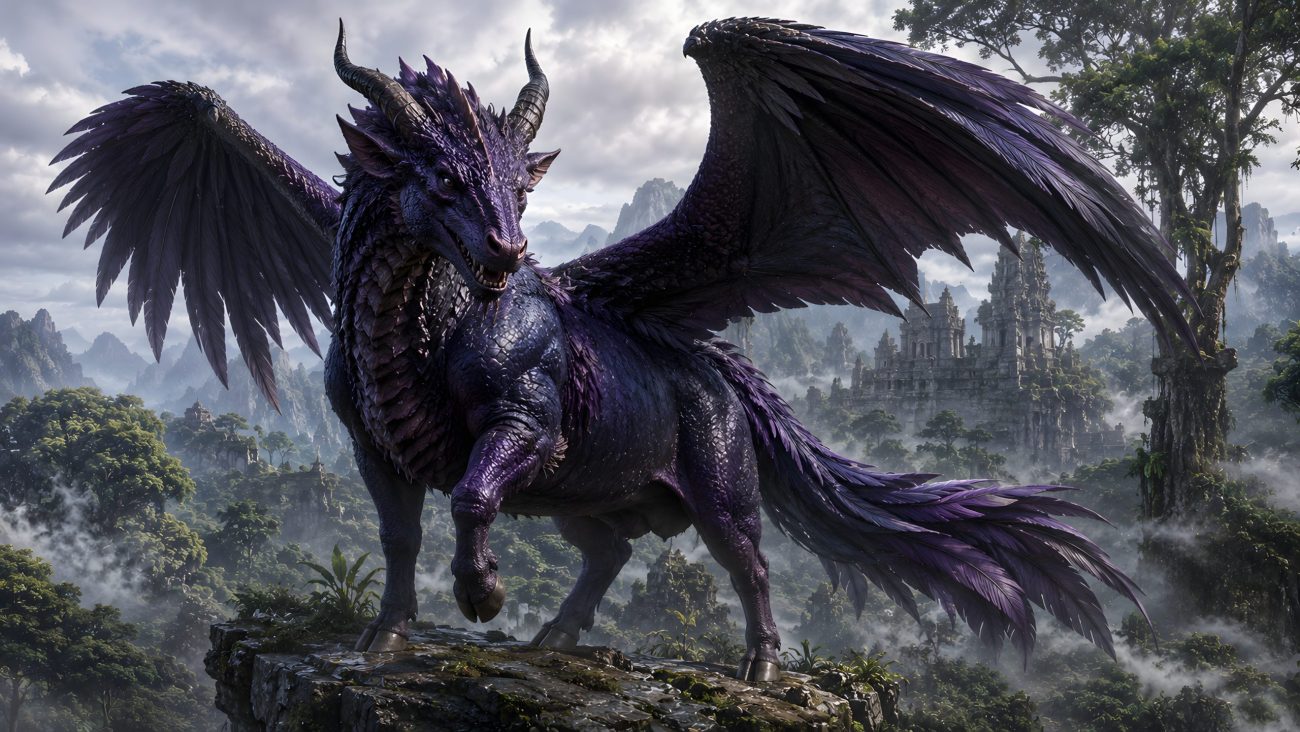
The Mungkorn Vihok is a four-legged creature combining the physical characteristics of a dragon, a bird, and a cow.

Its head resembles that of a dragon, while its bovine-like body is covered in dark purple coloring. From its body grow two wings, and it possesses a bird-like tail, combining features of three different creatures into a single unusual beast.

No further myths, powers, or stories about the Mungkorn Vihok are given in the source.


Sources

“The Mythical Creatures in Thailand.” Explore Bangkok. Accessed August 29, 2026. https://www.explore-bangkok.com/mythical-creatures-in-thailand/


Dragon of Wyl

Tradition / Region: Swiss Mythology
Alternative names: Dragon Reed
Category: Crocodile, Dragon


The Myth

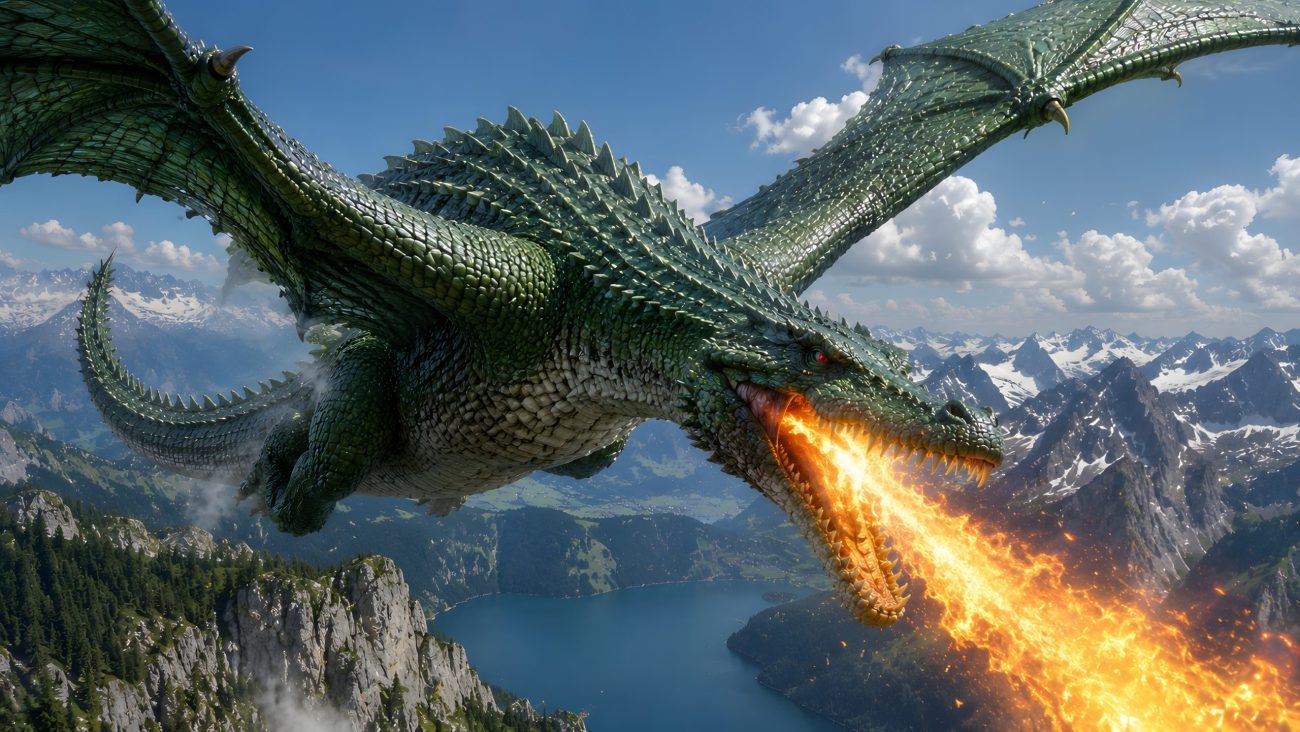
According to a legend from Unterwalden, a terrible dragon once lived in a cave above the village of Wyl on the shores of Lake Lucerne. The monster was described as a hideous lindworm covered in scales with razor-sharp claws. When it flew through the air, it resembled a gigantic flying crocodile, and it could breathe fire from its jaws.

The dragon devastated the surrounding countryside, devouring livestock and shepherds alike. No one was safe from its attacks, and even children and young women gathering food in the fields lived in constant fear. The destruction became so severe that the village earned the name Ödwyl, meaning “Desolate Wyl.”

A banished knight named Struthan Winkelried offered to slay the beast in exchange for permission to return to his homeland. Desperate for deliverance, the people accepted his offer.

Struthan confronted the dragon wearing chainmail and carrying a lance wrapped in thorn bushes. When the fire-breathing monster charged, it hurled itself onto the thorn-covered lance. After a fierce struggle, the dragon was slain.

As the knight withdrew his weapon, some of the dragon’s blood ran onto his bare arm. Although he immediately washed it away, the poisonous blood proved fatal, and he died soon afterward.

The people mourned the hero who had freed them from the dragon’s terror and built a memorial chapel on the place where he had defeated the monster.


Sources

SAGEN.at. (n.d.). Das Drachenried. In Traditionelle Sagen. Retrieved June 29, 2026, from https://www.sagen.at/texte/sagen/schweiz/allgemein/drachenried.html


Bái Lóngmǎ

Tradition / Region: Chinese Mythology
Alternative names: White Dragon Horse, Jade Dragon, Yì Mǎ (Will Horse)
Category: Horse, Dragon


The Myth

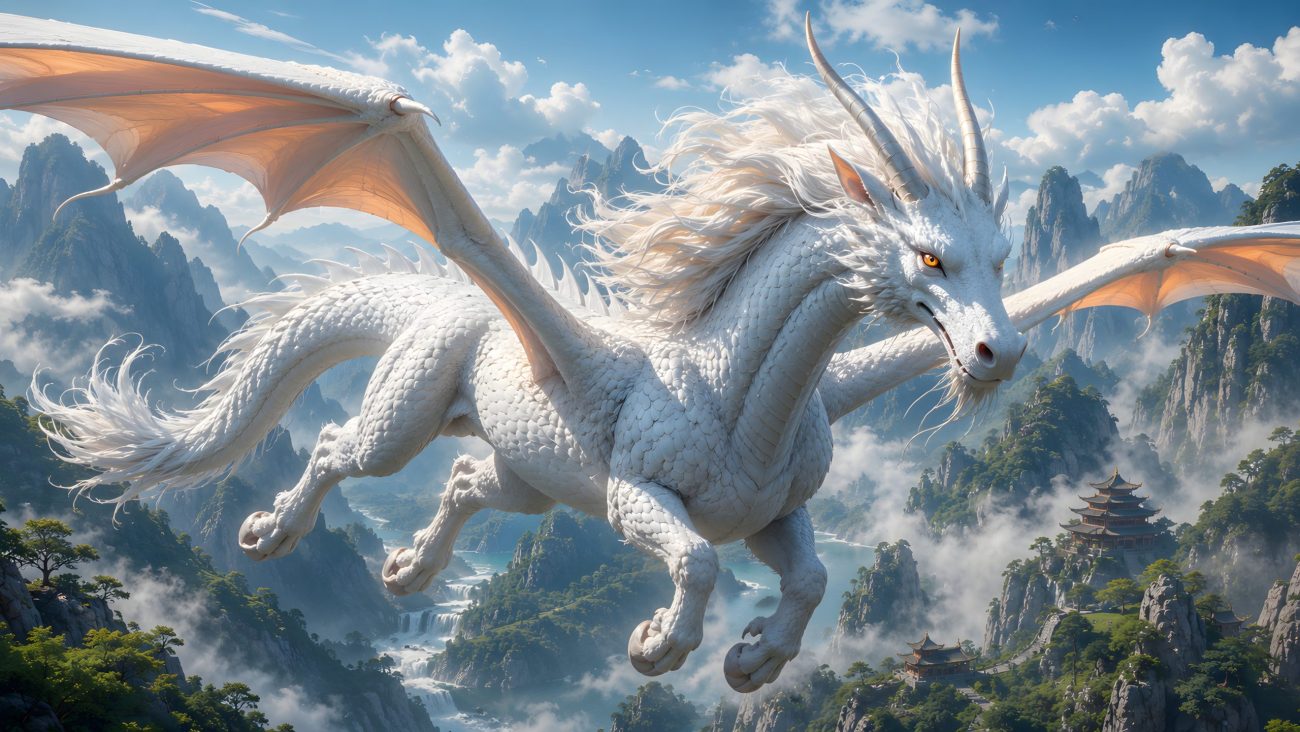
The White Dragon Horse was originally the third son of Ao Run, the Dragon King of the Western Sea. After accidentally burning a sacred pearl bestowed by the Jade Emperor, he was sentenced to death. Guanyin Bodhisattva intervened, sparing his life and instructing him to wait at Eagle Sorrow Gorge for the monk Tang Sanzang, whose pilgrimage to India would become his path to redemption.

Before recognizing the monk, the dragon emerged from the river and devoured Tang Sanzang’s white horse. Guanyin then revealed his true purpose and ordered him to transform into a white horse to replace the one he had eaten. After shedding his dragon horns and scales, he became Tang Sanzang’s faithful mount, carrying the monk throughout the long journey to obtain the Buddhist scriptures.

Unlike Sun Wukong, Zhu Bajie, and Sha Wujing, the White Dragon Horse rarely fought. He quietly endured the hardships of the journey, serving with unwavering loyalty while transporting his master across mountains, rivers, and deserts.

His greatest act of heroism came when Tang Sanzang was captured by the Yellow-Robed Demon after Sun Wukong had been dismissed from the pilgrimage. Realizing that the entire quest would fail if he remained passive, the White Dragon Horse cast off his saddle, transformed back into his dragon form, and infiltrated the demon’s palace disguised as a palace maid. Although he was defeated and wounded in battle, he escaped and urged Zhu Bajie to seek out Sun Wukong and beg him to return, leading to Tang Sanzang’s rescue.

After the successful completion of the pilgrimage and the return with the sacred scriptures, the Buddha rewarded the White Dragon Horse for his faithful service by elevating him to the rank of Guangli Bodhisattva of the Eight Heavenly Dragons. He then regained his true dragon form in the Dragon Transformation Pool and took his place among the celestial dragon guardians of the Buddhist paradise.


Sources

Wikipedia contributors. (n.d.). 白龙马. In 维基百科,自由的百科全书. Retrieved June 29, 2026, from https://zh.wikipedia.org/wiki/%E7%99%BD%E9%BE%99%E9%A9%AC


Aitvaras

Tradition / Region: Lithuanian Mythology
Alternative names: Aitvar, Ajtwaros, Aitvaros
Category: Dragon


The Myth

The Aitvaras is a supernatural flying spirit that most often appears as a fiery serpent or dragon, though it may also take the form of a black rooster, crow, heron, cat, or a streak of fire crossing the night sky. It is believed to bring wealth to its master by stealing grain, money, milk, honey, butter, sausages, and other goods from neighboring households.

According to older traditions, the Aitvaras was also viewed as an incubus-like spirit that visited women at night. It was said to press upon sleeping people, seduce young women, and could even enter locked houses through the keyhole. Medieval Prussian chronicles describe these spirits as punishments sent by the old gods after the Christianization of Prussia. Appearing in human form, they tempted people into sin, drove some to madness, and lured others to drown themselves or commit terrible crimes until frightened villagers returned to the pagan priests for protection.

The Aitvaras delighted in braiding horses’ manes and sending nightmares. At night it appeared as a blazing fireball racing across the sky. One legend tells of villagers who trapped one by sticking a knife into the ground between their feet. The fiery creature landed on an alder tree, causing even its highest leaves to tremble, but the terrified men quickly released it.

Many stories tell how people deliberately obtained an Aitvaras to gain riches. One common method was to keep a black rooster for seven years. In the eighth year the rooster laid an egg, from which the Aitvaras hatched. Others claimed one could buy an Aitvaras at the market in Riga, or receive one from the Devil in exchange for a human soul.

Once acquired, the spirit secretly filled its master’s home with stolen goods. In one tale, glowing embers mysteriously appeared inside a poor couple’s house. Had the woman picked them up, they would have turned into money, but she threw them away, and the miracles ceased. In another story, a man unknowingly carried an Aitvaras home hidden inside a pin. From that day his horses flourished, his cattle multiplied, and prosperity came to his farm. When another person accidentally removed the enchanted pin, the wealth vanished overnight.

Although the Aitvaras could make its owner enormously wealthy, it remained a dangerous and unpredictable being. Folklore warns that getting rid of one was extremely difficult, for simply driving it away or killing it could cause a destructive fire.


Sources

Bestiary.us. (n.d.). Ajtvaras. In New Bestiary: Encyclopedia of Imaginary Beings. Retrieved June 29, 2026, from https://www.bestiary.us/ajtvaras