Nimeriarjuaq

Tradition: Inuit Mythology, Canadian Mythology, Greenlandic Mythology
Alternative Names: The Hairy Worm
Category: Insect


The Myth

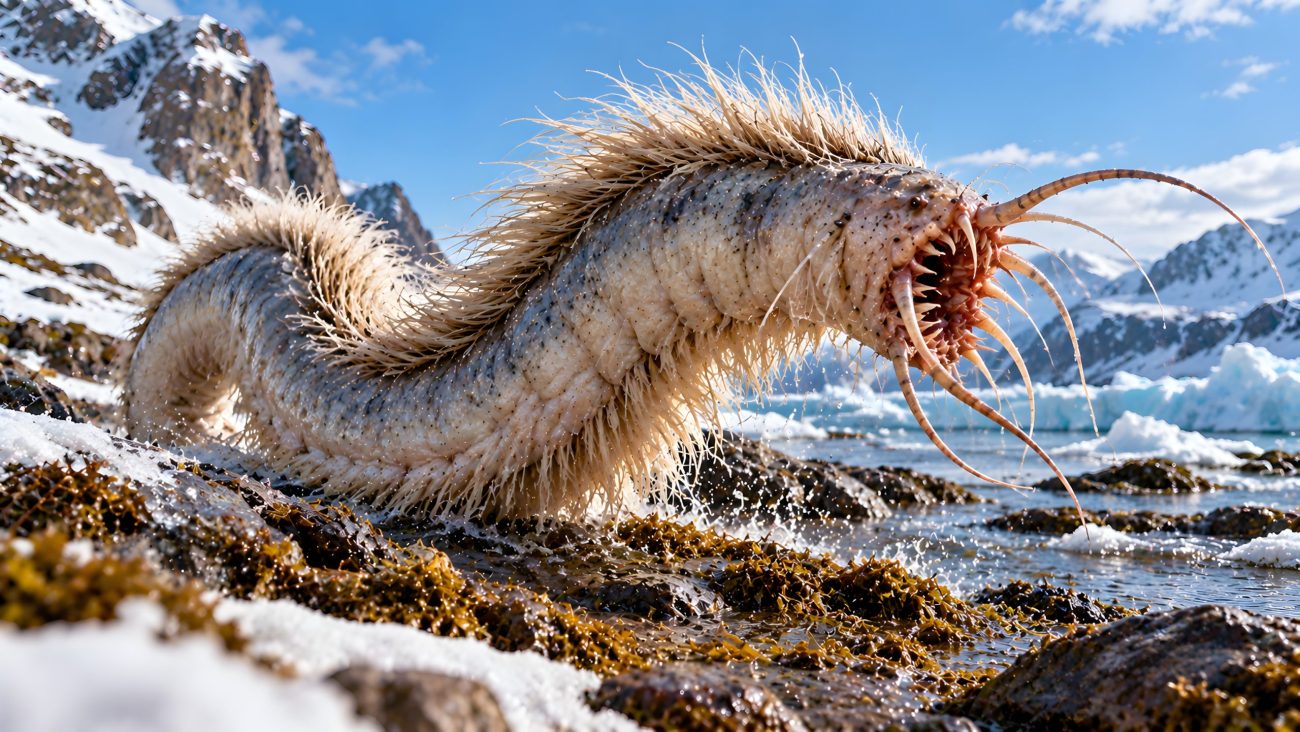
Nimeriarjuaq, meaning the Hairy Worm, is a swift, worm-like spirit that moves by writhing its body in sinuous waves. It lives both on land and in the sea and is smaller and narrower than a bearded seal. Its hair grows only along its back and belly, leaving the rest of its body without hair.

Despite its unusual appearance, Nimeriarjuaq is a helpful spirit associated with healing and protection. It can assist in curing the sick and may also serve as a defender, protecting those who call upon it. Its speed and ability to move between land and sea make it a versatile spirit, valued for both its healing powers and its role as a guardian.


Sources

Rasmussen, Knud. Intellectual Culture of the Hudson Bay Eskimos. Copenhagen: Gyldendalske Boghandel, 1930. https://archive.org/search.php?query=creator%3A%22Rasmussen%2C+Knud%2C+1879-1933%22

Wingwak

Tradition: Algonquian Mythology, American Mythology, Canadian Mythology
Alternative Names: Wingoc
Category: Insect


The Myth

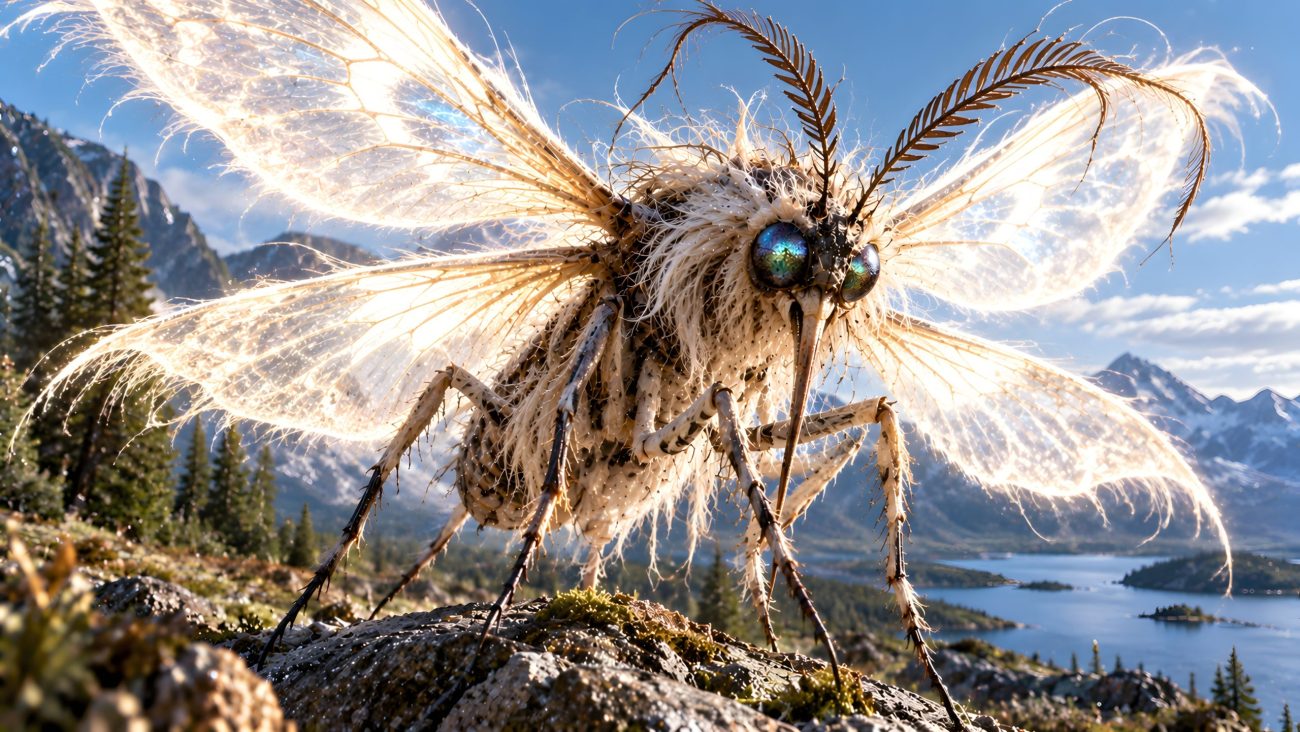
The Wingwak are tiny supernatural insects that bring sleep to human beings. They appear as somniferous flies or butterflies, gathering above people and overwhelming them with drowsiness. A person is typically visited by around five Wingwak, though larger numbers can gather when sleepiness is especially strong. Their presence turns the ordinary experience of feeling tired into the work of invisible spiritual creatures.

According to an Algonquian story, a man who was playing in the sky once fell through a hole and landed on Earth. There he discovered people sleeping, including one man who slept much more deeply than everyone else. The celestial visitor made himself a small bow and arrows and began shooting at the clouds of flies hovering above the unusually heavy sleeper. After he killed some of the Wingwak and drove the others away, the man finally awoke.

The visitor then shared his wisdom with the Algonquians. Among his warnings was a prophecy about the arrival of bearded men who would bring an end to their people. The encounter with the Wingwak thus forms part of a larger story in which a being from the sky intervenes in human affairs, first by freeing a man from overwhelming sleep and then by delivering a warning about the future.

The Wingwak also appear in expressions used to describe sleepiness. Saying that the Wingwak are killing someone means that the person is overwhelmed by the need to sleep, while remarking that there are many Wingwak conveys that everyone has fallen asleep. These expressions reflect the belief that sleep can be understood as the collective work of small supernatural insects gathering around their human victims.


Sources

“Wingoc.” A Book of Creatures, February 4, 2019. https://abookofcreatures.com/2019/02/04/wingoc/