Heathen Maiden

Tradition / Region: Slovenian Mythology
Alternative names: Ajdovska deklica, Pagan Maiden
Category: Nymph


The Myth

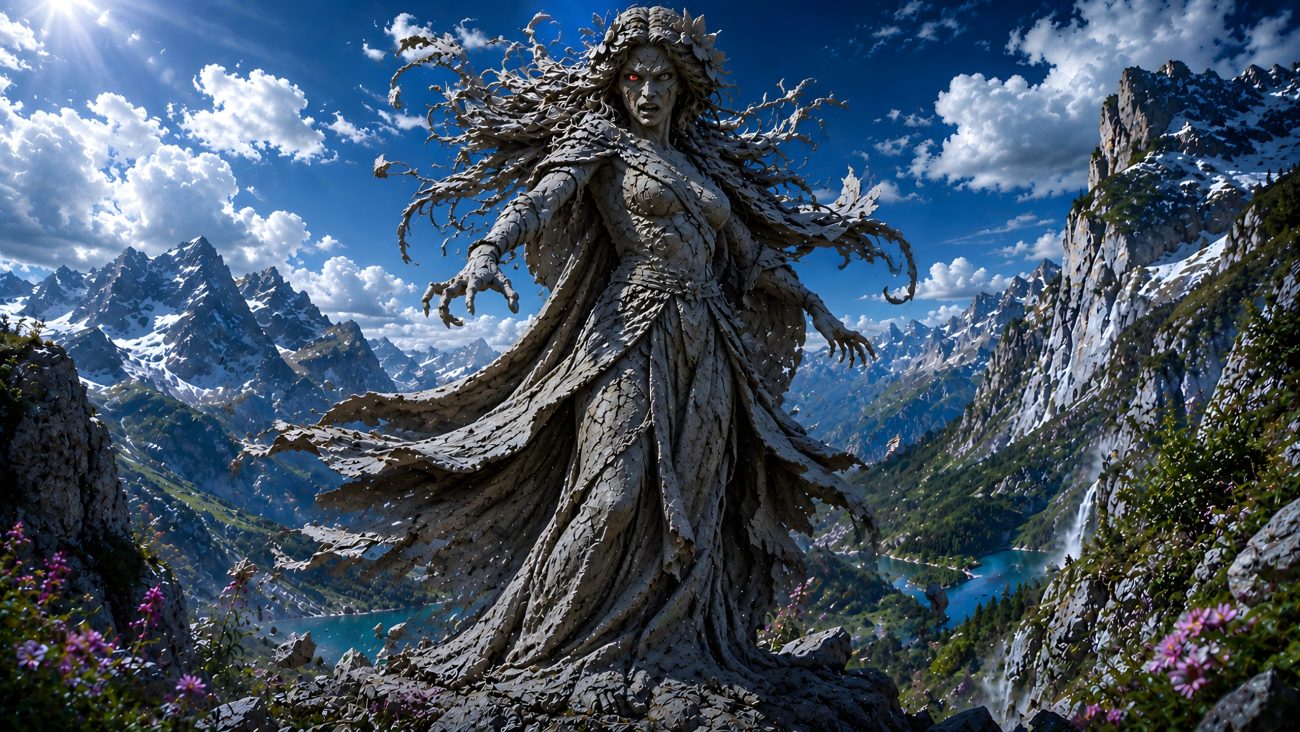
High upon the northern face of Mount Prisojnik in the Julian Alps rests the image of the Heathen Maiden, a giant stone face looking out over the mountains near Kranjska Gora. According to tradition, the face belongs to a mountain nymph who once lived among the peaks.

The nymph possessed the gift of prophecy. One day she foretold that a newborn child would eventually bring about the death of Goldenhorn, the legendary white chamois with golden horns who guarded the treasures of the mountains.

The other mountain nymphs were horrified by her prediction. Angered by what she had revealed, they punished her for speaking of Goldenhorn’s fate.

As punishment, the prophetic maiden was transformed into stone. Her face remained fixed upon the mountain, where it can still be seen gazing over the valleys below.

Thus the Heathen Maiden endures eternally in the cliffs of Mount Prisojnik, a silent reminder of the prophecy that foretold the downfall of Goldenhorn.


Sources

Wikipedia contributors. (n.d.). Heathen Maiden. In Wikipedia. Retrieved June 16, 2026, from https://en.wikipedia.org/wiki/Heathen_Maiden
The Wild Hunt of Gottschee

Tradition / Region: Slovenia (Gottschee / Kočevje)
Alternative names: Bilde Jochd, Bildai Jogkd
Category: Ghost


The Myth

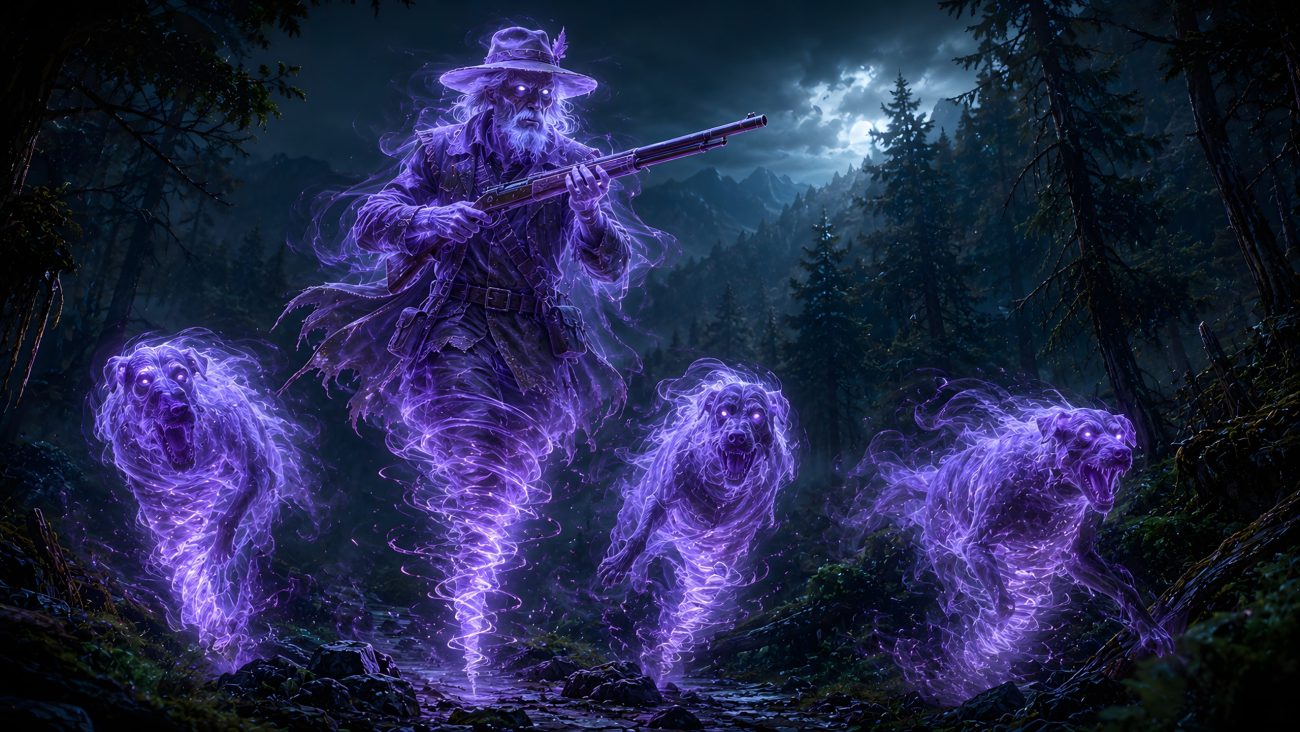
The Wild Hunt of Gottschee is a terrifying phantom procession said to roam the forests and fields during the night. Long before it is seen, people hear its approach: the howling of dogs, the cries of strange animals, and the sound of distant gunfire. Witnesses speak of bears, hares, and foxes fleeing ahead of the hunt, followed by packs of hounds and finally by the ghostly hunters themselves.

The Hunt moves like a whirlwind across the countryside. Those unfortunate enough to stand in its path risk being torn apart or killed. To survive an encounter, people traditionally crossed their hands or lay down inside wagon tracks until the terrible procession had passed.

Stories tell of a man returning home late at night with wine loaded on his horse. His relatives warned him not to travel, but he ignored their advice and set out. Near midnight, villagers later found his horse standing alone, still carrying the wine but missing its tail. Searching the forest, they discovered the man lying dead upon the road, his face blackened and the horse’s severed tail clenched tightly in his hand. It was said that the Wild Hunt had killed him. A cross was later erected at the place where his body was found.

Another tradition explains the nature of the phantom riders. They were once hunters who preferred chasing game to attending Mass and hunted even on Sundays while church services were being held. After death, they were condemned to ride forever through the darkness, accompanied by their hounds and the sounds of the chase.

Crosses were often raised at places where the Wild Hunt was known to pass, and travelers avoided lonely roads at night, fearing the ghostly hunters whose punishment would never end.


Sources

SAGEN.at. (n.d.). Die Wilde Jagd in der Gottschee. In SAGEN.at – Traditionelle Sagen. Retrieved June 16, 2026, from https://www.sagen.at/texte/sagen/slowenien/wildejagd.html


Kulpa Lindworm

Tradition / Region: Slovenia (Kulpa Valley)
Alternative names: Lintwurm
Category: Dragon


The Myth

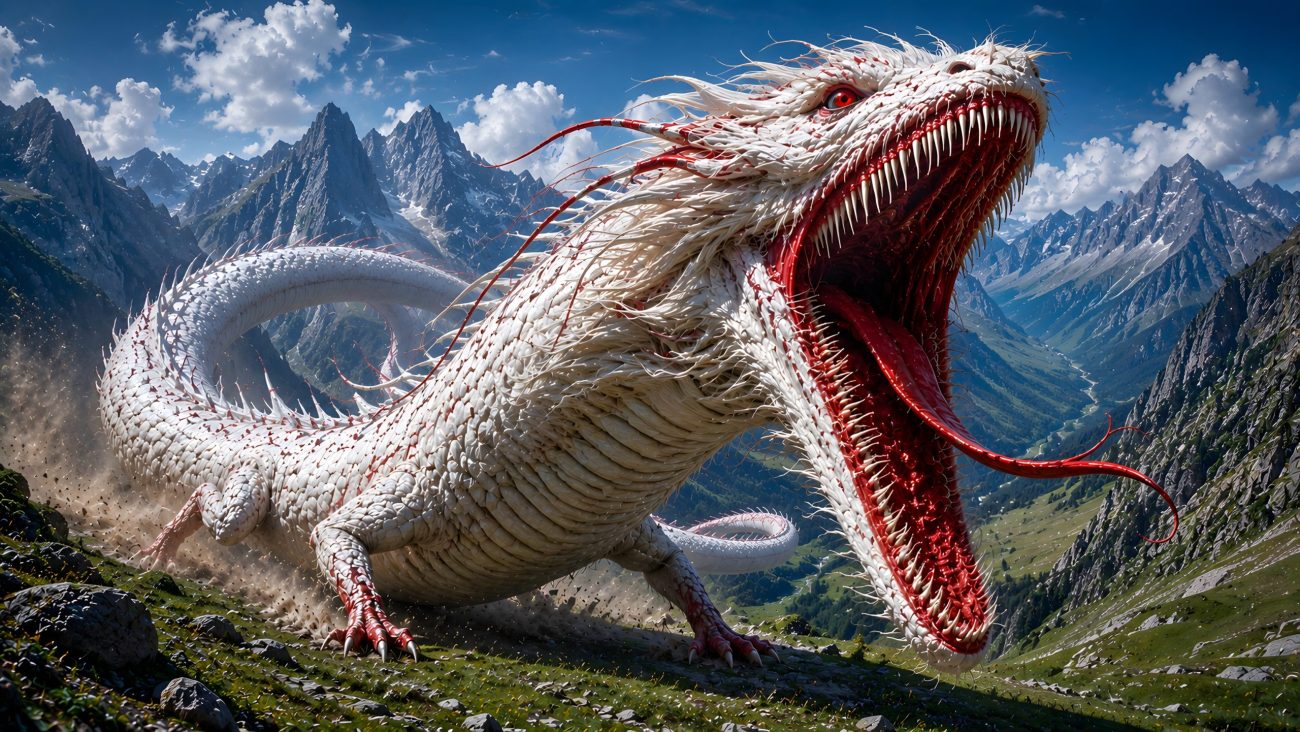
The Kulpa Lindworm was a fearsome dragon that lived in a deep hole in the valley of the Kulpa River. From its lair, the creature brought terror to the surrounding countryside and was blamed for many disasters.

The monstrous serpent preyed upon livestock, devouring sheep and cattle and causing great hardship to the local people. Its hunger grew so terrible that one day it seized a child directly from its cradle and swallowed it.

Unable to endure the creature’s attacks any longer, the people resolved to seek divine protection. They built a church above the entrance to the lindworm’s hole and dedicated it to Saint George, the dragon-slaying saint.

From that time onward, the terrible scourge ceased, and the people of the valley were freed from the fear and destruction caused by the monstrous Lindworm of the Kulpa.


Sources

SAGEN.at. (n.d.). Die Kulpafrau. In SAGEN.at – Traditionelle Sagen. Retrieved June 16, 2026, from https://www.sagen.at/texte/sagen/slowenien/kulpa.html


Zlatorog

Tradition / Region: Slovenian Mythology
Alternative names: Goldenhorn
Category: Sheep


The Myth

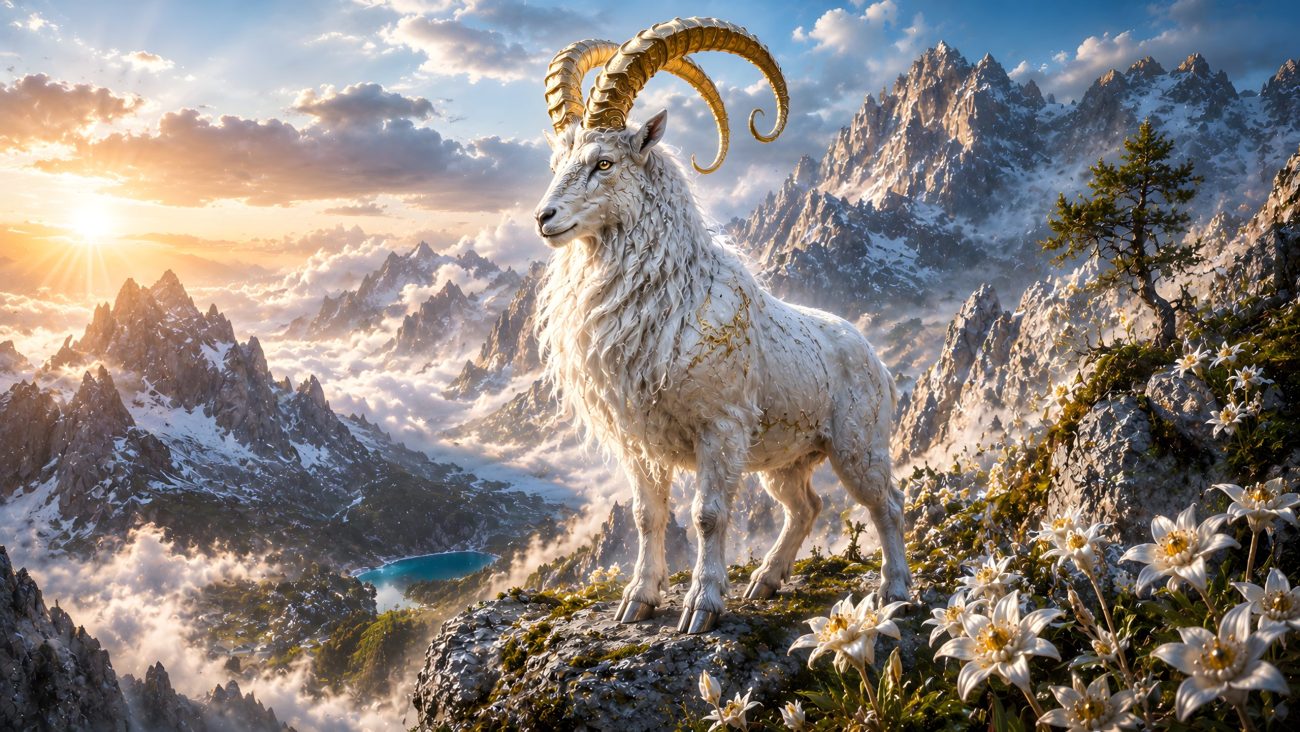
Zlatorog is a legendary white chamois said to have lived high in the Slovenian Alps around Mount Triglav. He was no ordinary mountain animal. His coat was pure white, and upon his head rose magnificent golden horns that shone in the sunlight like metal.

Hidden among the peaks was Zlatorog’s secret mountain garden, a beautiful place filled with magical plants and hidden treasures. The creature guarded these riches and wandered freely across the cliffs and snowy heights where no ordinary hunter could follow.

One day, a greedy hunter decided to steal the treasure for himself. He climbed into the mountains, found Zlatorog, and shot him. As the wounded chamois bled onto the rocks, a miraculous flower sprang from the blood. Zlatorog ate the flower, and its magic healed him completely.

Now enraged, the golden-horned beast attacked the hunter and drove him to his death among the cliffs. Afterward, Zlatorog destroyed the sacred garden and vanished into the mountains forever.

Since then, people say the white chamois with golden horns has never been seen again, though some still believe he wanders the hidden peaks around Triglav, guarding treasures beyond the reach of men.


Sources

Bestiary.us. (n.d.). Zlatorog. Retrieved May 18, 2026, from https://www.bestiary.us/zlatorog/