Hiwai-abere

Tradition / Region: Papua New Guinea Mythology
Alternate Names:
Category: Dwarf, Shapeshifter


The Myth

Hiwai-abere are wicked female beings who resemble women but are marked by grotesque and unsettling features. They are described as very fat, with large heads, swollen bellies, and unusually short legs. Their fingernails are long and sharp like spears, and with these they are able to hunt and kill wild pigs. Wherever they go, they constantly break wind, an action that is both comic and disturbing, and yet they possess extraordinarily sharp hearing, able to detect even a whisper from far away.

Despite their monstrous nature, hiwai-abere are masters of deception. They can disguise themselves perfectly, even taking on the appearance and features of specific human women. Through this ability, they approach men they desire and insert themselves into human society unnoticed. In many folk tales, a hiwai-abere replaces a bride at a wedding or abducts the rightful wife and takes her place in the household.

At first, the husband notices only that something is wrong. His wife seems changed in strange and troubling ways. The hiwai-abere cannot properly perform ordinary women’s work and instead demands to be served. She becomes possessive and jealous, preventing her husband from speaking to or approaching other women. The household falls into disorder, and the husband grows increasingly distressed by the inexplicable transformation of his wife.

Eventually, the deception is uncovered. The hiwai-abere is exposed for what she truly is, often through her inability to maintain human behavior or through the intervention of others. Once revealed, she is driven away, and the rightful wife is restored. The tales always end with the reuniting of the legitimate couple and the removal of the dangerous impostor.

Through these stories, the hiwai-abere stand as symbols of deception, disruption, and the fear of identity being stolen. They embody the danger of false appearances and the belief that what looks human may not always belong to the human world.


Gallery


Sources

Landtman, G. (1970). The Kiwai Papuans of British New Guinea: A nature-born instance of Rousseau’s ideal community.


Interpretive Lenses

Religious Readings
  • Christian Ascetic Deep Dive
Philosophical Readings
  • Nietzschean Deep Dive
Psychological Readings
  • Jungian Deep Dive
Esoteric Deep Dive
  • Hermetic Deep Dive
Political / Social Readings
  • Marxist Deep Dive
Other
  • How to Invite The Hiwai-abere

Wiobadara

Tradition / Region: Papua New Guinea Mythology
Alternate Names:
Category: Snake, Shapeshifter


The Myth

Beneath the ground of Abuara Island lives a being known as Wiobadara.

By day, Wiobadara is seen in the form of a snake, moving unseen beneath the sand. By night, he sometimes emerges in human shape, revealing that his nature is not bound to a single form. His presence is known not by his appearance alone, but by the changes he leaves upon the land.

Wiobadara pushes the sand upward into small hills and ridges. At times, he alters the ground so thoroughly that women searching for crabs can no longer find the holes where they usually dig. Paths become unfamiliar, signs are erased, and the shore no longer responds as it should.

When this happens, the women do not confront him with force. Instead, they place food upon the ground for Wiobadara and speak to him respectfully, asking that he restore the land and allow them to find crabs again.

If properly appeased, Wiobadara relents. The sand settles, the hidden signs return, and the crabs once more reveal themselves. In this way, Wiobadara is understood as a powerful being of the earth—capable of withholding sustenance, but also of granting it when approached with respect.


Gallery


Sources

Landtman, G. (1970). The Kiwai Papuans of British New Guinea: A nature-born instance of Rousseau’s ideal community.


Interpretive Lenses

Religious Readings
  • Christian Ascetic Deep Dive
Philosophical Readings
  • Nietzschean Deep Dive
Psychological Readings
  • Jungian Deep Dive
Esoteric Deep Dive
  • Hermetic Deep Dive
Political / Social Readings
  • Marxist Deep Dive
Other
  • How to Invite The Wiobadara

Tube

Tradition / Region: Papua New Guinea Mythology
Alternate Names:
Category: Lizard, Shapeshifter, Snake


The Myth

At Haemuba lives a being named Tube, one of the etengena—spirits connected to the land and its fertility.

Tube is closely bound to a particular man of the Mawata people. To him, Tube appears in dreams, teaching the knowledge of garden medicines and the proper ways to use them. The man, in turn, shares this knowledge with others, spreading what Tube has revealed.

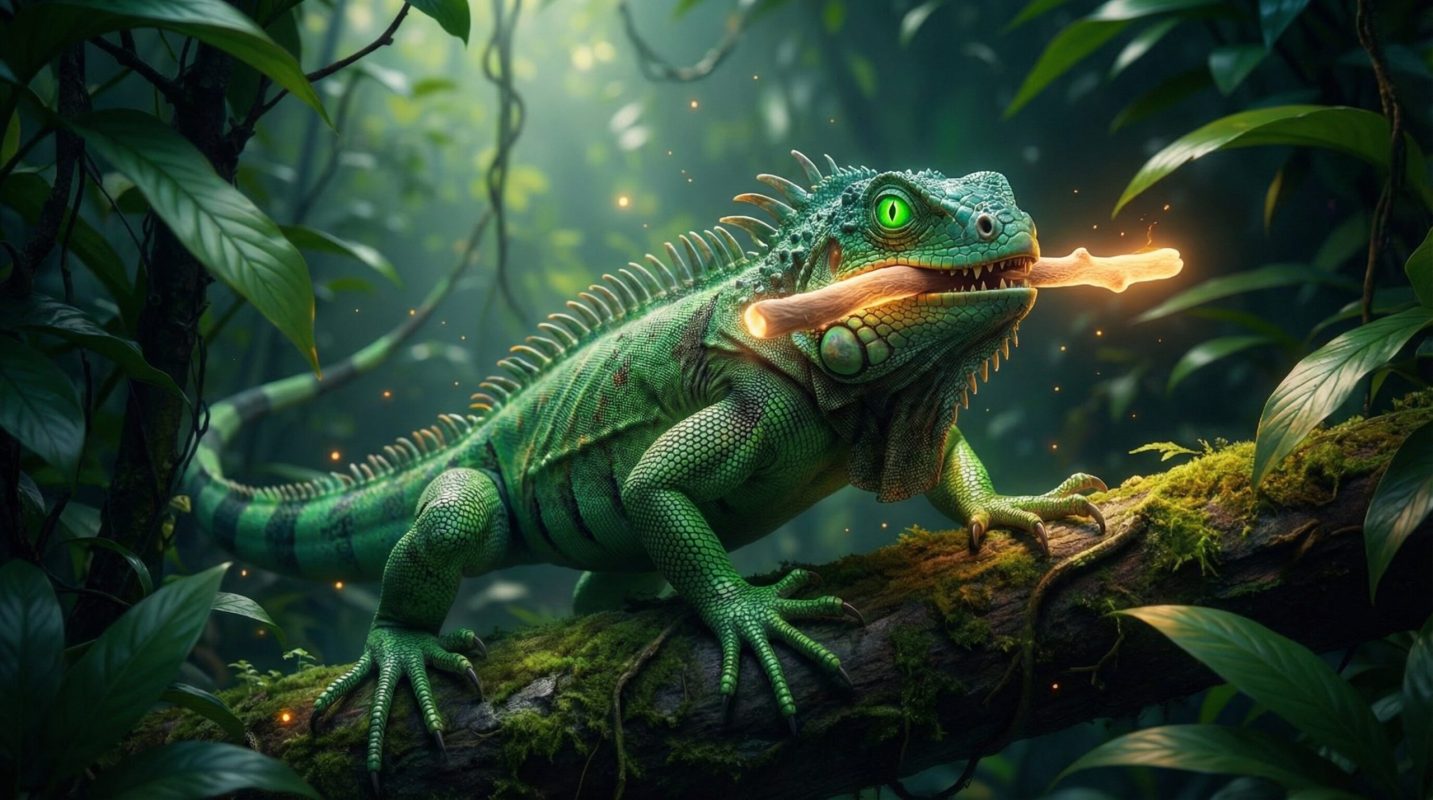
At times, Tube does not remain unseen. He may appear in the garden or the bush in the form of a snake or an iguana. Though his shape is that of an animal, the man recognizes him by signs made with the creature’s head, subtle movements that reveal its true identity.

Once, the man encountered Tube in the bush in the form of an iguana. The animal held a small branch in its mouth—a branch that was itself a medicine. The man gently patted the creature on the head, and by this act received the medicine from Tube.

The bond between them is sealed through sharing. When the first taro is pulled from the ground, it is divided between the man and Tube, acknowledging the spirit’s role in the growth of the garden and honoring the partnership between human and land-being.

Thus Tube remains a quiet teacher and guardian of cultivated ground, passing knowledge through dreams, signs, and shared harvest, and ensuring that the wisdom of the land continues among the people.


Gallery


Sources

Landtman, G. (1970). The Kiwai Papuans of British New Guinea: A nature-born instance of Rousseau’s ideal community.


Interpretive Lenses

Religious Readings
  • Christian Ascetic Deep Dive
Philosophical Readings
  • Nietzschean Deep Dive
Psychological Readings
  • Jungian Deep Dive
Esoteric Deep Dive
  • Hermetic Deep Dive
Political / Social Readings
  • Marxist Deep Dive
Other
  • How to Invite The Tube

Emobali

Tradition / Region: Papua New Guinea Mythology
Alternate Names:
Category: Crocodile, Fish, Shapeshifter


The Myth

Emobali was once a Djibu boy. One day, while hunting, he shot a woman without knowing who she was. When he discovered that he had killed his own mother, grief and terror seized him. Unable to live with what he had done, Emobali went to the Binatui River at Mude and threw himself into the water.

At the place where he entered the river, a deep hollow was formed close to the bank. This deep spot is said to exist because of Emobali’s leap, and it remains as a sign of his death.

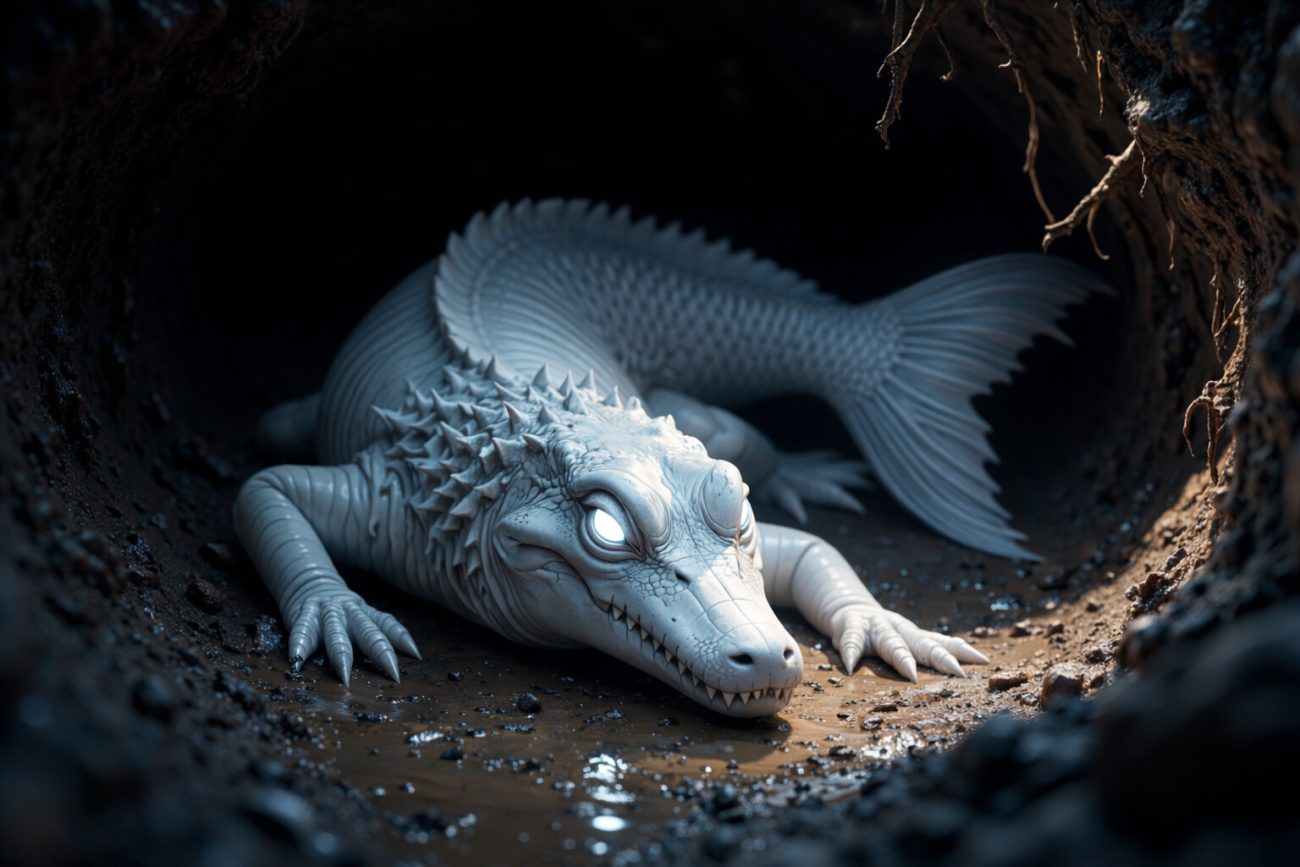
Afterward, Emobali became a spirit of the river. In the water, he appears in the form of a crocodile or a fish, moving silently beneath the surface. Yet Emobali does not only haunt the river. He also comes to people in dreams. When Djibu people sleep naked, Emobali may appear to them and instruct them, teaching medicines and giving knowledge useful for hunting and gardening.

In these dreams, he does not appear as an animal, but in his human form, as the boy he once was.

Thus Emobali lives on as a crocodile–fish spirit of the river, born from an act of tragic ignorance, dwelling in water and dreams alike, feared and respected as both a reminder of guilt and a giver of hidden knowledge.


Gallery


Sources

Landtman, G. (1970). The Kiwai Papuans of British New Guinea; a nature-born instance of Rousseau’s ideal community. New York: Johnson Reprint Corp., p. 302.


Interpretive Lenses

Religious Readings
  • Christian Ascetic Deep Dive
Philosophical Readings
  • Nietzschean Deep Dive
Psychological Readings
  • Jungian Deep Dive
Esoteric Deep Dive
  • Hermetic Deep Dive
Political / Social Readings
  • Marxist Deep Dive
Other
  • How to Invite The Emobali