Badnjak

Tradition / Region: Bosnian Mythology, Croatian Mythology, Montenegrin Mythology, Serbian Mythology
Alternate Names: Badњak
Category: Flame


The Myth

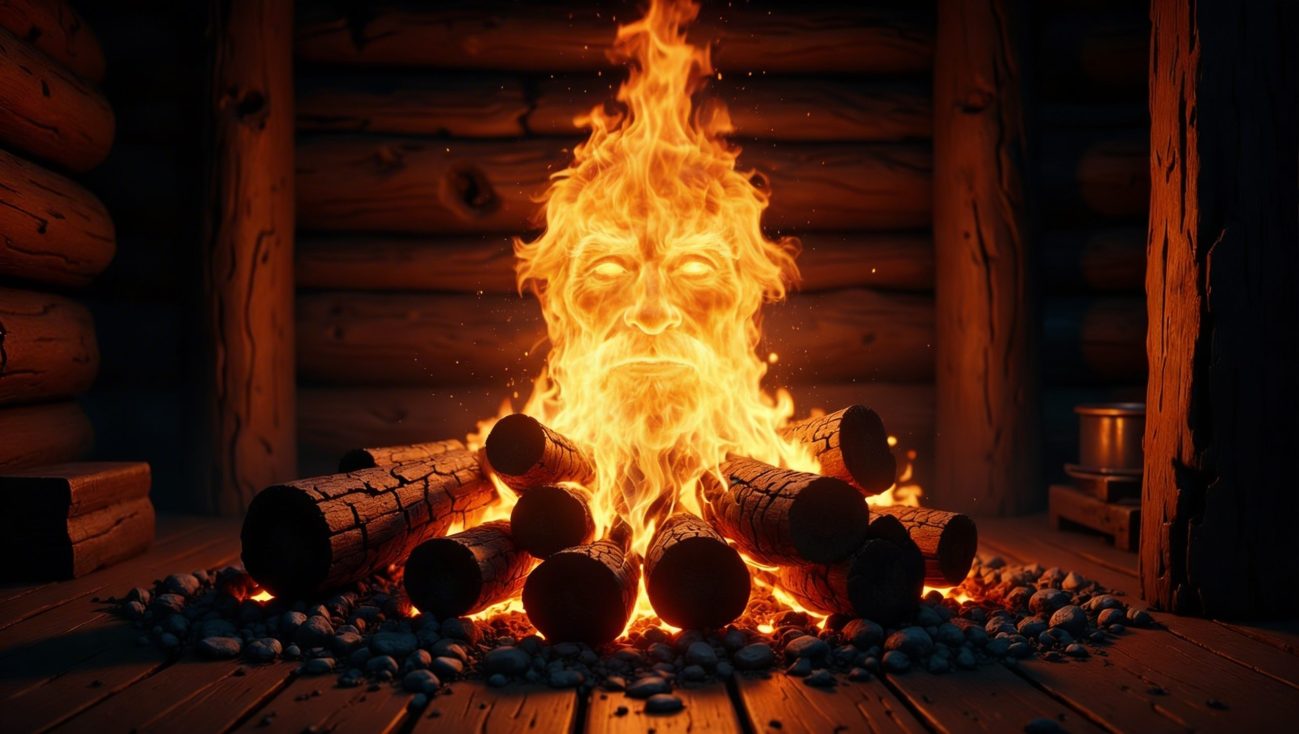
Badnjak is a spirit known among the Southern Slavs, closely associated with Christmas Eve. It is believed to appear either in the form of a bearded old man or embodied within a log prepared for ritual burning.

On Christmas Eve, a special log—also called the badnjak—is brought into the home and placed on the fire. This log is not considered ordinary wood, but the dwelling place or manifestation of the Badnjak spirit itself. As the log burns, it is believed to bring warmth, protection, fertility, and prosperity to the household for the coming year.

In some traditions, the Badnjak is imagined as an elderly, bearded figure who visits the home symbolically through the fire. The crackling, sparks, and glow of the burning log are taken as signs of the spirit’s presence and favor.

Through this ritual, Badnjak remains a liminal being—both spirit and object—bridging the human household and the sacred time of midwinter, appearing each year with the lighting of the Christmas Eve fire.

Błędne ogniki

Tradition / Region: Polish Mythology
Alternate Names: —
Category: Flame


The Myth

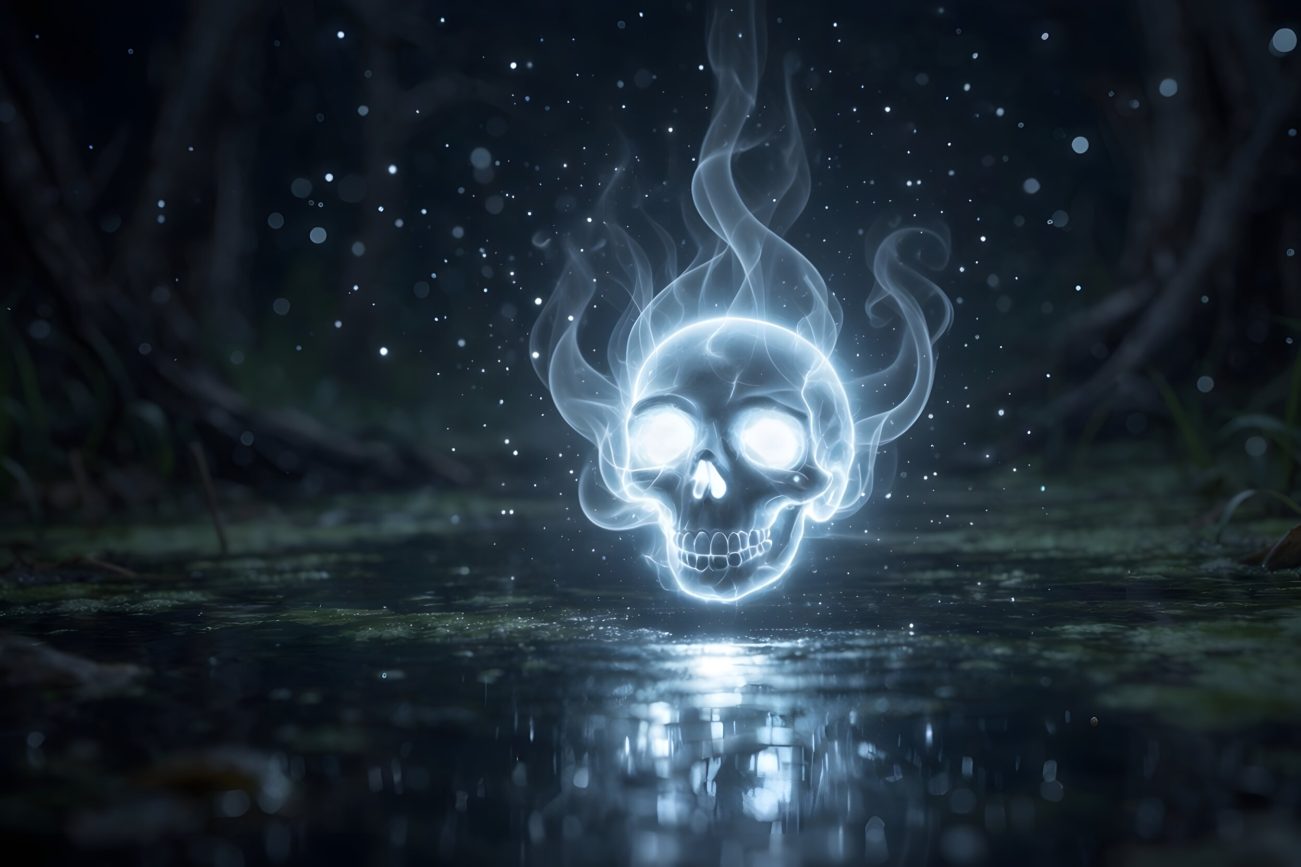
In marshes, swamps, and peat bogs, people spoke of small lights that appeared at night, hovering just above the wet ground. These wandering flames were known as Błędne ogniki. They flickered softly, drifting without clear purpose, and were most often seen where the land was treacherous and paths were uncertain.

According to Polish and wider Slavic belief, Błędne ogniki were the souls of the dead. They were commonly said to be the spirits of wicked or dishonest people, especially unjust landowners and fraudulent surveyors who had cheated others during their lives. After death, they were condemned to wander endlessly, glowing faintly as a sign of their unrest and repentance.

The lights were feared by travelers. It was said that Błędne ogniki could lead people astray, drawing them off safe paths and deeper into bogs where they might become lost or perish. To follow the lights was dangerous, and their appearance was usually taken as a bad omen.

In some regions, however, the lights were also linked to hidden treasures buried beneath the earth. In these tales, the glow was believed to come from the lanterns of underground beings guarding their riches. Even so, such encounters were risky, for those who chased the promise of wealth often met misfortune instead.

Thus Błędne ogniki were remembered as restless lights of the night — spirits bound to the land, warning travelers that not every guiding flame leads to safety.