Tradition / Region: Brazilian Mythology
Alternate Names: Anhanga, Anhan, Agnan, Kaagere
Category: Deer
The Myth
Anhangá is a feared spirit known among many Indigenous peoples of Brazil. It is said to torment both the living and the dead, appearing in nature through sudden, violent sounds such as storms, tempests, and unexplained noises. The presence of Anhangá brings fear, confusion, illness, and suffering.
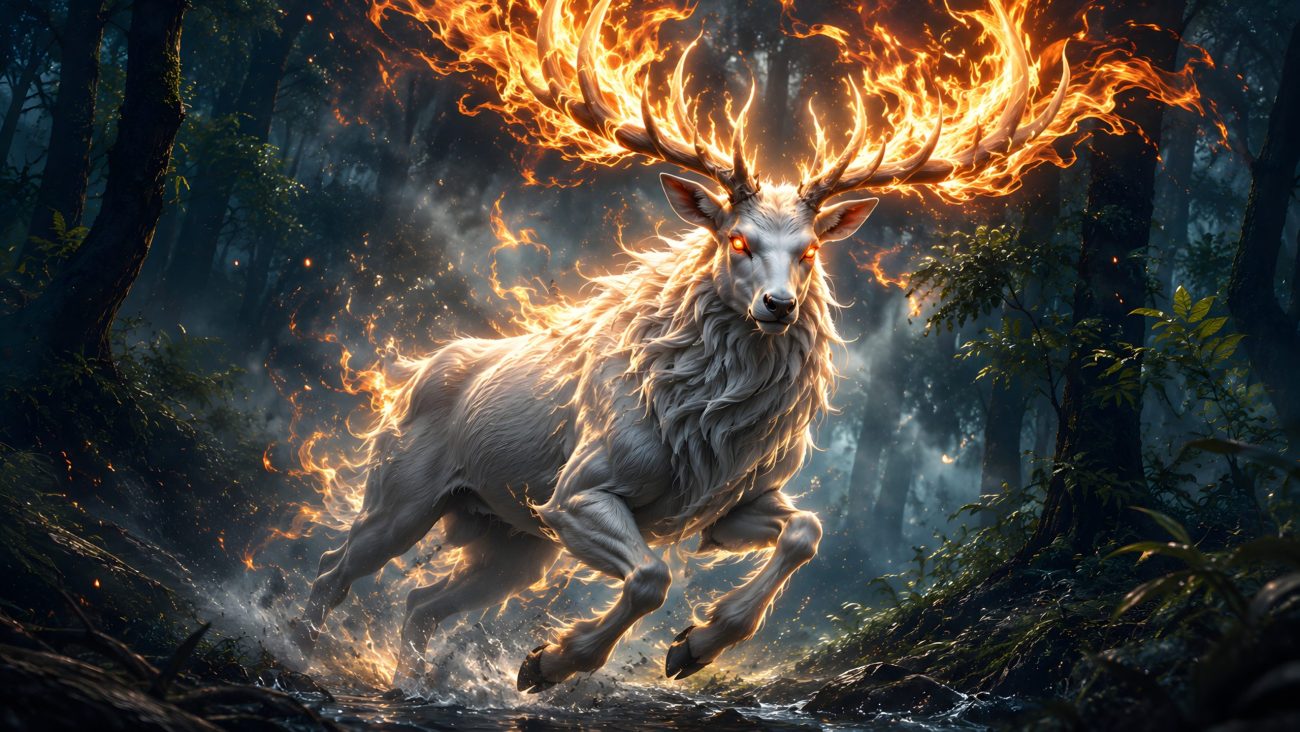
Most often, Anhangá appears in the form of a deer. Hunters describe seeing a white or red deer with burning, fiery eyes, sometimes with antlers covered in hair. This deer is not an ordinary animal but a spirit that guards wildlife. It watches over animals in open fields and forests and punishes hunters who hunt abusively, especially those who pursue females with young.
When Anhangá intervenes in a hunt, it brings fever, madness, and confusion. A hunter may lose his sense of direction, mistake one being for another, or act against his own family without realizing it. In one well-known story, a hunter chased a doe and her nursing fawn. He seized the fawn to draw the mother closer and fired his weapon. Only afterward did he discover that Anhangá had deceived him, and that he had killed his own mother, mistaking her for the animal.
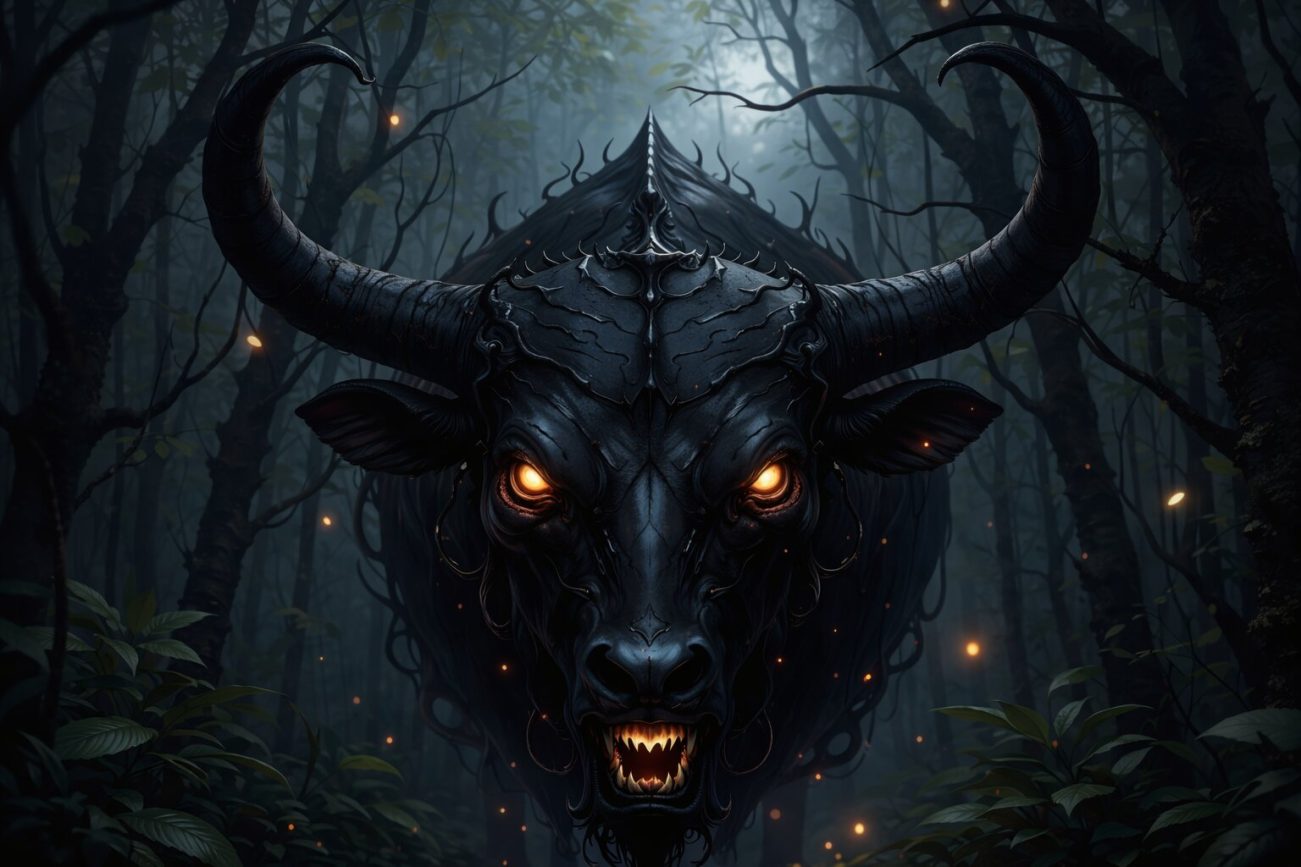
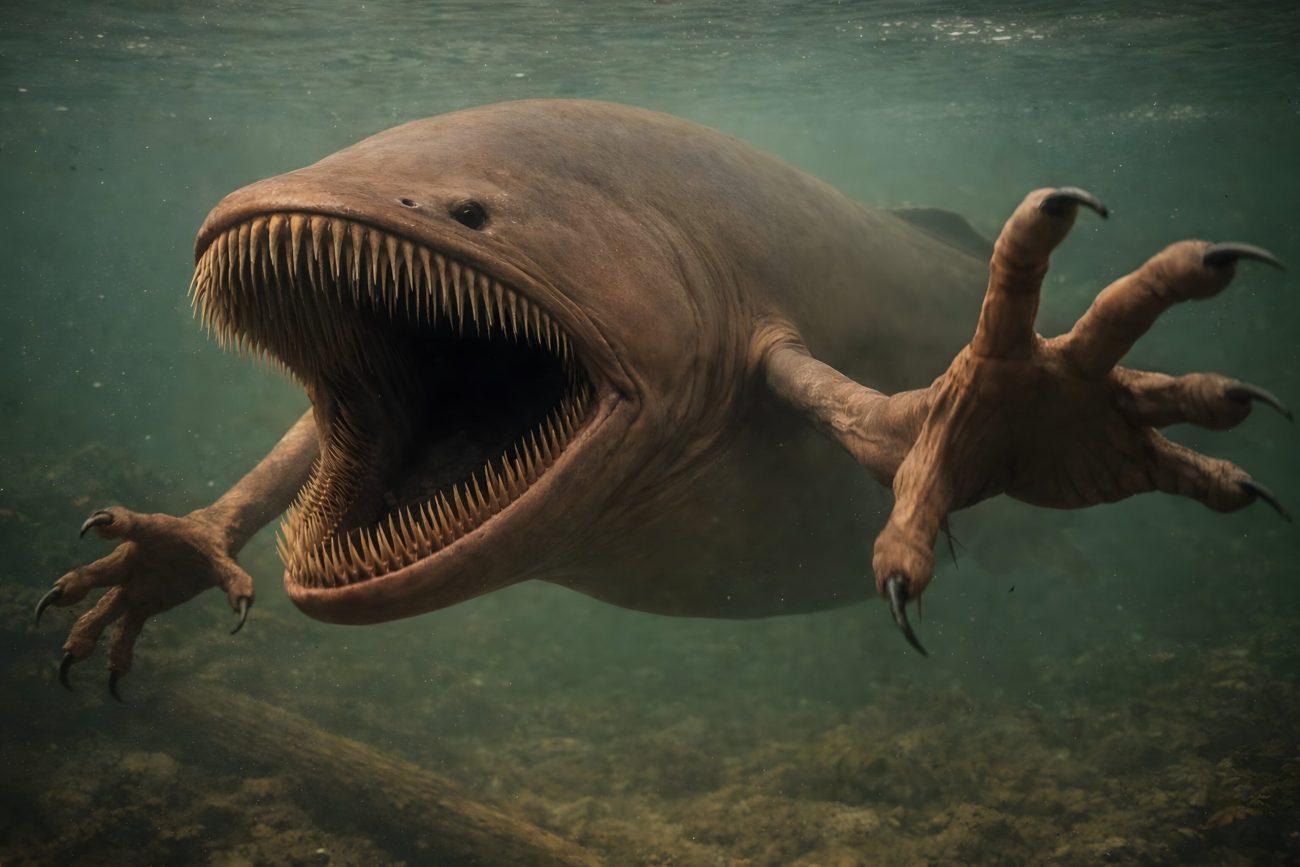
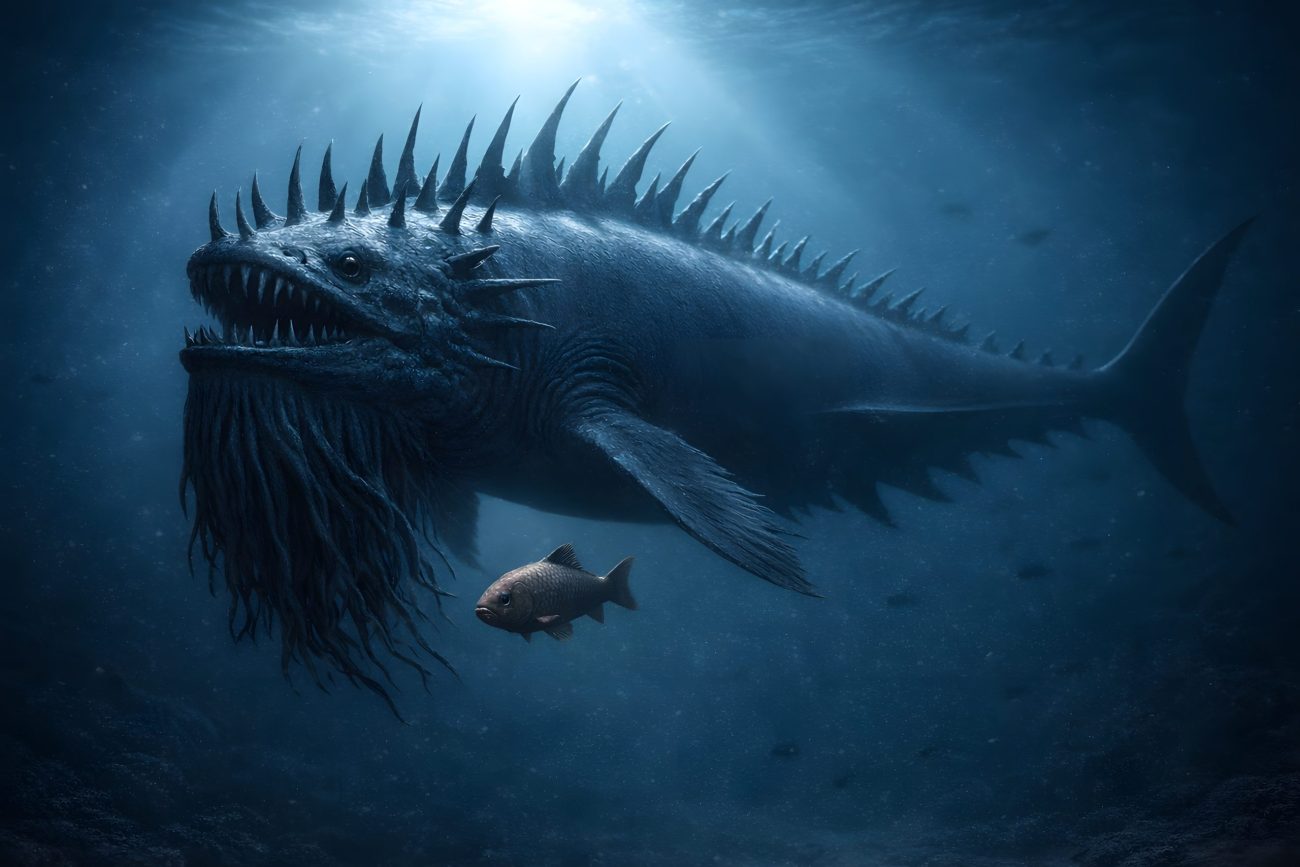
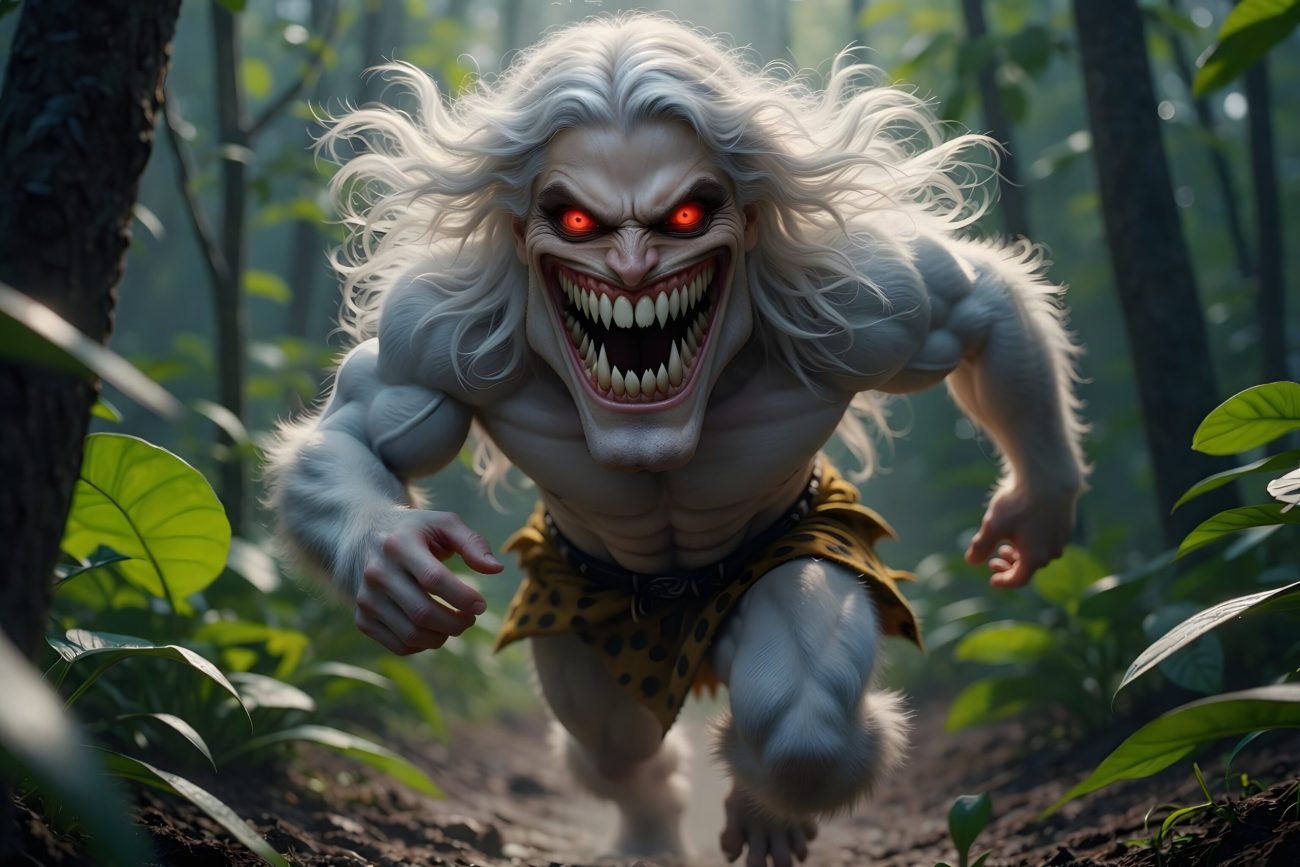
Anhangá does not appear only as a deer. It is said to take many forms in order to deceive and afflict people. It may appear as birds, mammals, fish, reptiles, or strange hybrid beings. These forms include an armadillo, a pirarucu fish, a turtle, oxen, birds such as the tinamou, and human-like figures. Because of this, hunters and travelers are taught never to trust appearances in the wilderness.
The spirit is also believed to torment the souls of the dead. During funerary rituals, people feared that Anhangá would seize the soul on its journey to the Land Without Evils, a blessed place where virtuous souls were meant to go. To protect the dead, food offerings were placed near the burial site so that Anhangá would consume the offerings instead of the soul. Fires were kept burning to warm and protect the deceased and to keep Anhangá at a distance. The living encouraged the dead to keep their fires from going out.
It was believed that only the most virtuous souls — those who had defended their people and killed many enemies — reached the high mountain of the Land Without Evils. Those who failed in this were said to fall under the power of Anhangá, becoming tormented spirits themselves.
Anhangá was also feared during travel, especially over water. Storms and violent sounds were sometimes believed to be caused by the spirits of the dead associated with Anhangá. Among some groups, Anhangá was said to follow or serve Jurupari, and together they were feared as dangerous spirits capable of possession, kidnapping, and death.
Because Anhangá could change form at will, it was impossible to know when it was near. Its presence was marked by fear, illness, illusion, and the sudden reversal of fortune. Hunters, mourners, and travelers all treated the wilderness with caution, knowing that Anhangá might be watching, waiting to punish disrespect, cruelty, or weakness.
Source
Wikipedia contributors. (n.d.). Anhangá. In Wikipedia, The Free Encyclopedia, from https://en.wikipedia.org/wiki/Anhang%C3%A1