El Tata Duende

Tradition: Belizean Mythology
Alternative Names: Tata Duende, Duenditos
Category: Goblin


The Myth

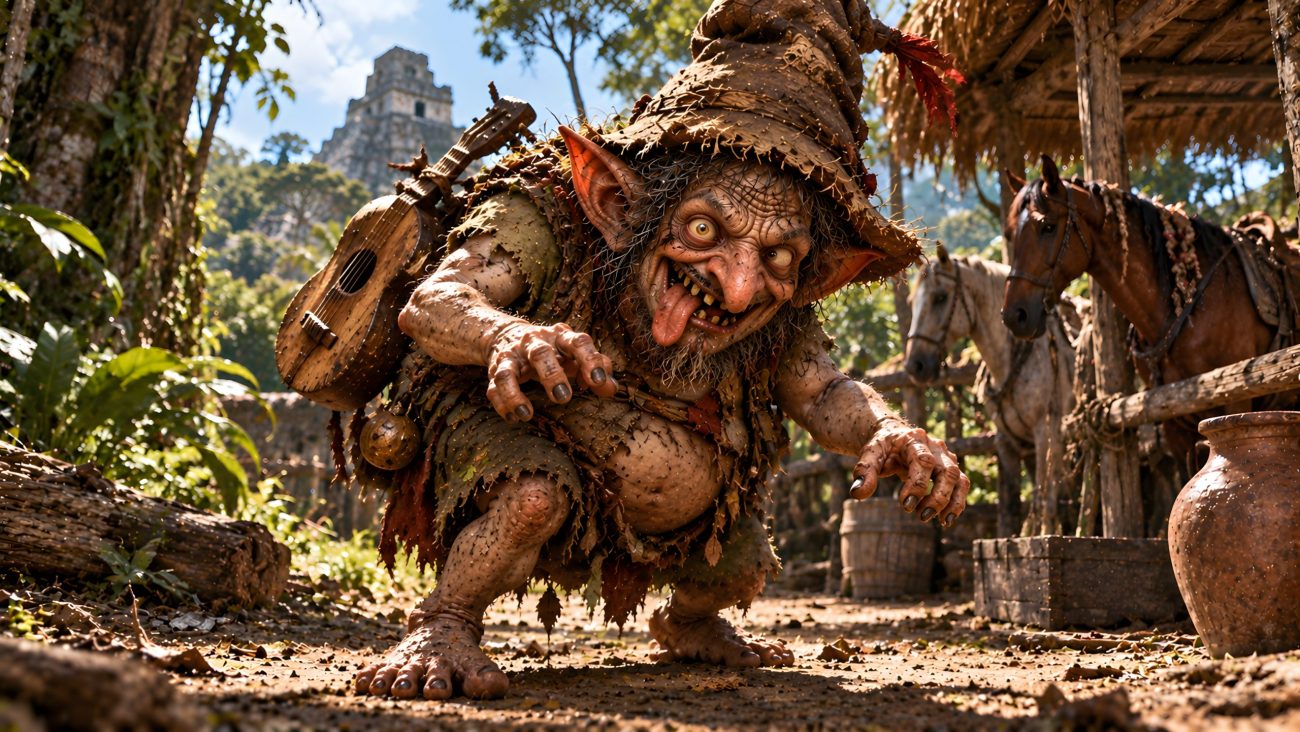
El Tata Duende, whose name means “Grandfather Demon,” is a sinister goblin-like being in the folklore of Belize, particularly among the Maya inhabitants of the region. He is associated with the forests and is feared for luring children away from safety and stealing them. According to local stories, children are warned never to play marbles at night, as doing so may attract the creature. Once he captures a child, he is said to take their thumbs, leaving behind a disturbing reminder of their encounter with the forest spirit.

El Tata Duende belongs to a wider tradition of duendes, goblin-like beings found in the folklore of Iberia, Latin America, and the Philippines. These creatures are often associated with forests and may be benevolent or malicious depending on the tradition. Duenditos, the smaller and generally less threatening relatives of El Tata Duende, are sometimes said to help lost travelers find their way home. In some Mexican tales, they inhabit the walls of houses and attempt to trim the toenails of untidy children, sometimes accidentally clipping off an entire toe. El Tata Duende, by contrast, is a more dangerous figure whose mischief can have serious consequences.

Despite his frightening reputation, El Tata Duende is also known for his love of music and horses. He is said to play the guitar and ride horses throughout the night, leaving their manes braided after his nocturnal adventures. The commotion caused by his rides can trouble local inhabitants, particularly those whose horses he takes for his nighttime journeys.

According to folklore, El Tata Duende can be tricked because he is neither invincible nor particularly clever. Children may escape him by bending their thumbs behind their palms and showing him their hands. Mistaking them for smaller members of his own kind, he may let them go. Another reported method of driving him away involves leaving a guitar, a bottle of rum, and a mirror near a stable. The creature is expected to play the instrument and drink the rum before looking into the mirror and frightening himself away permanently. These tales portray El Tata Duende as both a dangerous predator and a foolish trickster whose weaknesses can be exploited by those who know how to outwit him.


Sources

“Belize Folklore: Finados.” Chaa Creek Belize Travel Blog, November 2016. https://belize-travel-blog.chaacreek.com/2016/11/belize-folklore-finados/#duenditos-and-el-tata-duende

Lang Bobi Suzi

Tradition: Belize Mythology
Alternative Names: Long Bobi Suzi
Category: Giant


The Myth

Lang Bobi Suzi is a female monster from the Kriol folklore of Belize, known for punishing disobedient children. She is described as having enormous breasts, which she uses as a weapon to whip children who refuse to obey her commands.

The legend presents Lang Bobi Suzi as a frightening figure used to discipline naughty children. Her monstrous appearance and unusual method of punishment make her a distinctive character in Belizean Kriol folklore.


Sources

“Lang Bòbi Súwè.” Wikipedia: The Free Encyclopedia. Wikimedia Foundation. Accessed October 16, 2026. https://en.wikipedia.org/wiki/Lang_Bobi_Suzi


Alux

Tradition / Region: Maya mythology, Belize Mythology, Guatemala Mythology
Alternative names: Aluxo’ob, Chanekeh, Chaneque, Duende
Category: Cave dweller


The Myth

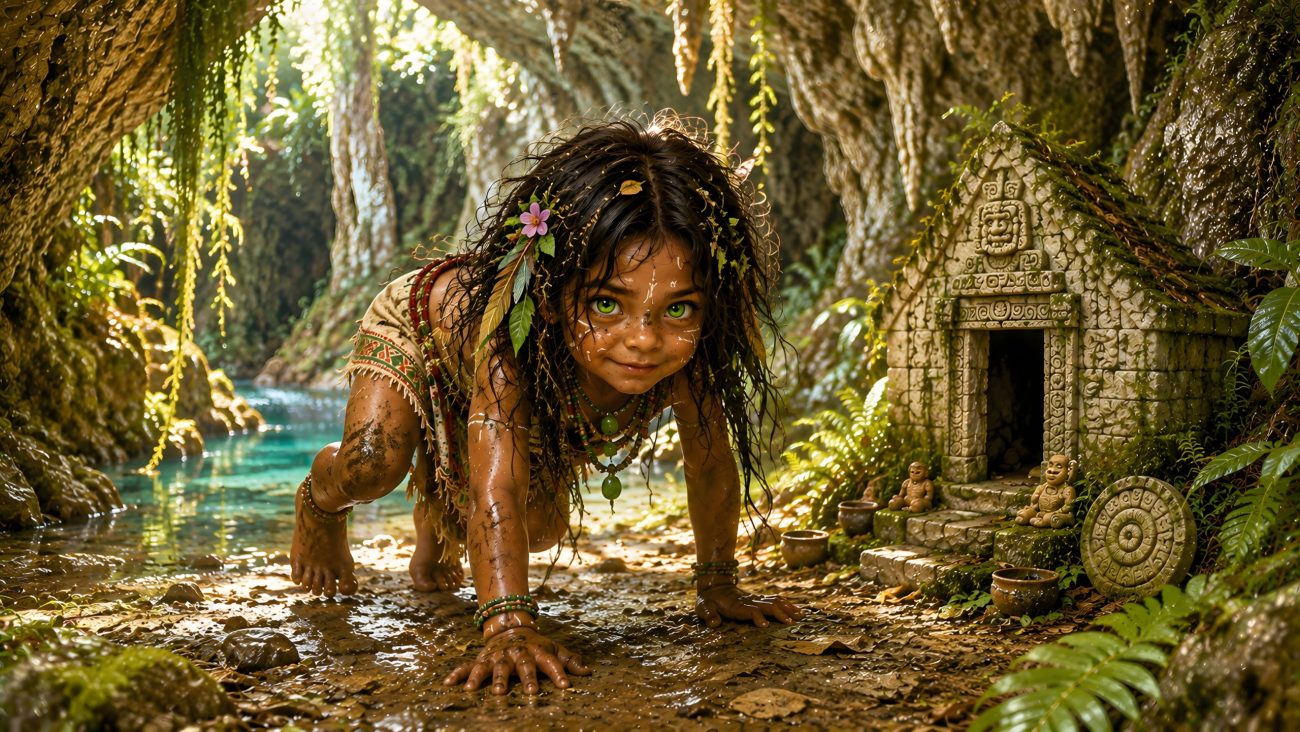
The Alux is a small spirit about knee-high that resembles a miniature Maya person dressed in traditional clothing. Although usually invisible, it can take physical form to communicate with or frighten humans. Aluxo’ob are associated with forests, caves, stones, and cultivated fields, and according to Maya tradition were created by the ancient gods from mud, leaves, and divine breath.

Farmers traditionally build a small house in their maize fields to summon an Alux. For seven years the spirit protects the crops by helping the corn grow, bringing rain, and guarding the fields at night, whistling to scare away animals and thieves. After the seven years have passed, the farmer must seal the little house by closing its doors and windows. If this is not done, the Alux escapes and begins playing mischievous tricks on people.

Aluxo’ob sometimes stop travelers or farmers to ask for offerings. Those who refuse may suffer misfortune, illness, or other disturbances, while those who show respect are rewarded with protection, good fortune, and help against thieves. Despite their helpful nature, they are also known for mischievous acts such as extinguishing fires or throwing household objects into yards.

Many people believe it is unwise to speak an Alux’s name aloud, as doing so may summon one. Even today, some construction companies in the Yucatán perform ceremonies before beginning work to avoid offending these spirits. Contemporary Maya also regard many small shrines found throughout the countryside as the houses of the Alux.


Sources

“Alux.” Wikipedia: The Free Encyclopedia. Wikimedia Foundation. Accessed July 28, 2026. https://en.wikipedia.org/wiki/Alux


Grey Lady of St. George’s Caye

Tradition / Region: Belize Mythology
Alternative names: The Grey Lady Ghost
Category: Ghost


The Myth

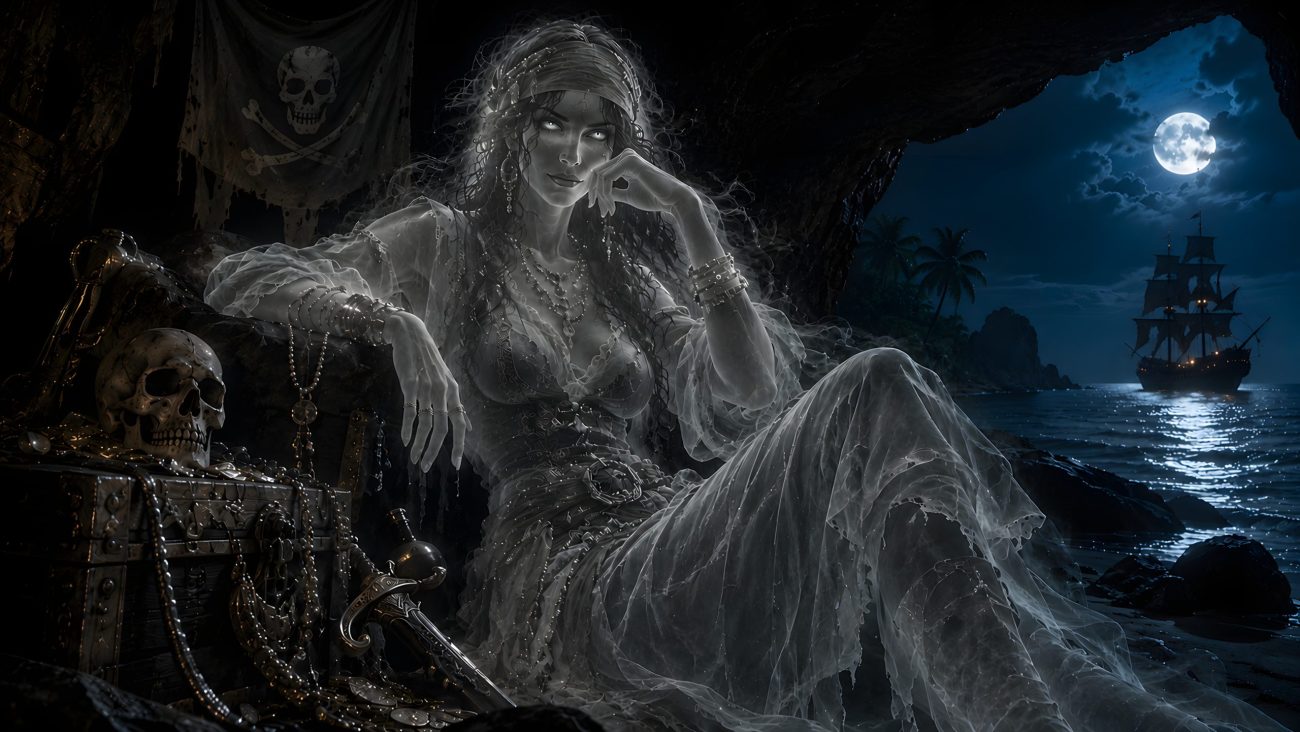
The Grey Lady is one of the most famous ghosts of Belize and is said to haunt St. George’s Caye. Clad in grey and often appearing near the sea or during stormy weather, she wanders the island searching for something lost in life.

Several traditions tell of her origin. One story claims she was the lover of the notorious Captain Morgan, cast overboard and forced to walk the plank. Unable to rest, she still roams the island and coastline searching for her lost beloved.

Another version describes her as a headless woman whose husband disappeared during a violent storm at sea. Night after night, she wanders St. George’s Caye in search of the sailor who never returned.

Others speak of a young girl who perished during a devastating hurricane. Her spirit remains on the island, appearing as a sorrowful figure dressed in grey. Unlike some versions of the ghost, this young apparition is considered harmless and gentle.

The Grey Lady is most often encountered during stormy nights. Islanders traditionally advise people never to speak badly of her and to remain indoors when the weather turns violent, for some manifestations of the Grey Lady are believed to be far less friendly than others.

Stories of the Grey Lady have circulated for generations, and archaeological investigations on St. George’s Caye have uncovered evidence suggesting that real tragedies lie behind the legends. Whether she is a betrayed lover, a grieving wife, or the spirit of a lost child, the Grey Lady remains one of Belize’s most enduring and mysterious ghosts, forever wandering the shores of St. George’s Caye beneath the sound of wind and waves.


Sources

Belize Dive Haven. (2024, January 31). Legends and Folklore of Belize. Retrieved June 20, 2026, from https://belizedivehaven.com/legends-and-folklore-of-belize/


Xunantunich

Tradition / Region: Belize Mythology
Alternate Names: Stone Woman
Category: Ghost


The Myth

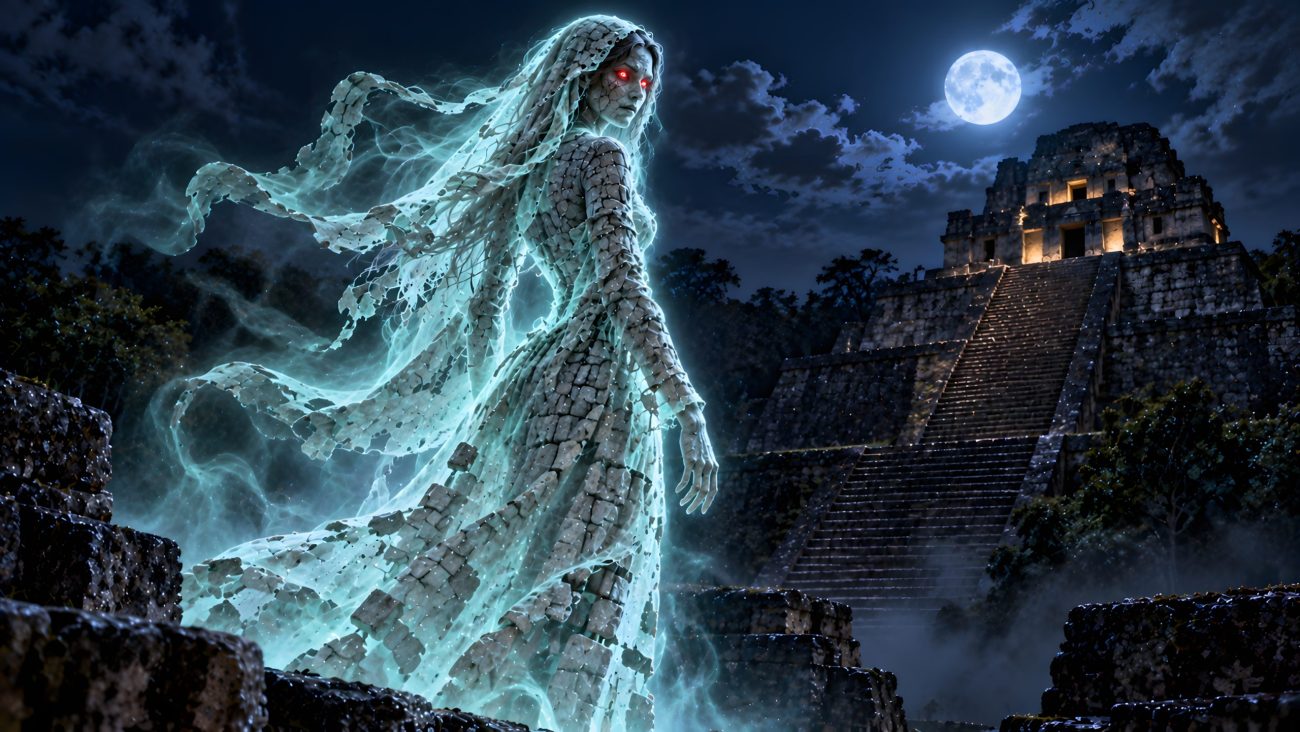
The Stone Woman is a ghost said to haunt the ancient Maya site of Xunantunich in Belize. She appears as a woman dressed entirely in white, with fiery red eyes that glow against her pale clothing. Her presence is most often reported near El Castillo, the great stone structure at the site. She approaches the building, climbs its steep staircase, and disappears into a wall near the top, vanishing as mysteriously as she appeared.

The ghost’s name, Stone Woman, comes from this haunting legend. Rather than remaining hidden among the ruins, she appears openly before witnesses before ascending the ancient temple. Her sudden disappearance into solid stone makes her a particularly unsettling presence among the ruins of Xunantunich.


Sources

Belize Travel Blog contributors. (2016, November). Belize Folklore Legends – Finados Edition. In Belize Travel Blog, from https://belize-travel-blog.chaacreek.com/2016/11/belize-folklore-finados/