Čuma

Tradition: Serbian Mythology
Alternative Names: Kuga, Kuma, Teta
Category: House dweller


The Myth

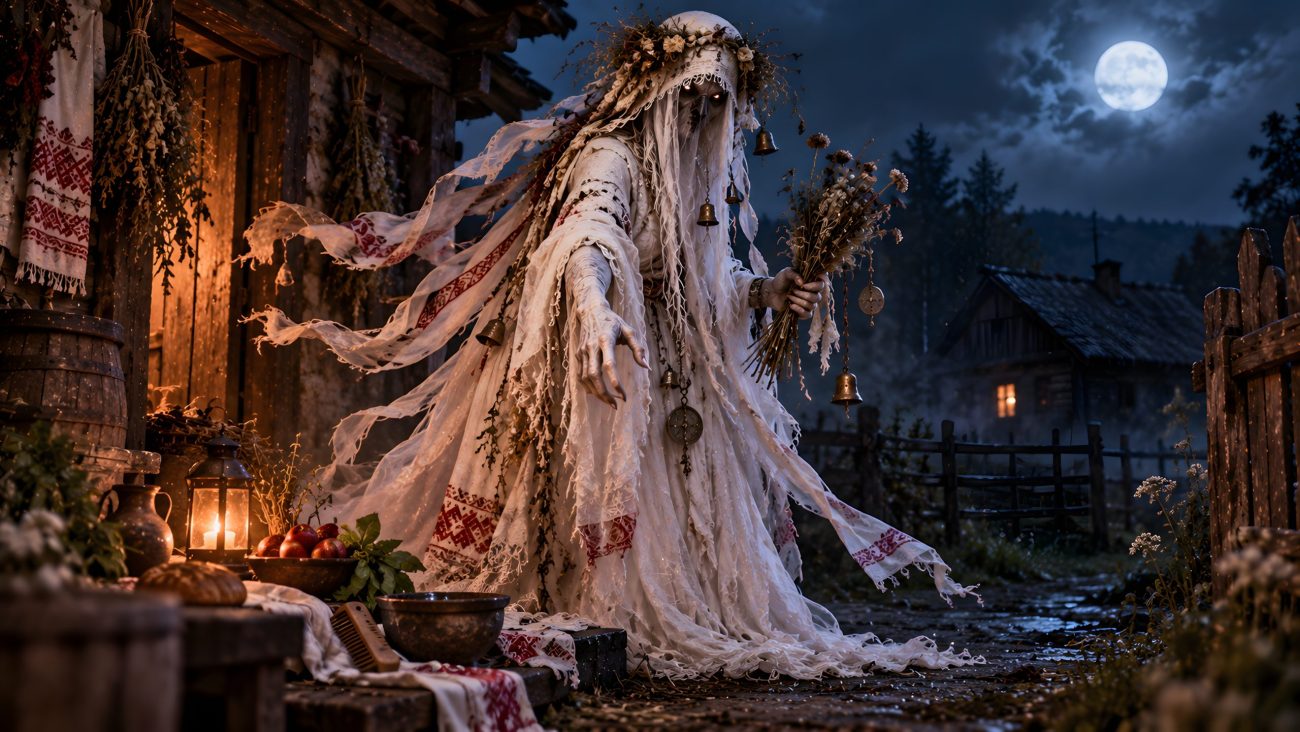
Čuma is the personification of plague in Serbian mythology, imagined as an old woman dressed in white, although she is occasionally described as young. Her appearance gives human form to a deadly disease, transforming an invisible threat into a supernatural figure capable of travelling between communities and bringing illness to their inhabitants.

Čumas were believed to live in a distant land from which they set out to infect people. Their arrival threatened entire households and communities, making the spirit a figure of fear during outbreaks of plague. Because people avoided mentioning Čuma by her name, they used euphemisms such as kuma, meaning godmother, and teta, meaning aunt. These alternative names allowed people to refer to the dangerous being without directly invoking her name.

Despite her destructive role, Čuma was believed to follow particular preferences. She hated dirtiness and was especially eager to infect unclean houses. When plague appeared nearby, people therefore believed that every household and its inhabitants had to be thoroughly cleaned. This custom had a practical benefit, as improved cleanliness could help reduce the spread of disease.

People could also make offerings to Čuma in an attempt to appease her. These offerings included food, clean water, basil, and a comb. Such gifts reflected the belief that the plague spirit could be approached through acts of respect and ritual care, even though her arrival brought potentially devastating consequences.

Čuma represents the personification of a feared epidemic in Serbian traditional belief. Her white clothing and human appearance gave plague a recognizable supernatural identity, while the customs surrounding her reveal attempts to understand and manage the threat of disease. The emphasis on cleanliness also demonstrates how folklore could encourage practices that had practical value, even when those practices were explained through beliefs about supernatural beings.


Sources

“Čuma.” Wikipedia: The Free Encyclopedia. Wikimedia Foundation. Accessed October 18, 2026. https://en.wikipedia.org/wiki/%C4%8Cuma

Stopan

Tradition: Serbian Mythology, Bulgarian Mythology
Alternative Names: Zmija Čuvarkuća
Category: House dweller


The Myth

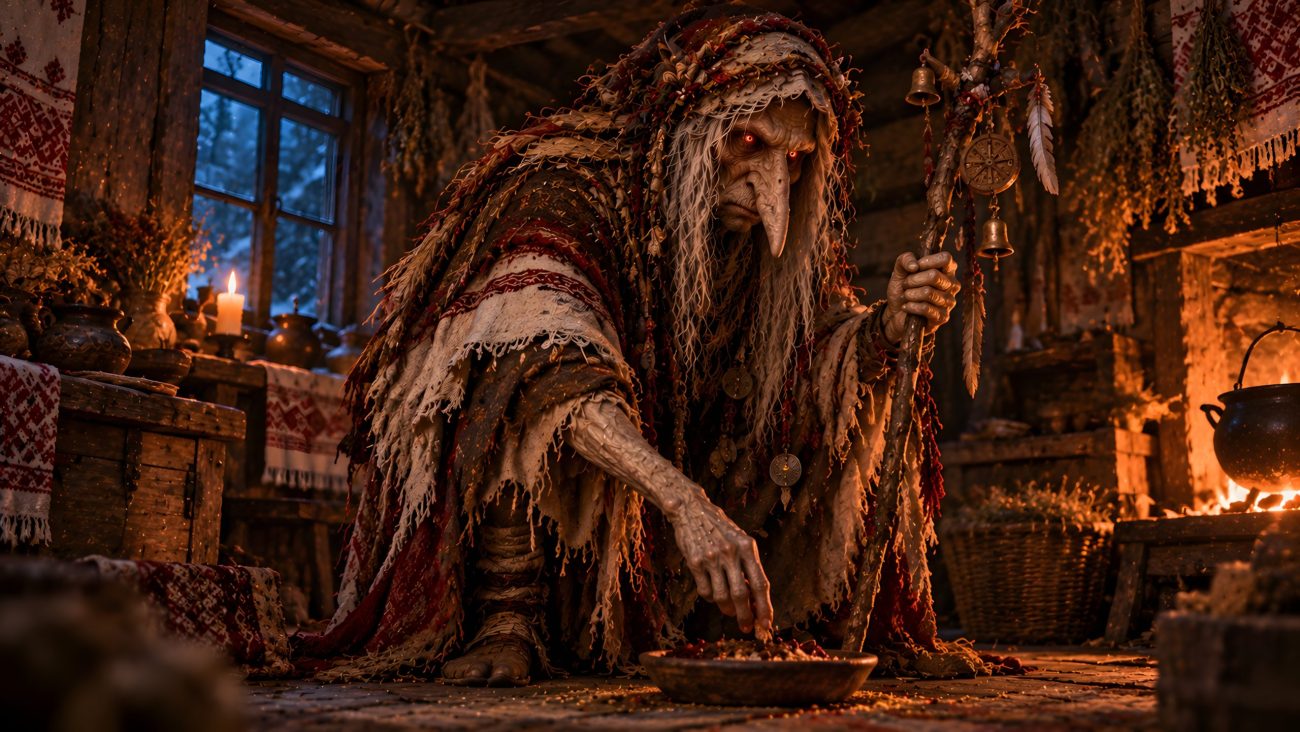
The Stopan is a protective household spirit in South Slavic beliefs, regarded as the spirit of a distinguished ancestor who watches over the family home. Considered the household’s host, it safeguards the dwelling and maintains its connection to the family’s ancestral past. Its protection, however, depends on receiving proper respect from the people who live there.

When the household neglects or disrespects the Stopan, the spirit can become irritated and turn against its inhabitants. It makes noises at night and sends bad dreams and illnesses into the home. These disturbances are understood as signs that the ancestral protector is displeased and that the family must restore its relationship with the spirit.

To appease the Stopan, the family performs a ritual sacrifice known as the stopan gozba. This ceremony is always conducted by the oldest woman in the household. She kills a black hen and drains its blood into a hole dug in the ashes of the hearth. The roasted hen and a cake are then carried to the attic and placed in its corners as food for the spirit. Finally, the woman pours wine into the fire while saying, “Rejoice, Stopan, rejoice, cottage!”

The family waits two weeks to determine whether the offering has been accepted. If the food remains untouched, this is taken as a sign that the Stopan has accepted the sacrifice. The ritual thus restores the household’s relationship with its supernatural guardian through food, blood, wine, and the participation of the family’s eldest woman.

The Stopan illustrates how a protective household spirit could also demand obligations from the people under its care. As an ancestral guardian, it was not simply a passive protector: its favour depended on the household maintaining respect and performing the appropriate rites. The stopan gozba provided a means of appeasing the spirit and preserving harmony between the living family and its ancestral protector.


Sources

“Stopan.” Wikipedia, wolna encyklopedia. Wikimedia Foundation. Accessed October 18, 2026. https://pl.wikipedia.org/wiki/Stopan