Samca

Tradition: Romanian mythology
Alternative Names: Miha, Grompa, Slalo, Necauza, Hatavu, Hulila, Huva, Ghiana, Gluviana, Prava
Category: Demon


The Myth

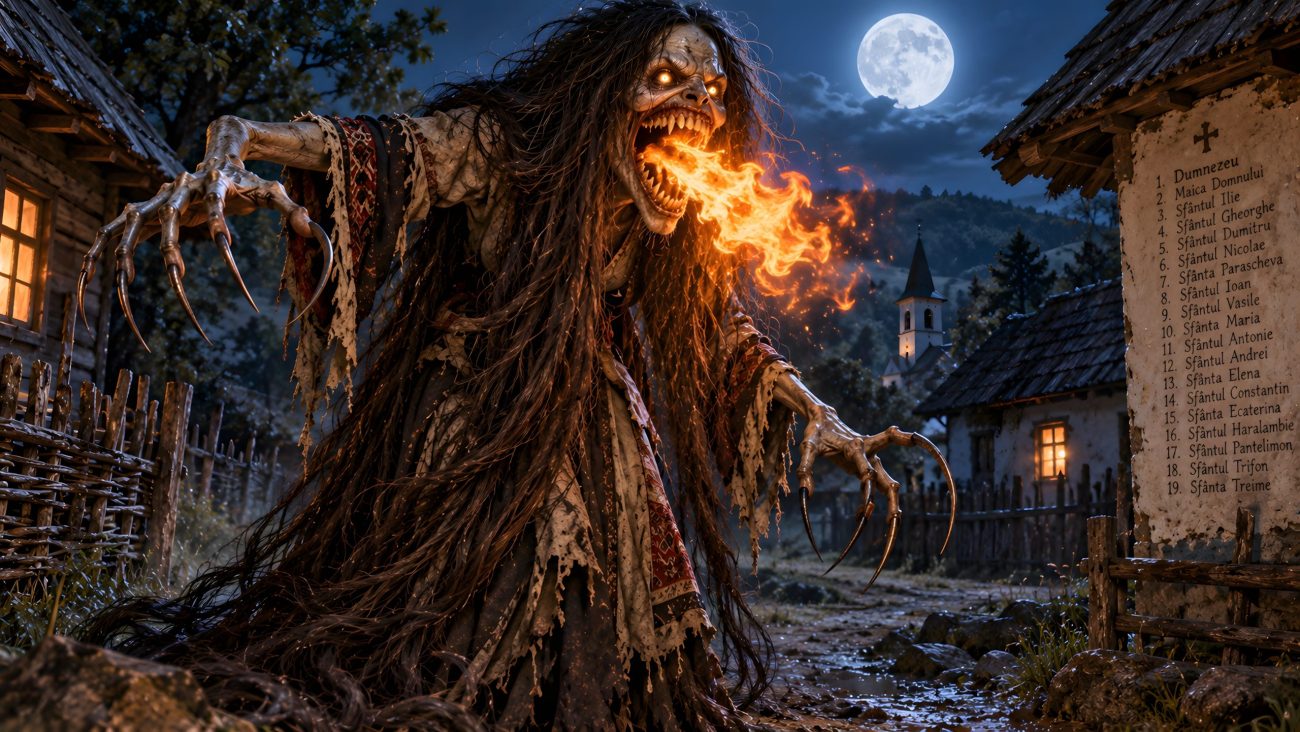
Samca most commonly appeared as a naked woman with disheveled hair reaching down to her heels. She had small eyes that shone brightly like stars, iron hands, long nails sharp like knitting needles or hooked like sickles, and a tongue of fire. In her female form, she had a very large, ugly, crooked mouth that constantly spat fire.

Samca could also take the form of a very large and fierce pig, a grinning dog with terrible teeth, a hairless cat with fiery bulging eyes, a crow with bloody eyes, or a large black spider.

She could emerge at the end of each month, around the full moon, and usually appeared to children under four years old. Children who saw her became so frightened that they immediately became ill. The illness they developed after encountering Samca was known as “the children’s malice.”

Samca could also appear to women who were about to give birth. She would touch and knead the pregnant woman, terrifying her so severely that the woman either died immediately or remained crippled for the rest of her life.

Samca was said to have nineteen names: Vestitia, Navadaraia, Valnomia, Sina, Nicosda, Avezuha, Scorcoila, Tiha, Miha, Grompa, Slalo, Necauza, Hatavu, Hulila, Huva, Ghiana, Gluviana, Prava, and Samca.

Protection against Samca required writing all nineteen of her names on the wall of a house, or having another person write a protective spell that could then be carried on the body. If Samca attacked someone protected by such a spell, the demon would instead harm the person who had written it. However, if the writer was an old person, Samca would not harm them, causing them only to grit their teeth in their sleep.

In a Romanian folk incantation recorded by Moses Gaster, Samca was identified as Avezuha, described as the “wing of Satan.”


Sources

“Samca.” Wikipedia: The Free Encyclopedia. Wikimedia Foundation. Accessed September 12, 2026. https://en.wikipedia.org/wiki/Samca

Marțolea

Tradition: Romanian Mythology
Alternative Names: Marț-sara, Marți Seara
Category: Demon, Sheep


The Myth

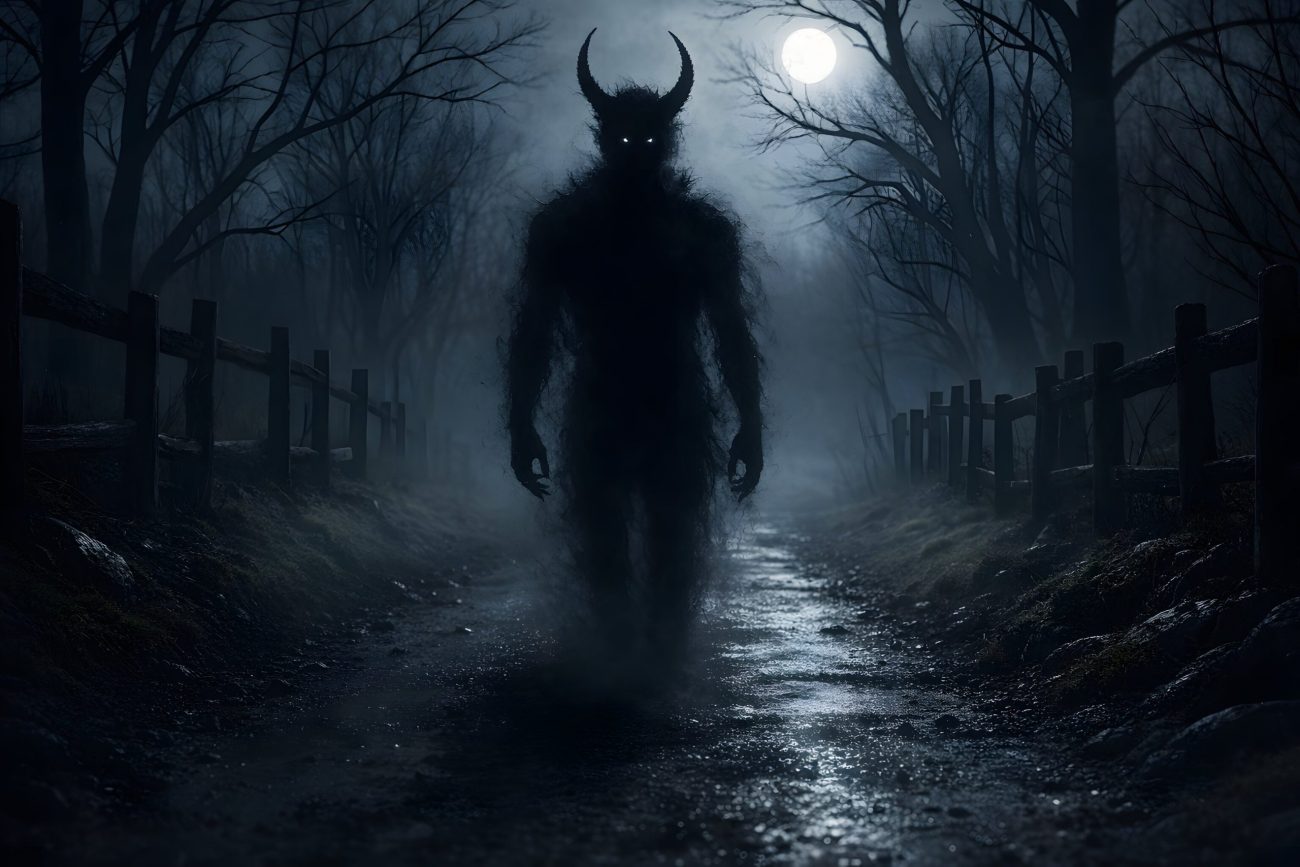
Marțolea is a demonic being that lives in the mountains and descends on Tuesday nights. Its gender is uncertain because it can change its form. It usually appears as a goat with a human-like head, horns, and hooves, but it can also take the form of an ugly old woman dressed entirely in white, a soldier, or a handsome young man.

Marțolea comes at night to punish women who work on Tuesday, a day that is considered semi-holy and must be respected. It forbids four particular household tasks: spinning wool, sowing, boiling laundry, and baking bread. It can lure women with its singing before punishing those who have continued working.

Its punishments are terrible. Unmarried women may be killed, with their guts ripped out and hung from nails on the walls or around the dishes. Married women may be killed, or Marțolea may possess their baby or their husband when he is away from home.

Marțolea appears differently depending on whom it encounters. To married women it appears as an old woman, to married men as a virgin, and to unmarried women as a handsome young man.

Those who respect Tuesday and refrain from the forbidden work are rewarded instead. Marțolea may leave eggs on their doorstep or bring them flowers from the highest mountains of Bucovina. On the first night of March, women wearing Mărțișor charms may also receive a silver coin from Marțolea, which they must keep throughout the year.


Sources

“Marțolea.” Wikipedia: The Free Encyclopedia. Wikimedia Foundation. Accessed September 9, 2026. https://en.wikipedia.org/wiki/Mar%C8%9Bolea


Alzen Bridge Devil

Tradition / Region: Romanian Mythology
Alternate Names: —
Category: Demon


The Myth

Many years ago, the pastor of Alzen had the habit of visiting the casino in Leschkirch twice each week. At midnight his coachman was sent to fetch him home. This duty troubled the servant greatly, for he had to drive alone across the Altmühl bridge at that lonely and haunted hour.

It was the custom to halt on the far side of the bridge so the horses could rest. Whether the coachman wished it or not, the animals were trained to stop there, and no urging could make them do otherwise.

One cold, bright night, under a clear moon, the coachman drove out as usual. The pastor’s coat lay folded on the back seat for the journey home. When the carriage reached the far side of the bridge, the horses halted of their own accord.

At that moment the coachman saw, in the pale light, a silent figure detach itself from the shadow of the bridge. Hat in hand, it climbed lightly onto the back seat and put on the priest’s coat.

The coachman trembled with fear. He thought he had glimpsed two horns upon the stranger’s head. His hands shook so violently he could scarcely hold the reins, and he dared not turn around again. The horses, as if driven by some unseen force, sped onward at a furious pace until they reached the appointed place.

Only then did the coachman gather the courage to look back. The seat was empty. The coat lay exactly where he had left it, untouched, and there was no sign of the strange passenger.

In the days that followed, people in every tavern spoke of the event. It was said that the pastor’s servant had unwittingly driven the Devil himself, and that he nearly left his master’s service rather than face such a night again.


Sources

sagen.at contributors. (n.d.). Alzener Pfarrersknecht als des Teufels Fuhrmann. In sagen.at, from https://www.sagen.at/texte/sagen/rumaenien/siebenbuergen/alzenerpfarrersknecht.html