Gejigeji no Bakemono

Tradition: Japanese Mythology
Alternative Names: Gejigeji no Bakemono, Geji Monster
Category: Insect


The Myth

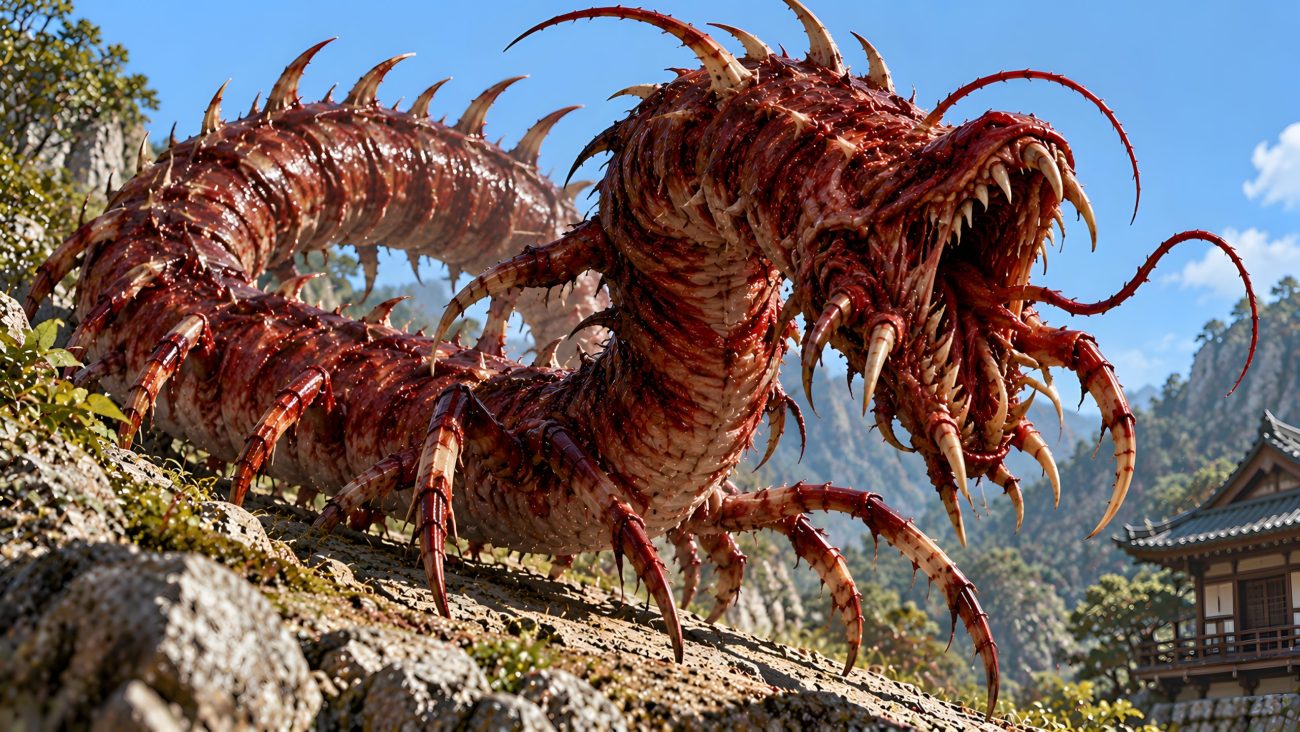
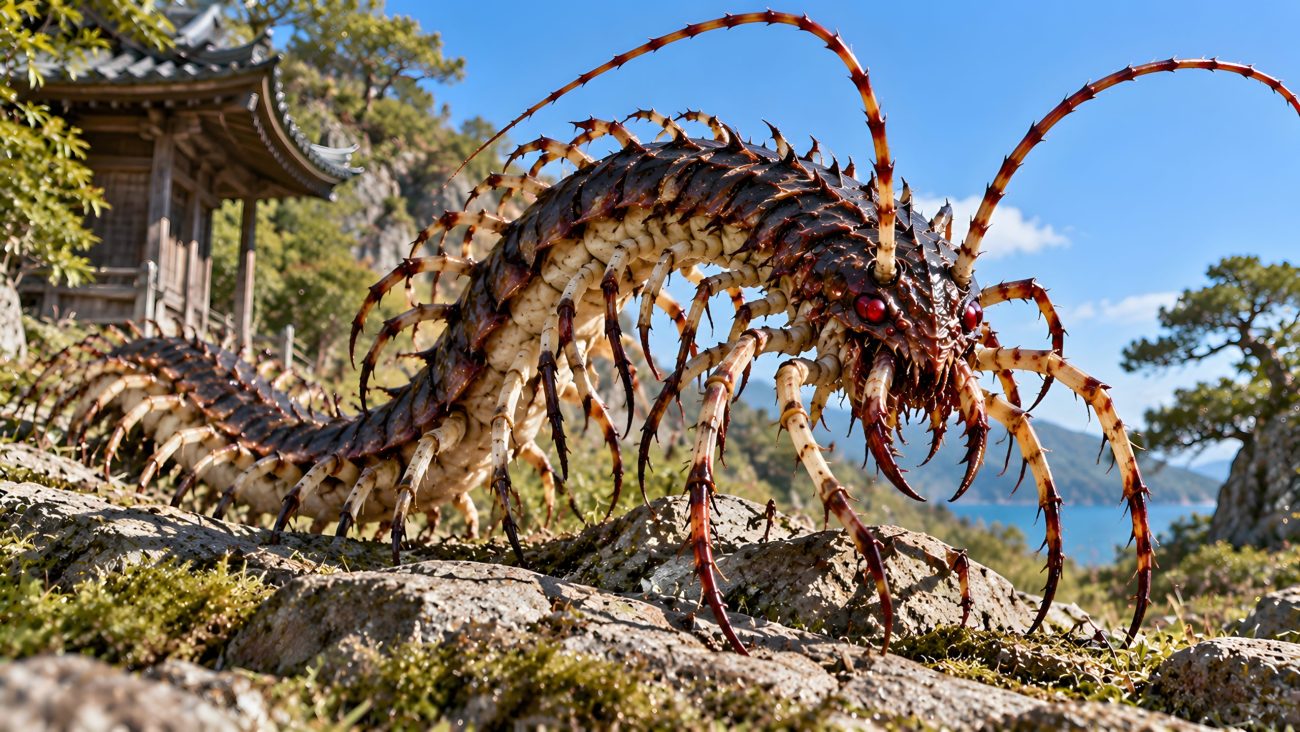
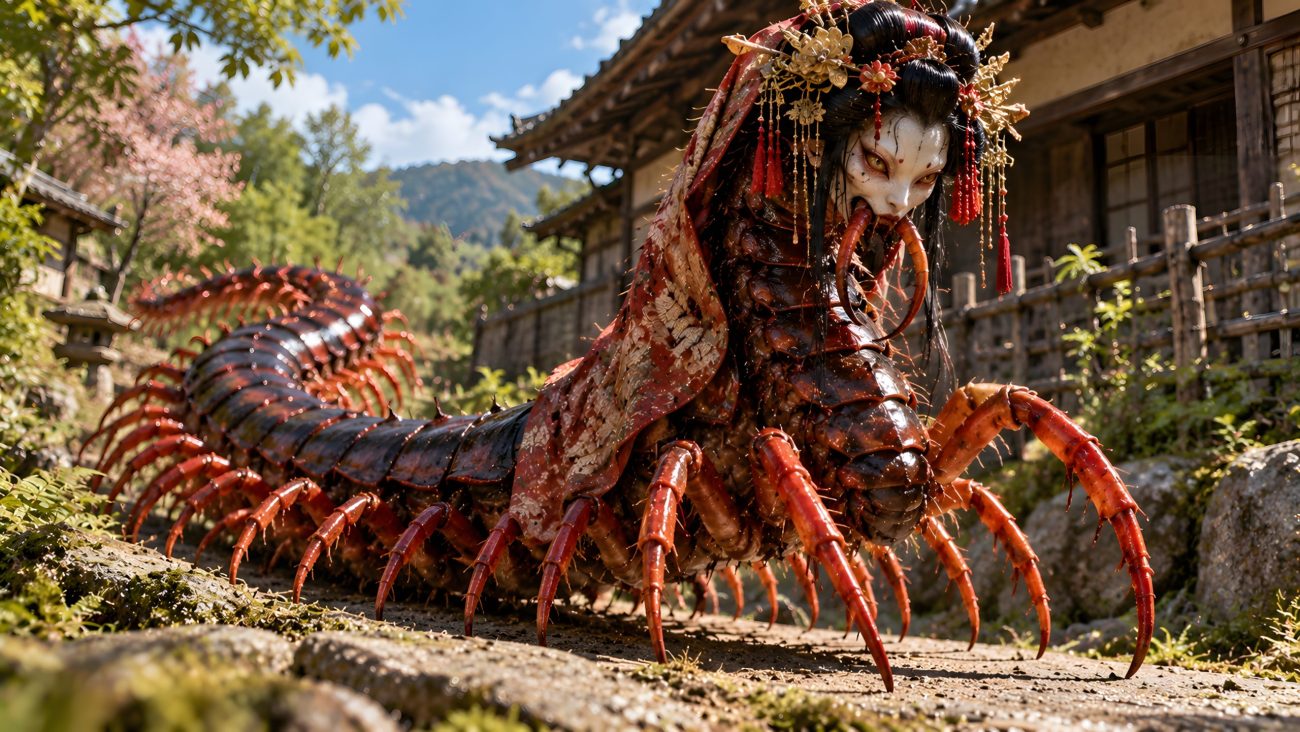
Gejigeji no Bakemono is a strange monster associated with the geji, a many-legged creature known for its unsettling appearance. Like centipedes and spiders, these creatures were sometimes hated as pests or regarded as ominous beings. Its unusual form made it a natural subject for supernatural imagery in Japanese folklore.

During the Edo period, a set of playing cards featuring yōkai included a card called Gejigeji no Bakemono, meaning the Gejigeji Monster. The creature depicted on this card later became the model for the centipede illustration used by the renowned manga artist Shigeru Mizuki, helping spread this particular monster’s appearance to a wider audience.

A widespread folk belief held that anyone licked by a gejigeji would lose their hair. This strange superstition was recorded in different parts of Japan, but its origins were disputed. The scholar Yamazaki Yoshinari, writing in Seji Hyakudan, argued that the belief originally concerned not an insect but a demonic spirit known as Gejiki (下食).

According to this explanation, Gejiki was a demon or divine spirit associated with a day when the essence of the Tengu star was believed to descend to the human world in search of food. Drawing on the Gōke Shidai, Yamazaki described a belief that bathing on this day could cause a demon to lick a person’s head, resulting in hair loss. He connected this tradition with the Chinese disease known as Kiteitō (鬼舐頭), also associated with hair loss caused by a demon licking the head.

Yamazaki therefore proposed that the name geji originated as an abbreviation of Gejiki, and that the supposed insect responsible for hair loss had become confused with an older supernatural belief. The Gejigeji Monster thus occupies an unusual place in Japanese folklore, where fear of a real many-legged creature became intertwined with traditions about demons, misfortune, and mysterious hair loss.


Sources

“Gejigeji.” 新版TYZ 妖怪図鑑 (New TYZ Yokai Encyclopedia). https://tyz-yokai.blog.jp/archives/1010654300.html
Gokiburi no Rei

Tradition: Japanese Mythology
Alternative Names: Gokiburi no Rei, Gokiburi-ten (護鬼佛理天)
Category: Insect


The Myth

Gokiburi no Rei represents the spirits of cockroaches killed by humans. Although these insects are commonly feared and exterminated as pests, Japanese memorial traditions treat them as living creatures whose deaths deserve recognition. Their spirits are honoured through prayers and monuments, transforming an insect usually associated with disgust into a subject of supernatural reverence.

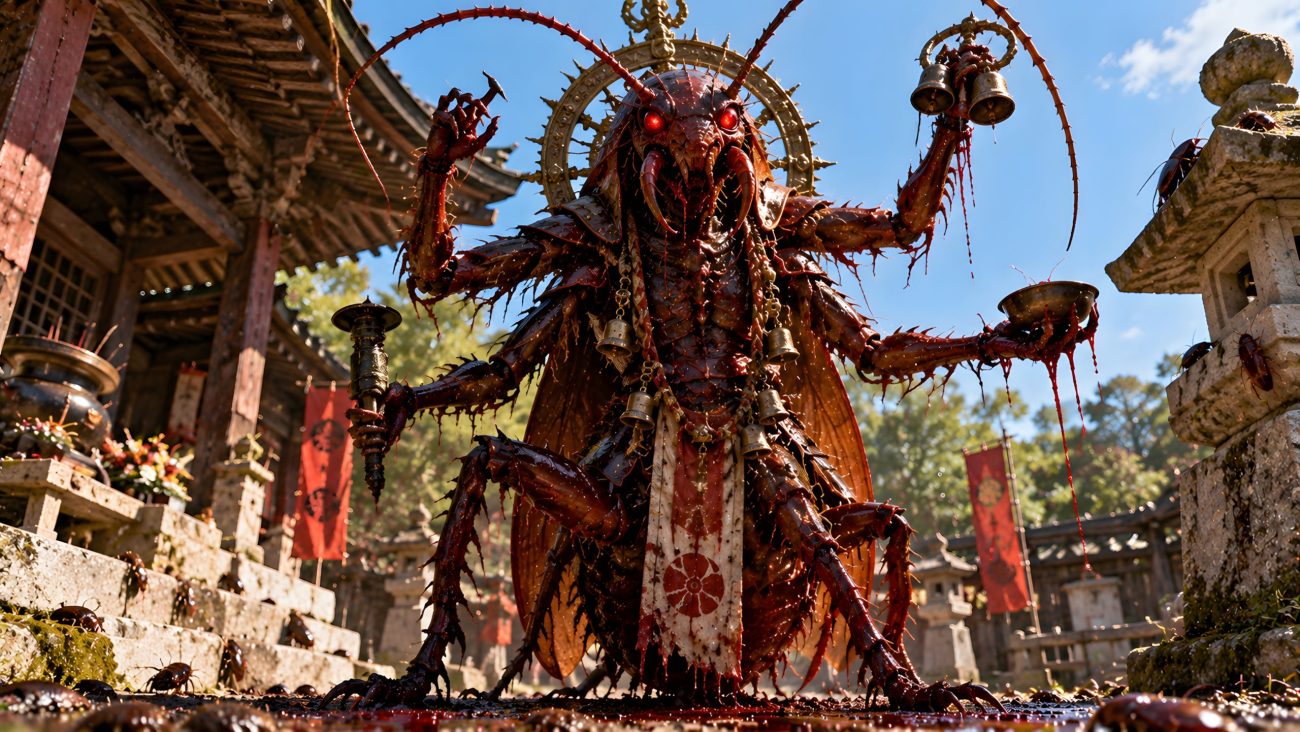
The most striking representation of these spirits is Gokiburi-ten, a powerful figure created to appease the souls of slain cockroaches. Its statue stands at Rinsenji Temple in Nara Prefecture and was erected in 2001 by a building-cleaning company. Sculpted with four arms and two legs stretched dramatically outward, the figure possesses an imposing, almost divine appearance. Rather than depicting a tiny insect, the monument gives the cockroach spirits a commanding form worthy of worship and remembrance.

Gokiburi-ten’s body merges with the image of a city, representing a world in which humans and cockroaches have lived and prospered alongside one another. The design presents an unusual vision of coexistence: the same creatures that people seek to destroy have shared their living spaces and environments for generations. Their deaths are therefore remembered as part of the uneasy relationship between humanity and the natural world.

The spirits of cockroaches are also honoured through insect memorial ceremonies. During these services, images of cockroaches, mosquitoes, and other insects are gathered while Buddhist sutras are chanted. Such rituals express gratitude toward the creatures sacrificed in the course of human activity, even when their extermination is considered necessary.

Gokiburi no Rei offers a different way of looking at creatures that people usually despise. Behind every exterminated insect lies a life ended for human convenience, and its memorial invites people to consider the consequences of their actions. Through Gokiburi-ten, the cockroach becomes more than a pest: it becomes a spirit worthy of remembrance, embodying the strange boundary between the creatures humans fear and the lives they share the world with.


Sources

“The Spirit of the Cockroach.” 新版TYZ 妖怪図鑑 (New TYZ Yokai Encyclopedia). https://tyz-yokai.blog.jp/archives/1075899380.html


Kijikui

Tradition: Japanese Mythology
Alternative Names: Pheasant Eater
Category: Insect


The Myth

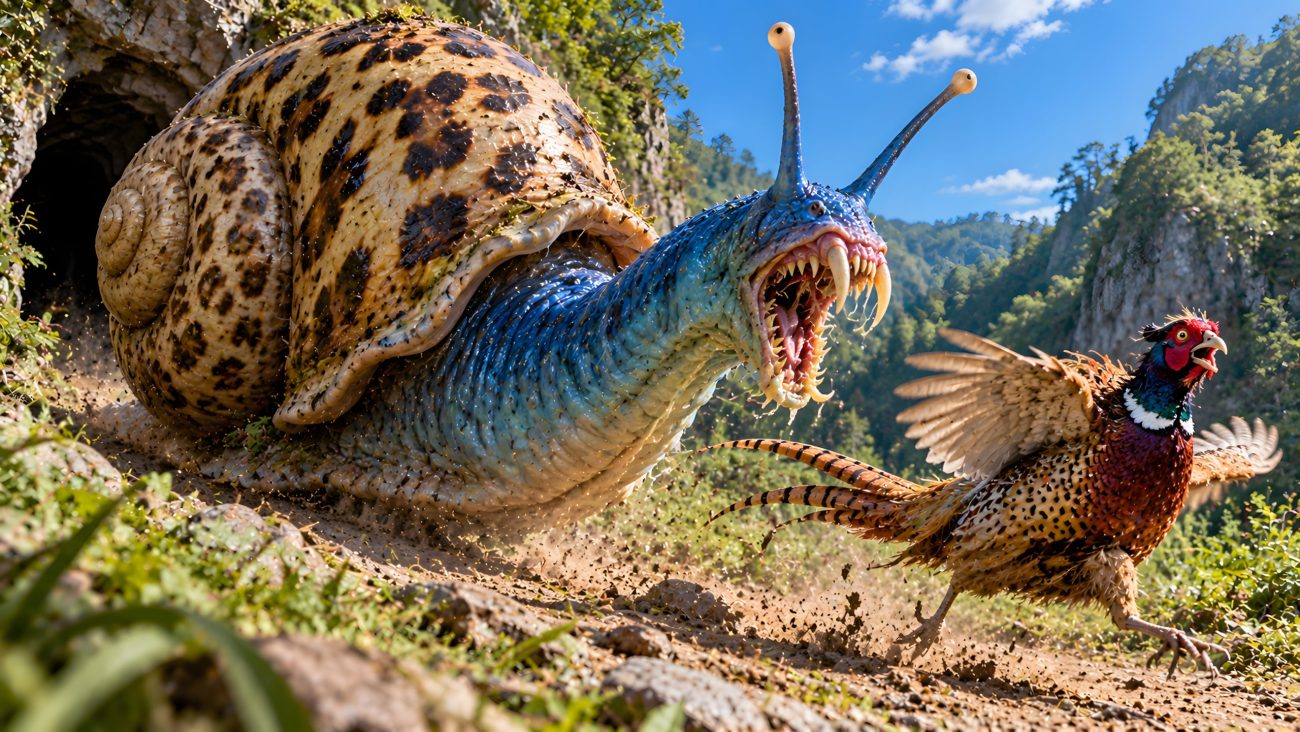
Kijikui is a strange monster recorded in the Edo-period work Himeguni Sankai Roku. It resembles a giant snail, with a spotted shell and a blue neck protruding from its opening. Despite its unusual body and apparent lack of legs, the creature is described as remarkably agile and capable of moving at extraordinary speed.

According to the account, the monster was witnessed in 1726 by a man named Heitayu from Fukasawa Village in Chikugo Province. He encountered it in a valley, where it chased down and captured a wild pheasant. When the creature noticed the presence of a human, it fled towards a cave with the speed of the wind. It disappeared inside, and its whereabouts remained unknown.

The name Kijikui, meaning “Pheasant Eater,” was not given to the creature in the original account. It was assigned later by Susumu Zenyoji in his 2015 book Edo no Yōkai Zukan (Illustrated Scroll of Edo’s Monsters).

There is some uncertainty surrounding the creature’s depiction. A neighbouring entry in Himeguni Sankai Roku describes a monster from Chikugo Province during the Kan’en era, with a tortoiseshell-like covering, possibly the remains of a snail, and a large pattern on its shell. However, the illustration associated with Kijikui makes it difficult to identify such a pattern. This raises the possibility that the illustrations and descriptions were accidentally placed in the wrong order during the compilation or copying of the work.

Despite these uncertainties, Kijikui remains a curious creature in Japanese monster lore: a snail-like predator capable of catching pheasants and vanishing into a cave with astonishing speed, even though its illustrated body appears poorly suited to running.


Sources

“Kijiku.” 新版TYZ 妖怪図鑑 (New TYZ Yokai Encyclopedia). https://tyz-yokai.blog.jp/archives/1077606809.html


Mukade Nyōbō

Tradition: Japanese Mythology
Alternative Names: Centipede Wife
Category: Insect


The Myth

Mukade Nyōbō is a centipede bride from a short folktale recorded in Kōka District, Shiga Prefecture, Japan. She is described through the unusual appearance of the centipede she represents: a creature with a black body and red legs. Someone found this combination of colours so charming that he declared he wanted to marry a centipede.

His wish was granted, and he took the centipede as his wife. However, married life soon became troublesome. The centipede required an enormous number of sandals, forcing her husband to make pair after pair for her many feet.

Eventually, the burden of producing so many sandals became too much, and the marriage ended in divorce. The story offers a humorous explanation for why a man who wished to marry a centipede ultimately regretted his decision. Rather than presenting the creature as a terrifying monster, the folktale turns its many legs into the source of an impractical and ultimately unsuccessful marriage.


Sources

“Mukade Nyōbō.” 新版TYZ 妖怪図鑑 (New TYZ Yokai Encyclopedia). https://tyz-yokai.blog.jp/archives/1061416806.html


Nozuchi

Tradition: Japanese Mythology
Alternative Names: Nozuchi, Wild Mallet
Category: Insect


The Myth

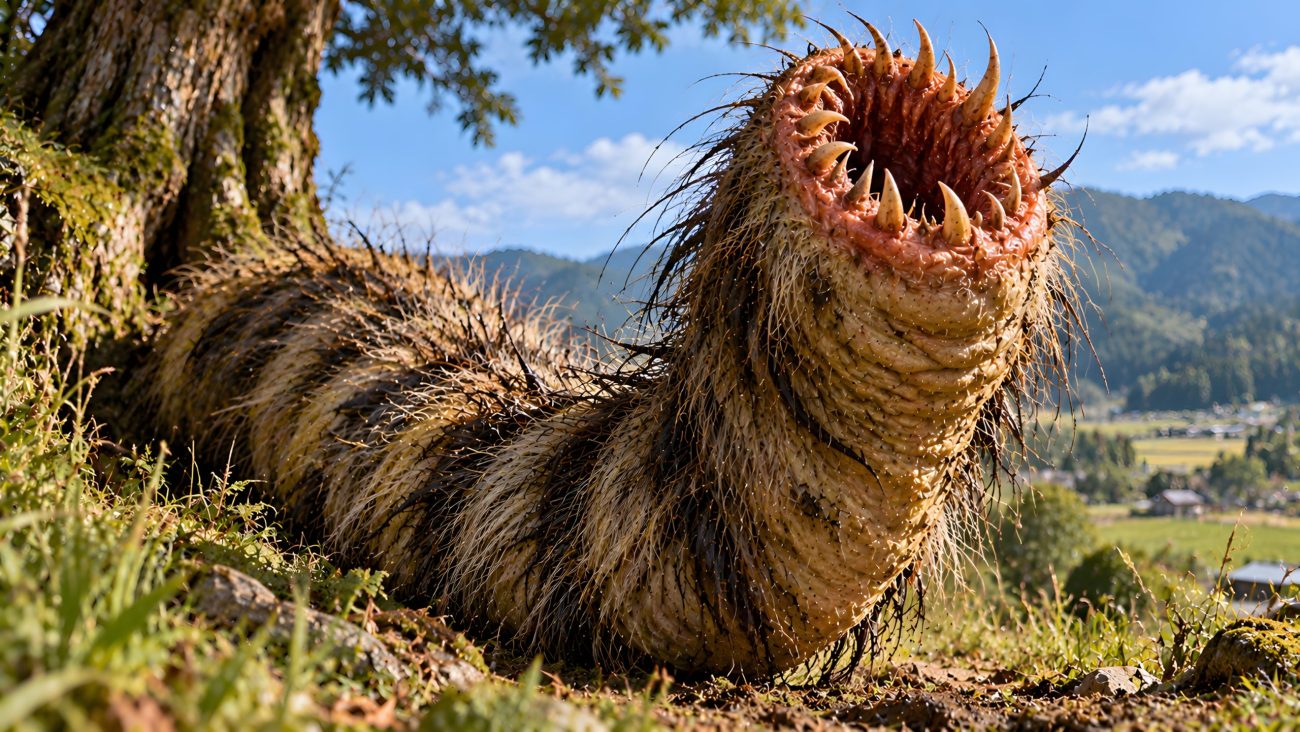
Nozuchi are ancient, snake-like yōkai associated with fields and grasslands throughout Japan. They have short, thick bodies shaped like mallets, measuring around fifteen centimetres in diameter and just over a metre in length. Their bodies are covered in coarse, bristly fur resembling that of a hairy caterpillar. They have no eyes, nose, or other facial features, only a large mouth on the top of the head that points towards the sky.

These strange creatures make their homes inside large trees, particularly those growing on hilltops. Nozuchi move slowly, often rolling and tumbling down slopes before gradually making their way back uphill. They are carnivorous and usually prey on small animals such as mice, rats, rabbits, squirrels, and birds. Despite their small size, they possess a fearsome appetite. In Nara, they are said to feed on deer, swallowing an entire animal in a single bite and drawing it into their surprisingly compact bodies.

Nozuchi are dangerous to humans who approach their nests. They may roll downhill towards intruders and snap at their feet, inflicting terrible, mangled wounds. Their attacks are believed to cause a severe fever that quickly leads to death. According to the folklore described in this account, even being touched or merely seen by a tumbling Nozuchi can bring on the deadly illness.

Fortunately, their unusual method of movement provides a means of avoiding them. Travellers are advised to remain on higher ground, beyond the creatures’ rolling paths, or to climb a tree if no suitable high ground is available.

Nozuchi can also assume a humanoid form, although they are rarely encountered in this shape. They then resemble human priests, but their heads lack eyes, noses, hair, and ears. Instead, they possess only a large, gaping mouth pointing upwards. According to the tradition described here, wicked monks banished from their temples and forced to live in the wilderness may gradually transform into Nozuchi. Those with this origin are more likely to retain a humanoid appearance than to take the usual snake-like form.

Despite their resemblance to another eyeless supernatural figure, the Nopperabō, Nozuchi are distinct creatures. Their characteristic mallet-shaped bodies, rolling movements, immense appetite, and deadly association with fever make them particularly dangerous inhabitants of Japan’s wild fields and hills.


Sources

“Nozuchi.” Yokai.com. https://yokai.com/nozuchi/


Kitai

Tradition: Japanese Mythology
Alternative Names: 鬼胎
Category: Insect


The Myth

Kitai is a supernatural parasite that develops inside the human body and causes illness. According to the Japanese medical text Harimonsho (針聞書), it originates in the left armpit, where it first appears as a blood clot about the size of a large cup.

As the Kitai develops, the clot gradually transforms into a strange creature resembling a snake or a beast. It begins to move slowly within its host, and its movements are said to trigger fits of rage or hysterical states. Once these symptoms appear, curing the condition is considered difficult.

The Harimonsho describes acupuncture as a possible treatment for the Kitai. However, the precise method is not recorded in the text, as the knowledge was often transmitted orally.

The Kitai represents an unusual form of supernatural disease creature: rather than attacking from outside, it originates within the body and transforms from an abnormal mass of blood into a living, animal-like entity. Its movement is associated with severe disturbances in the host’s behaviour, while the secretive nature of its treatment suggests that knowledge of how to combat it was restricted to practitioners who had learned the method directly.


Sources

“Kitai.” 新版TYZ 妖怪図鑑 (New TYZ Yokai Encyclopedia). https://tyz-yokai.blog.jp/archives/1010654267.html


Tetsugi

Tradition: Japanese Mythology
Alternative Names: Iron Ants
Category: Insect


The Myth

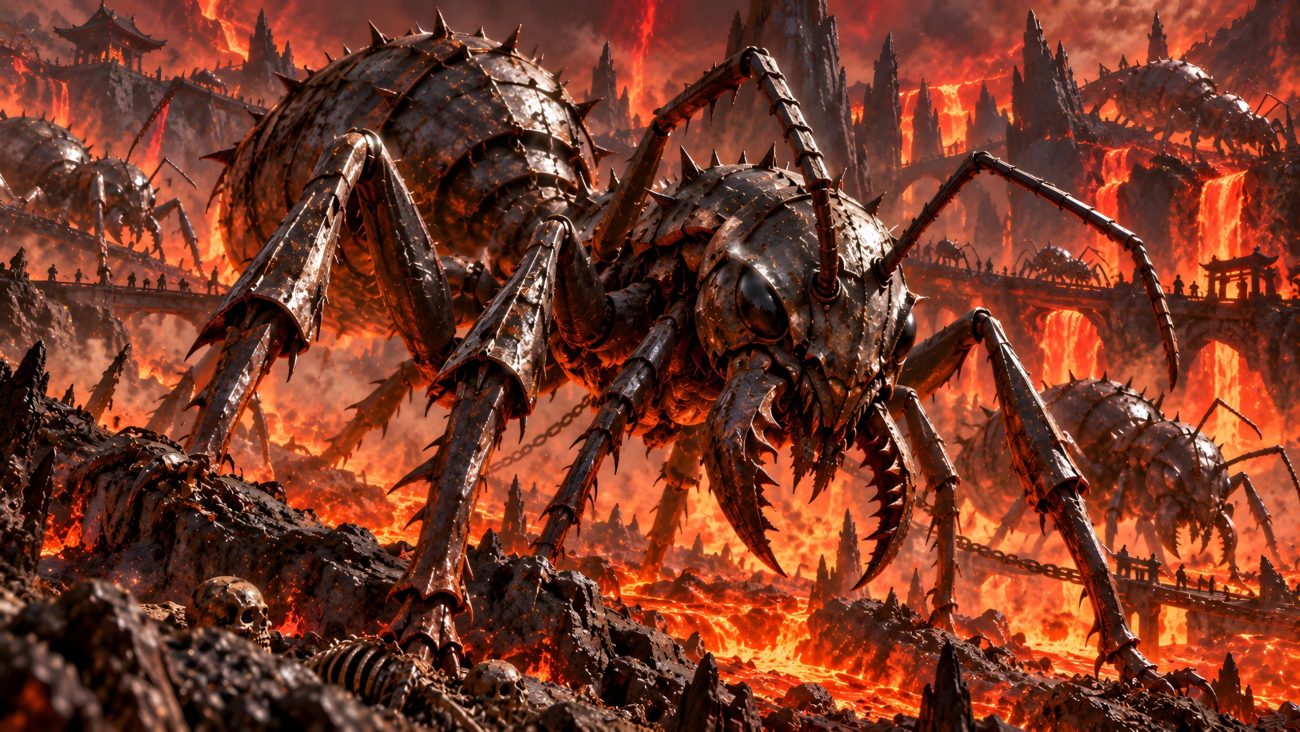
Tetsugi are iron ants that inhabit particular regions of the Buddhist hells, where they torment condemned souls. These supernatural insects are described as deadly creatures capable of attacking the entire body, devouring flesh, drinking blood, severing tendons, breaking bones, and consuming the marrow and internal organs of their victims.

In the Shūchūshūchū Hell, one of the sixteen subsidiary regions of the Hell of Crushing, iron ants attack sinners while flames engulf their bodies. According to the Sūtra on the Right Mindfulness, people who committed sexual acts with sheep or donkeys during their lives and failed to respect the Buddha fall into this hell after death. There, the combination of burning fire and the relentless attacks of the iron ants subjects them to prolonged and terrible suffering. The condemned cry out in agony as the insects tear into their bodies.

Iron ants also inhabit Issaikonmetsu Hell, another subsidiary region of the Hell of Crushing. This realm punishes those who committed sexual acts with women through the anus. The condemned endure additional tortures imposed by the hell’s wardens, including being forced to drink molten copper liquid from a heated iron bowl and having white wax poured into their ears. Amid these punishments, iron ants and other black insects of iron, surrounded by flames, attack their bodies and devour their eyes.

Tetsugi represent the merciless creatures of Buddhist hell, where supernatural insects serve as instruments of punishment for the sins committed during earthly life. Their iron bodies and destructive feeding make them especially terrifying, as they inflict suffering by consuming not only flesh and blood but also the deeper structures of the body. In these hells, their attacks ensure that the condemned endure further torment alongside fire and the punishments administered by the wardens.


Sources

“Tetsugi.” 新版TYZ 妖怪図鑑 (New TYZ Yokai Encyclopedia). https://tyz-yokai.blog.jp/archives/1074589331.html


Nitouchu

Tradition: Japanese Mythology
Alternative Names: Nitouchū
Category: Insect


The Myth

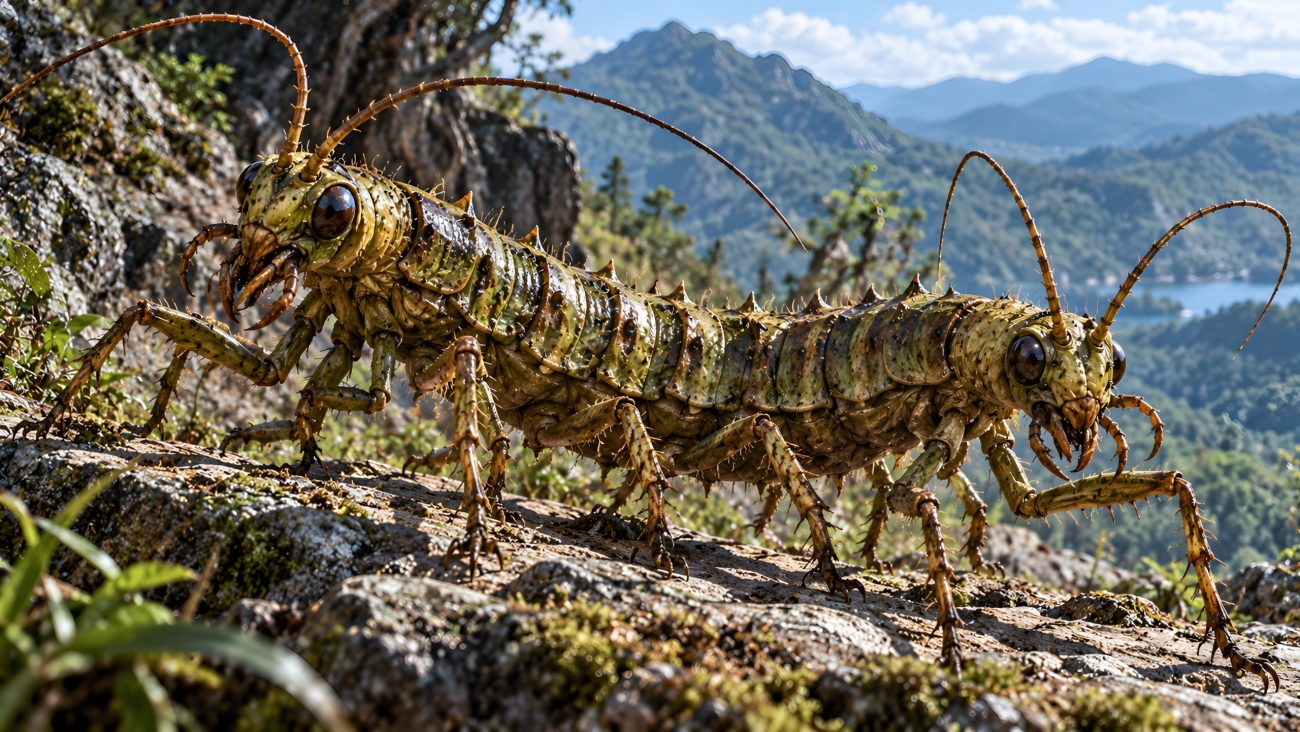
Nitouchu is a strange insect described as resembling a cricket or caterpillar, with an unusual feature that sets it apart from ordinary insects: it has a head at both ends of its body. Its appearance is recorded in the Himeguni Sankai Roku, an illustrated book describing unusual insects found in different regions of Japan.

Despite its strange form, Nitouchu is specifically distinguished from a centipede. The surviving description provides no further details about its behaviour, habitat, size, or whether it was believed to possess any supernatural abilities.

The Himeguni Sankai Roku, completed around 1762 by Professor Minamiya, records twenty-five types of unusual insects accompanied by illustrations. Nitouchu is one of these curious creatures, although even the original author did not know exactly what kind of insect it was. Its identity and origins therefore remain uncertain.


Sources

“Nitouchu.” 新版TYZ 妖怪図鑑 (New TYZ Yokai Encyclopedia). https://tyz-yokai.blog.jp/archives/1021229162.html


Akuchu

Tradition: Japanese Mythology
Alternative Names: Kuchu
Category: Insect


The Myth

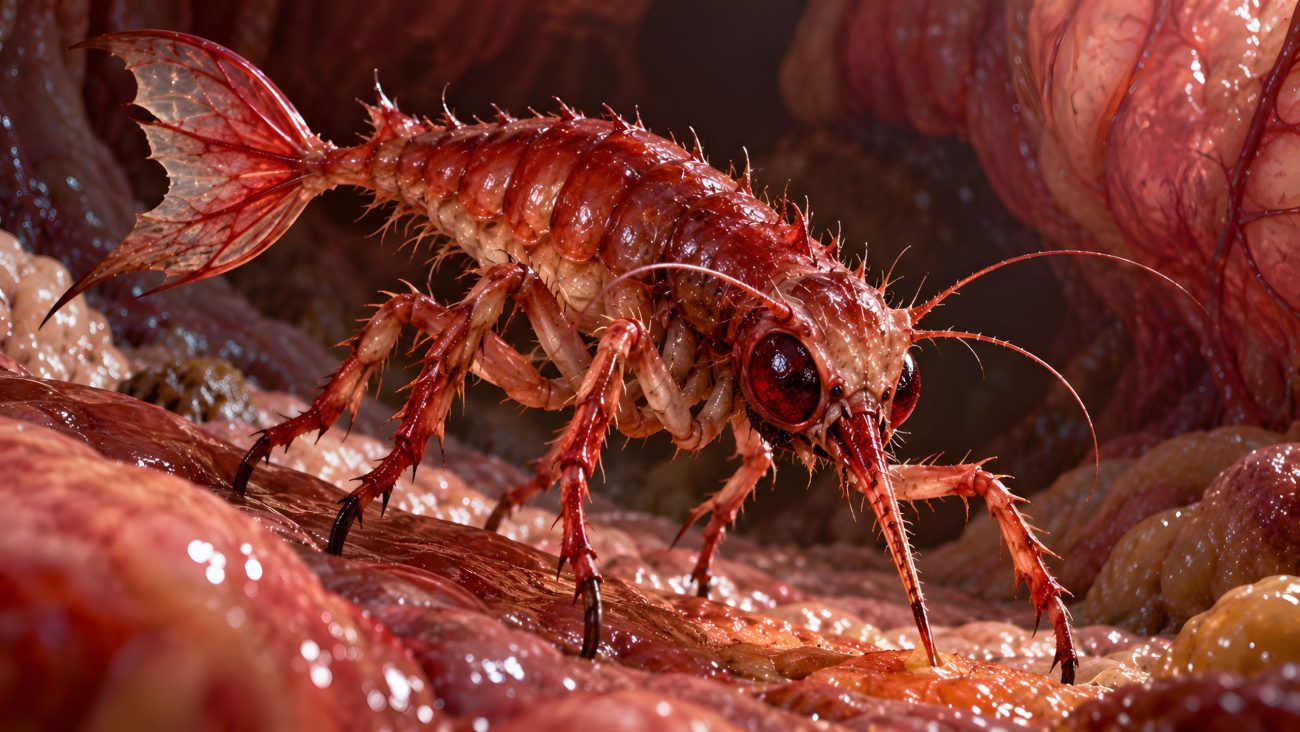
Akuchu is a small, harmful insect believed to live inside the human body and cause illness. It is described as a red creature with six legs, a pointed proboscis, and a tail fin. Unlike ordinary insects, it inhabits the body rather than the outside world, making it a hidden source of sickness.

According to the Harimonsho, a book on acupuncture, Akuchu attaches itself to a person and feeds on their food. It is said to reside in the spleen, where it consumes nourishment and brings harm to its host. Its presence reflects a traditional belief that disease could be caused by tiny creatures living within the body.

The account states that taking Mukou, a type of herbal medicine, causes all the Akuchu to disappear. This remedy offers a way to eliminate the harmful insects and restore the body. Although the description is brief, Akuchu represents a supernatural explanation for illness in which an unseen creature lives within a person and feeds at their expense.


Sources

“Akuchuu.” 新版TYZ 妖怪図鑑 (New TYZ Yokai Encyclopedia). https://tyz-yokai.blog.jp/archives/1010654395.html