Ellén Trechend

Tradition / Region: Irish Mythology
Alternative names: Ellen Trechend
Category: Bird


The Myth

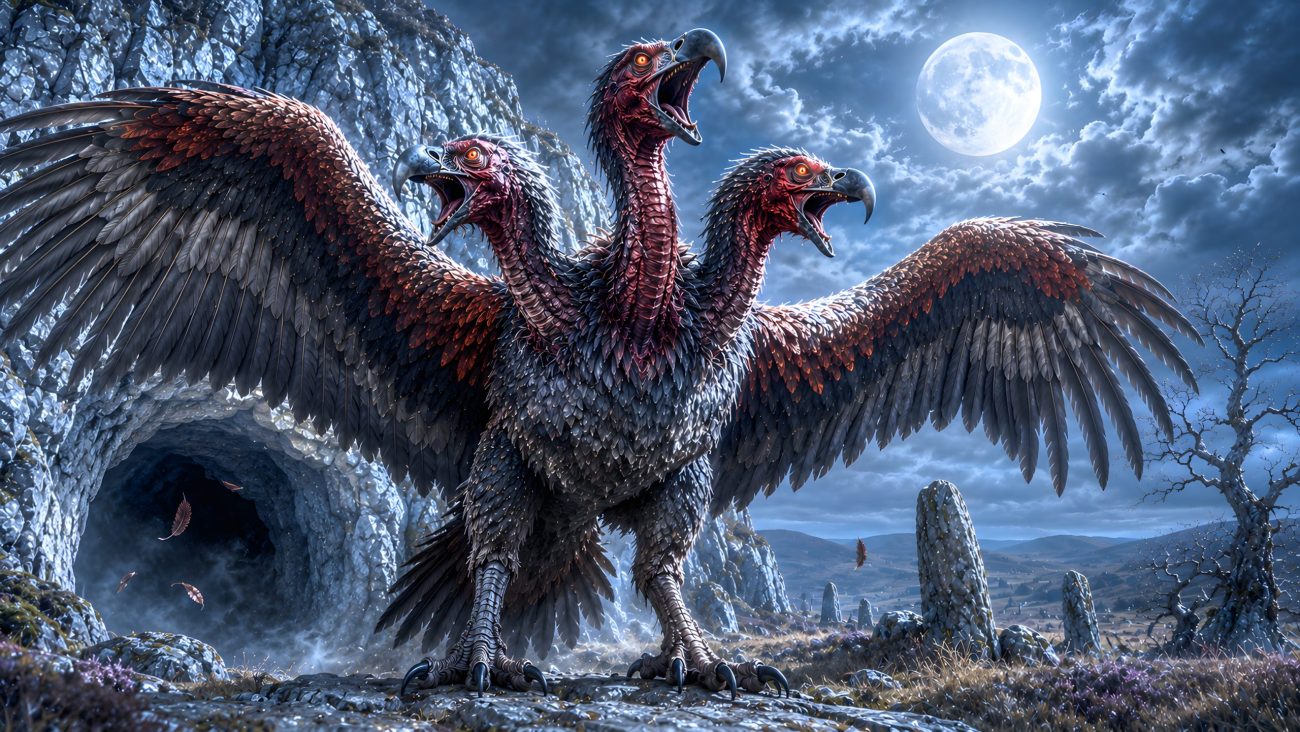
The Ellén Trechend is a terrifying three-headed monster from Irish mythology, often described as a monstrous three-headed bird or vulture. It emerged from the cave of Cruachan during a time of great destruction and ravaged Ireland, bringing devastation wherever it flew.

According to the Cath Maige Mucrama, the creature laid waste to the land until it was confronted by the Ulster poet and hero Amergin, who succeeded in slaying the monstrous being and ending its reign of terror.

Later Irish tradition associates the Ellén Trechend with the horrors released from the cave of Cruachan on Samhain. Alongside a host of goblins came a flock of copper-red birds led by a gigantic three-headed vulture, a creature widely believed to be the Ellén Trechend itself. As the leader of these supernatural birds, it became one of the most fearsome monsters associated with the opening of the Otherworld.


Sources

Wikipedia contributors. (n.d.). Ellén Trechend. In Wikipedia. Retrieved June 29, 2026, from https://en.wikipedia.org/wiki/Ell%C3%A9n_Trechend

Finnguala

Tradition / Region: Irish Mythology
Alternative names: Fionnghuala, Fionnuala, Finola, Fenella, Nuala
Category: Bird


The Myth

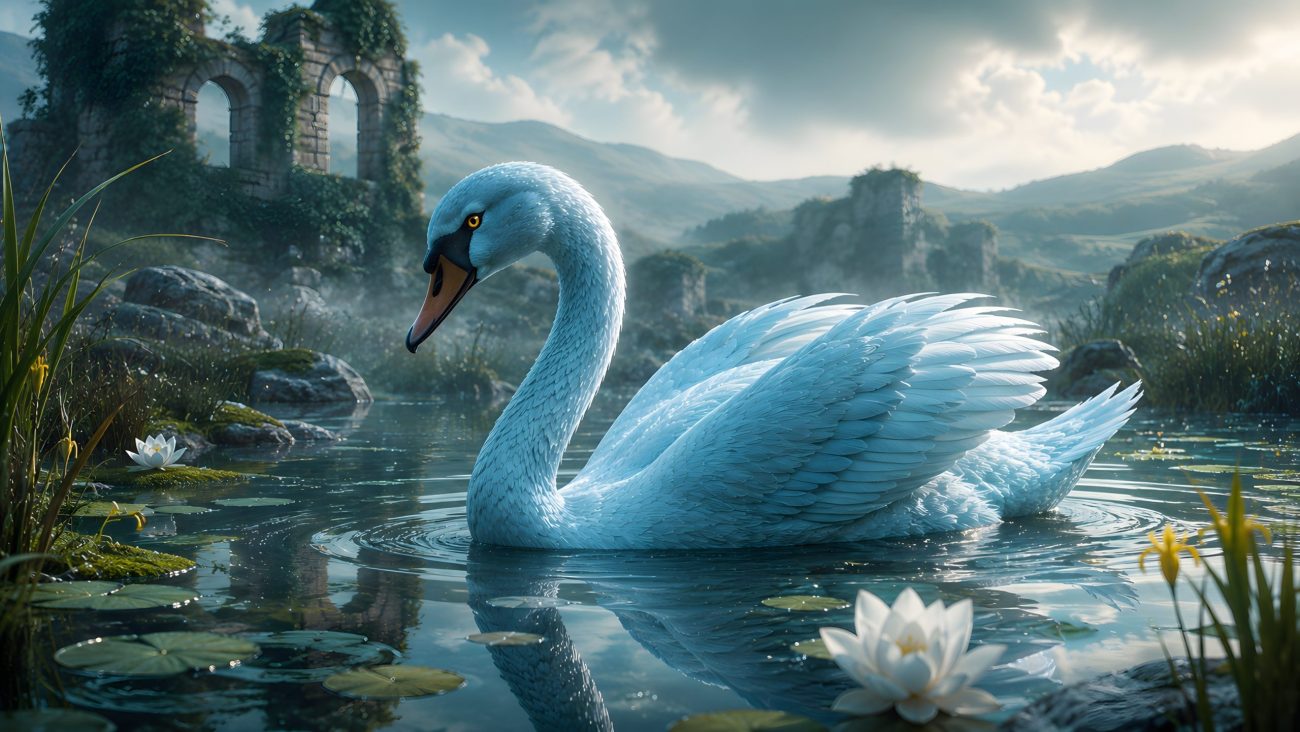
Finnguala was the daughter of Lir of the Tuatha Dé Danann and the eldest of the four Children of Lir. Out of jealousy, their stepmother Aoife cursed Finnguala and her brothers—Fiachra, Conn, and Aodh—transforming them into swans.

The curse condemned the four siblings to wander the lakes, rivers, and seas of Ireland for nine hundred years. Though they retained their human minds and voices, they were forced to live as swans, enduring loneliness, harsh winters, and the passing of kingdoms and generations while singing mournful songs.

At the end of the long exile, the curse could only be broken by the marriage of Lairgren, son of Colman, and Deoch, daughter of Finghin. When the prophecy was fulfilled, the swans regained their human forms, but they had become ancient with age. After receiving Christian baptism, Finnguala and her brothers peacefully died, bringing their centuries of suffering to an end.


Sources

Wikipedia contributors. (n.d.). Fionnuala. In Wikipedia. Retrieved June 29, 2026, from https://en.wikipedia.org/wiki/Fionnuala.