Tradition: English Mythology
Alternative Names: Impe
Category: Demon
The Myth
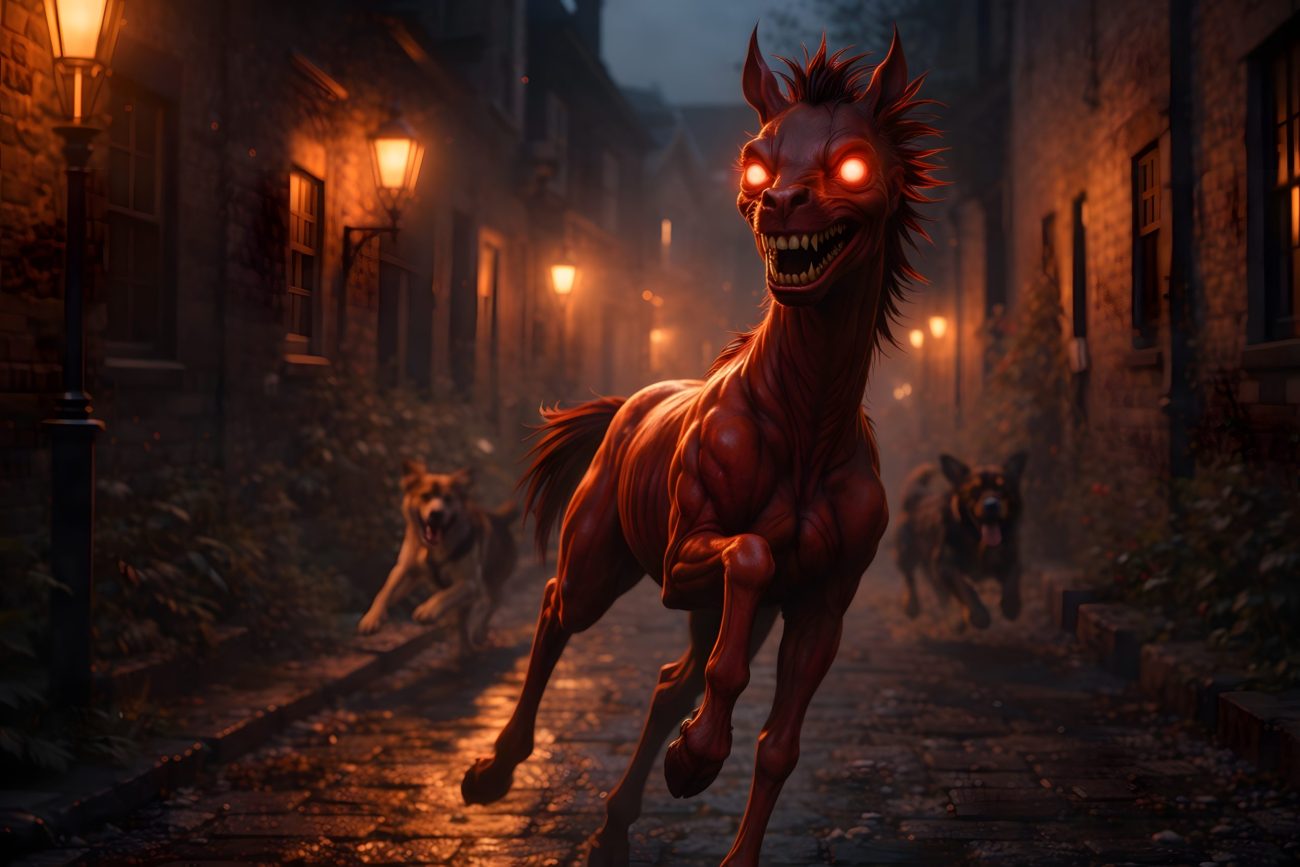
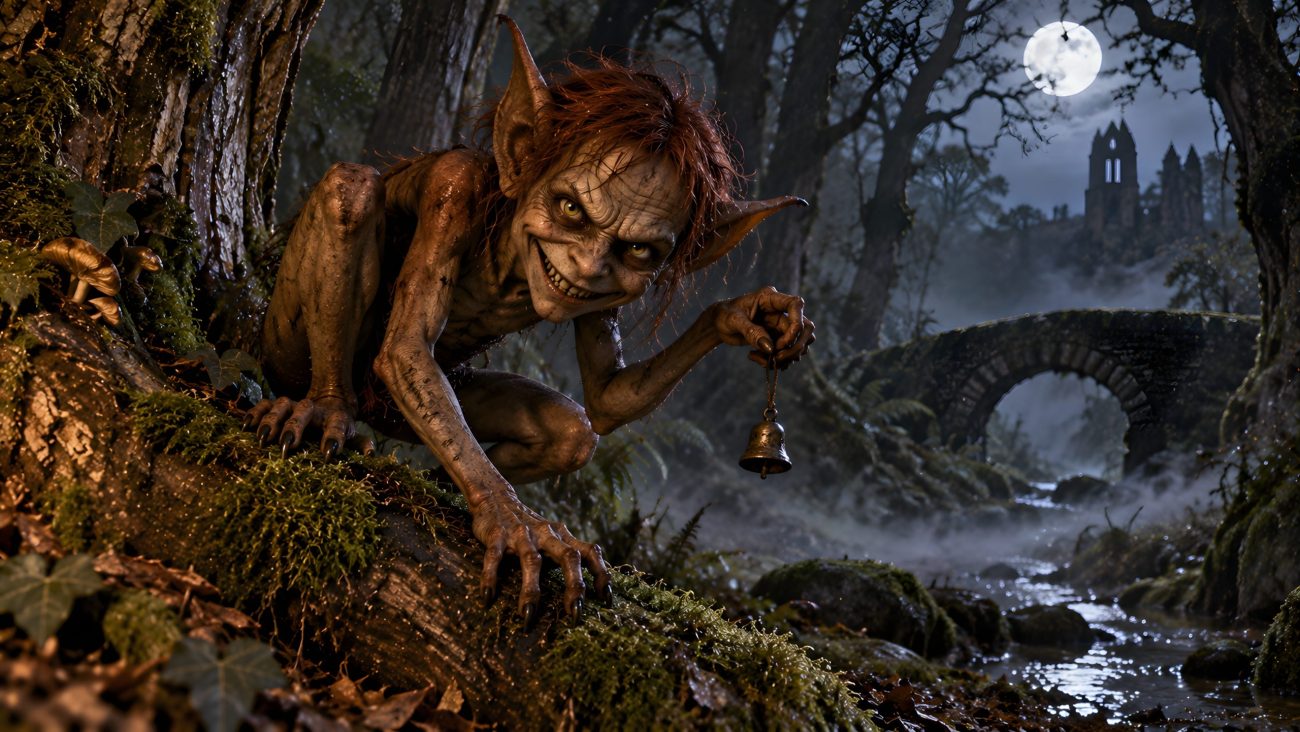
Imps are small supernatural beings, usually described as lively, troublesome, and mischievous. They are often portrayed as lesser beings, sometimes resembling fairies and sometimes described as small demons or attendants of the Devil.
Imps are known for playing tricks on people. Their mischief can be harmless, but they can also mislead travelers, cause trouble, or otherwise disturb people. They were sometimes believed to seek friendship with humans, using jokes and pranks to gain their attention, although their behavior could just as easily drive people away.
In later folklore, imps became associated with witches and warlocks as familiar spirits. They were believed to serve their masters as companions, spies, or informants. Such familiars could take the form of animals such as black cats, lizards, or toads.
One of the best-known legends concerns the Lincoln Imp. According to a legend from Lincolnshire, the Devil came to Lincoln Cathedral accompanied by two imps. The imps began causing havoc inside the cathedral until an angel appeared and ordered them to stop.
One of the imps attempted to throw a stone at the angel. The angel commanded, “O impious imp, be ye turned to stone,” and the creature was immediately petrified. Its companion escaped, while the unfortunate imp remained as a stone figure inside the cathedral.
Sources
“Imp.” Wikipedia: The Free Encyclopedia. Wikimedia Foundation. Accessed September 7, 2026. https://en.wikipedia.org/wiki/Imp