Alvas

Tradition: Icelandic Mythology, Norwegian Mythology, Swedish Mythology
Alternative Names: Álfar, Álfr, Alv, Ælfur, Ljósálfar, Dökkálfar, Svartálfar
Category: Elf


The Myth

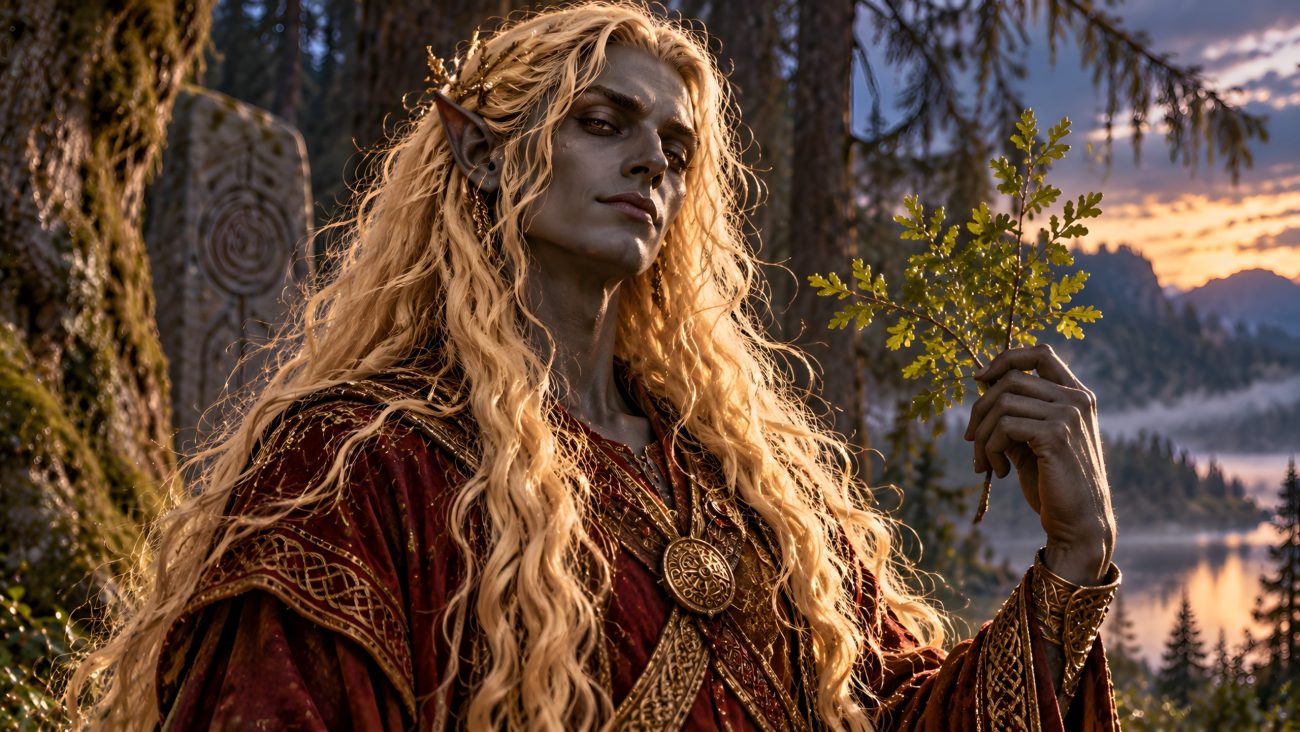
The Alvas were lower nature spirits of Scandinavian mythology and were regarded as the original beings behind the later tradition of elves. Their name appears in several Scandinavian forms: Ælfur in Icelandic, Álfar in Old Norse, Álvar in Swedish, and Alv in Norwegian. They were supernatural beings connected with nature, fertility, and the unseen world. The tradition also distinguished different kinds of elves, including the luminous Ljósálfar and the dark Dökkálfar or Svartálfar.

In the Elder Edda, the elves are presented as a distinct supernatural group alongside the Æsir, although the traditions sometimes blur the boundary between elves and dwarves. The distinction between light and dark elves gives the Alvas a divided nature: the Ljósálfar are associated with light, while the Dökkálfar and Svartálfar belong to the darker side of the supernatural world. The elves therefore occupied an important place among the various non-human beings of the Norse cosmos.

The Alvas were also associated with fertility and received their own cult in Scandinavian tradition. In the Elder Edda, the smith Völundr is called the “prince of the elves,” showing that the elves could possess their own hierarchy and prominent supernatural figures. They were consequently not simply small magical creatures, but a broader class of nature spirits inhabiting the supernatural world alongside gods, dwarves, and other beings.


Sources

“Alv.” New Bestiary (Bestiary.us). Accessed October 5, 2026.
https://www.bestiary.us/alv

Lovestruck Elf

Tradition: Luxembourgish Mythology
Alternative Names: The Light Elf of Junglinster
Category: Elf


The Myth

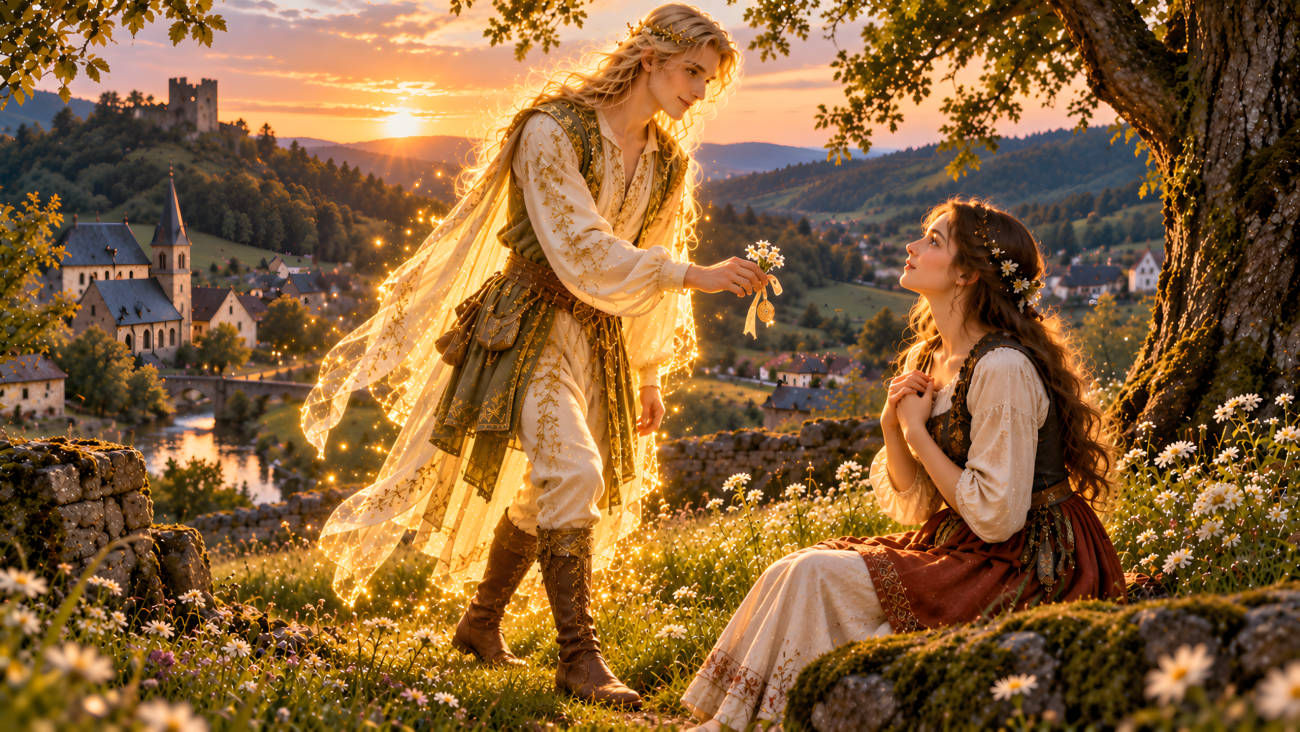
A Light Elf fell deeply in love with a young girl from Junglinster, and the two exchanged tokens of affection and lived together in the happiness of an innocent love. Their relationship eventually came to the attention of the local pastor, who regarded the elf as a heathen being. He strictly forbade the girl from having any further contact with him, threatening her with punishment both in this life and the next. The poor girl reluctantly promised to obey, but separating the lovers proved far more difficult than the pastor expected. The elf was not considered a devil or a spirit of Hell, so the usual means used against Satan and his servants seemed useless. Even locking the girl inside a convent would accomplish little, since elves were believed capable of slipping through the smallest keyholes.

The pastor therefore summoned an old and experienced shepherd and asked him for advice. The shepherd smiled and explained that the elf’s refined nature and delicacy had to be taken into account. He proposed that the girl prepare a small bread made from salt, lard, garlic, and sulfur. She was to eat the bread and, when the elf approached her again, discreetly press her flat hand against her body. The girl followed the shepherd’s instructions. That evening, the Light Elf appeared before his beloved with joy shining in his eyes, but as he approached her, she made the faintest sound.

The elf was immediately offended and fled in indignation. He never returned to the girl again, and their strange romance came to an end.


Sources

La Fontaine, Edmond de. Luxemburger Sagen und Legenden. Luxembourg: Jos. Beffort, 1882.


Elf of Sterpenich

Tradition: Luxembourgish Mythology
Alternative Names: Wichtelchen of Sterpenich, Elf of Sterpenich
Category: Elf, Dwarf


The Myth

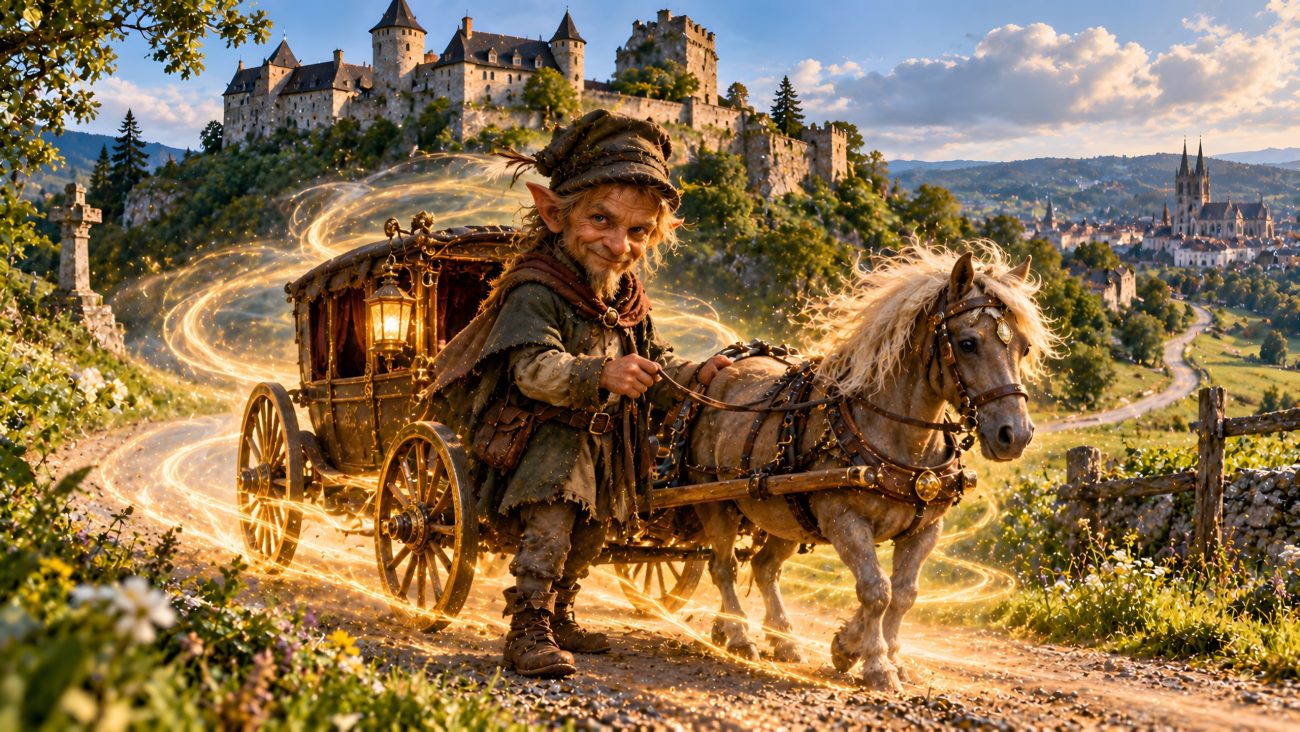
The Elf of Sterpenich was a small supernatural being who appeared to a poor serf near the castle of Sterpenich. In ancient times, the village did not yet exist and only a castle stood there, inhabited by a cruel nobleman who spent his days thinking of ways to torment his impoverished subjects. One day, the nobleman ordered one of his serfs to carry a letter to Metz and return with the answer within thirteen hours, before sunset. The task seemed completely impossible, but terrified of immediate punishment, the poor man set out at once. Beyond the first hill, however, he encountered an elf waiting with a small carriage and a team of horses.

The elf took the serf into his carriage and drove him to Metz and back with incredible speed, allowing him to complete the impossible journey. When they reached the castle again, the elf gave the serf a final message for his cruel master: he was to deliver the requested answer, but also tell the nobleman that the elf himself would come that very day to collect him and carry him into eternity. The serf repeated the message exactly as instructed. When the lord heard the elf’s warning, he cried out in terror, asking whether he was going to die, and immediately collapsed and died.

Afterward, the name Sterpenich remained attached to the castle and later to the village that grew around it. The little elf therefore became part of the legend explaining the place’s name, appearing as a mysterious supernatural messenger who punishes the cruel lord while rescuing the helpless servant from an impossible task.


Sources

“Das Wichtlein von Sterpenich.” SAGEN.at – Traditionelle Sagen aus Luxemburg. Reproduced by SAGEN.at.
https://www.sagen.at/texte/sagen/luxemburg/Wichtlein_Sterpenich.html


Maa-alused

Tradition: Estonian Mythology
Alternative Names: –
Category: Elf


The Myth

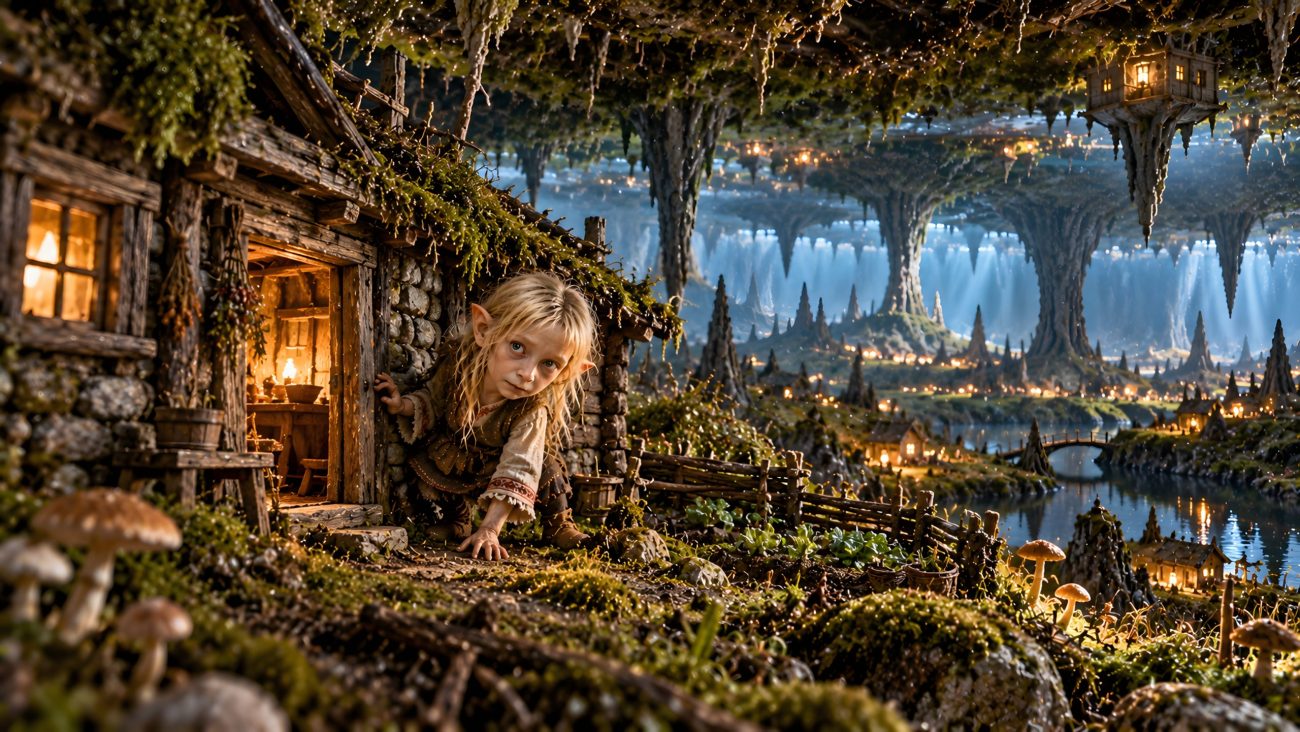
The Maa-alused are mysterious elf-like creatures in Estonian folk religion who live beneath the ground. They are believed to possess a world of their own beneath the human world, existing alongside humanity in a strange parallel reality.

Their underground world follows rules that are the opposite of those of humans. Directions are reversed, so that what is above in the human world is below in theirs, while left becomes right. Everything belonging to the Maa-alused is also smaller than its human counterpart, making their underground existence a diminished mirror of the world above.


Sources

“Awes-kon-wa.” Wikipedia: The Free Encyclopedia. Wikimedia Foundation. Accessed October 4, 2026. https://en.wikipedia.org/wiki/Awes-kon-wa