Wildeman

Tradition: Dutch Mythology
Alternative Names: Wild Man, Wilde Man
Category: Forest Dweller


The Myth

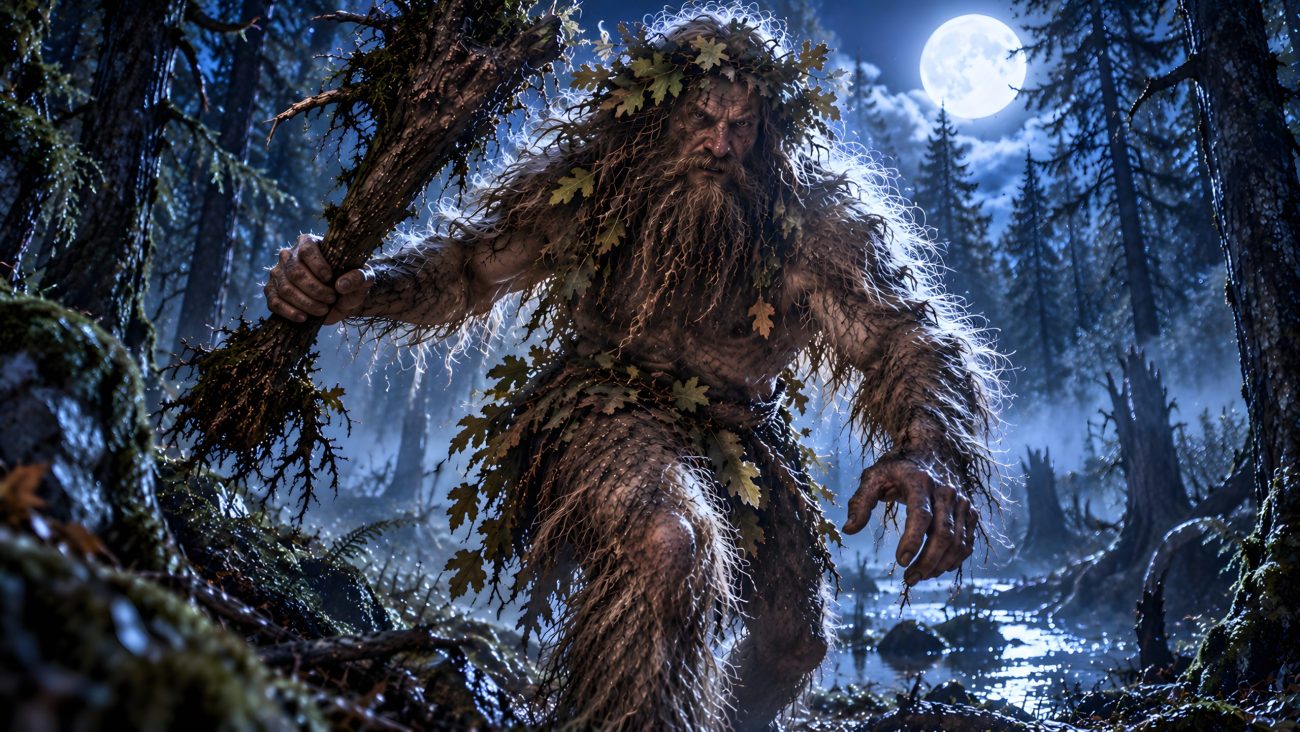
The Wildeman is a wild, powerful humanoid who lives alone in the depths of the forest. His entire body is covered in thick hair, and he behaves in a savage, uncontrolled manner. He usually wears little clothing, with an apron of oak leaves around his waist and a wreath of leaves around his head. In his hand, he carries a heavy club or an uprooted young tree, which serves as a weapon and a symbol of his immense strength. Despite his uncivilized appearance and wild behavior, the Wildeman is not necessarily evil and may possess a noble heart.

In an Overijssel fairy tale, the Wildeman is portrayed as an extraordinarily strong and uncivilized savage who lives alone in the woods. Despite his rough nature, he helps his brother marry a princess, demonstrating that kindness and loyalty can exist beneath his fearsome exterior. The Wildeman also appears in the sixteenth-century Dutch prose romance of Malegijs. In this tale, the enchantress Oriande discovers a Wildeman on an island. After she shaves him, he is revealed to be a handsome man. He eventually marries the fairy Crisiole in the mountain of the elves.

The Wildeman also appears in heraldry, where his powerful, untamed figure serves as a symbol on coats of arms. He is represented in the heraldic traditions of cities including Sneek, ‘s-Hertogenbosch, Antwerp, and Bergen op Zoom. Occasionally, a wild woman appears alongside or in place of him. Through these stories and representations, the Wildeman embodies the untamed strength of the wilderness, while his occasional acts of loyalty and nobility reveal a more honorable nature beneath his savage appearance.


Sources

“Van aardmannetje tot zwarte juffer: Een lijst van Nederlandse en Vlaamse elfen en geesten.” Abe de Verteller. https://abedeverteller.nl/van-aardmannetje-tot-zwarte-juffer-een-lijst-van-nederlandse-en-vlaamse-elfen-en-geesten/
Hantsje Plus

Tradition: Dutch Mythology
Alternative Names: Hantsje Pik
Category: Forest Dweller


The Myth

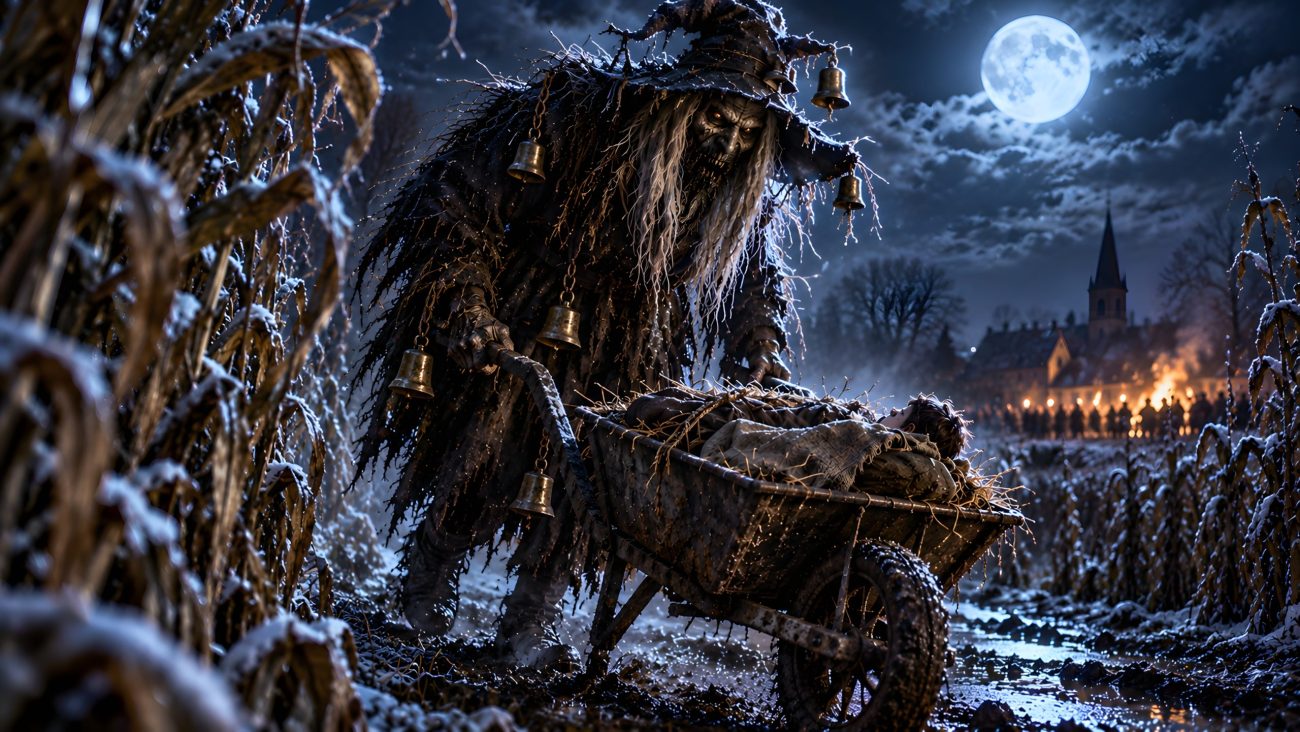
Hantsje Plus is a frightening bogeyman from Frisian folklore who wanders through the cornfields with a wheelbarrow. He is feared for abducting naughty children and those who stray into the fields, carrying them away in his wheelbarrow. His presence serves as a warning to children to behave themselves and stay away from places where they might encounter the mysterious figure.

Hantsje Plus was also associated with a traditional winter celebration held in the Frisian Woodlands shortly before Christmas. During this festival, people rang bells, made loud noises, and built a large bonfire. The noisy festivities were dedicated to Hantsje Plus, whose figure remained part of local winter customs. In the village of Grou, he was known as the black servant of Sint Pieter. His alternative name, Hantsje Pik, was also used as a name for the Devil, linking the bogeyman with darker supernatural traditions.


Sources

“Van aardmannetje tot zwarte juffer: Een lijst van Nederlandse en Vlaamse elfen en geesten.” Abe de Verteller. https://abedeverteller.nl/van-aardmannetje-tot-zwarte-juffer-een-lijst-van-nederlandse-en-vlaamse-elfen-en-geesten/


Woutermannetje

Tradition / Region: Dutch Mythology
Alternate Names: Woatermankes, Woudhermannekens, Wouterkens
Category: Gnome, Forest dweller


The Myth

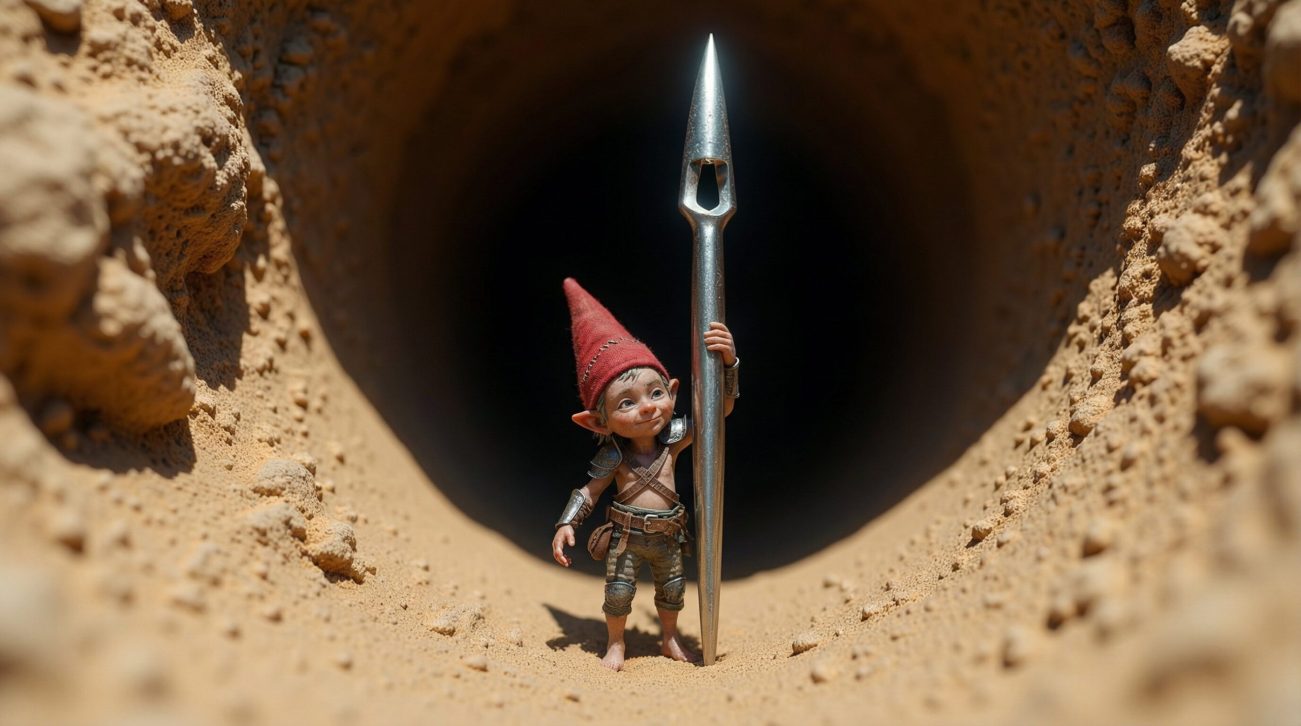
On the island of Ameland, people once spoke—half in fear, half in warning—of the Woutermannetjes, tiny man-like beings who lived among the dunes and in the nearby woods. They were said to come out at night, when paths were quiet and travelers were alone.

Those who wandered after dark risked an unpleasant encounter. The Woutermannetjes would creep close and prick walkers in the legs with pins, or, as later told to children, bite their legs without being seen. The pain was sudden and sharp, leaving the victim frightened and confused, never quite sure what had struck them.

Children, especially, were warned about them. Parents would say: “Be careful, or the woatermankes will take you away.” In this way, the little beings became part of everyday discipline and night-time fear, lurking just beyond the dunes or trees.

What the Woutermannetjes truly were was never entirely clear. Some believed their name came from water, making them spirits of wet ground and dunes. Others thought it came from woud—the forest—making them woodland beings. Older traditions blur the distinction even further. In earlier centuries, similar creatures were described as house spirits, helpers and tricksters who lived close to humans, while at the same time being linked to fauns or wild spirits of nature.

Thus the Woutermannetjes stood on a boundary: between house and wilderness, safety and fear, water and wood. Small, unseen, and sharp-toothed or sharp-pinned, they remained figures used to explain night terrors, restless dunes, and the uneasy feeling of being watched when walking alone after dark.


Sources

Abe de Verteller contributors. (n.d.). Van aardmannetje tot zwarte juffer: Een lijst van Nederlandse en Vlaamse elfen en geesten. In Abe de Verteller, from https://abedeverteller.nl/van-aardmannetje-tot-zwarte-juffer-een-lijst-van-nederlandse-en-vlaamse-elfen-en-geesten/