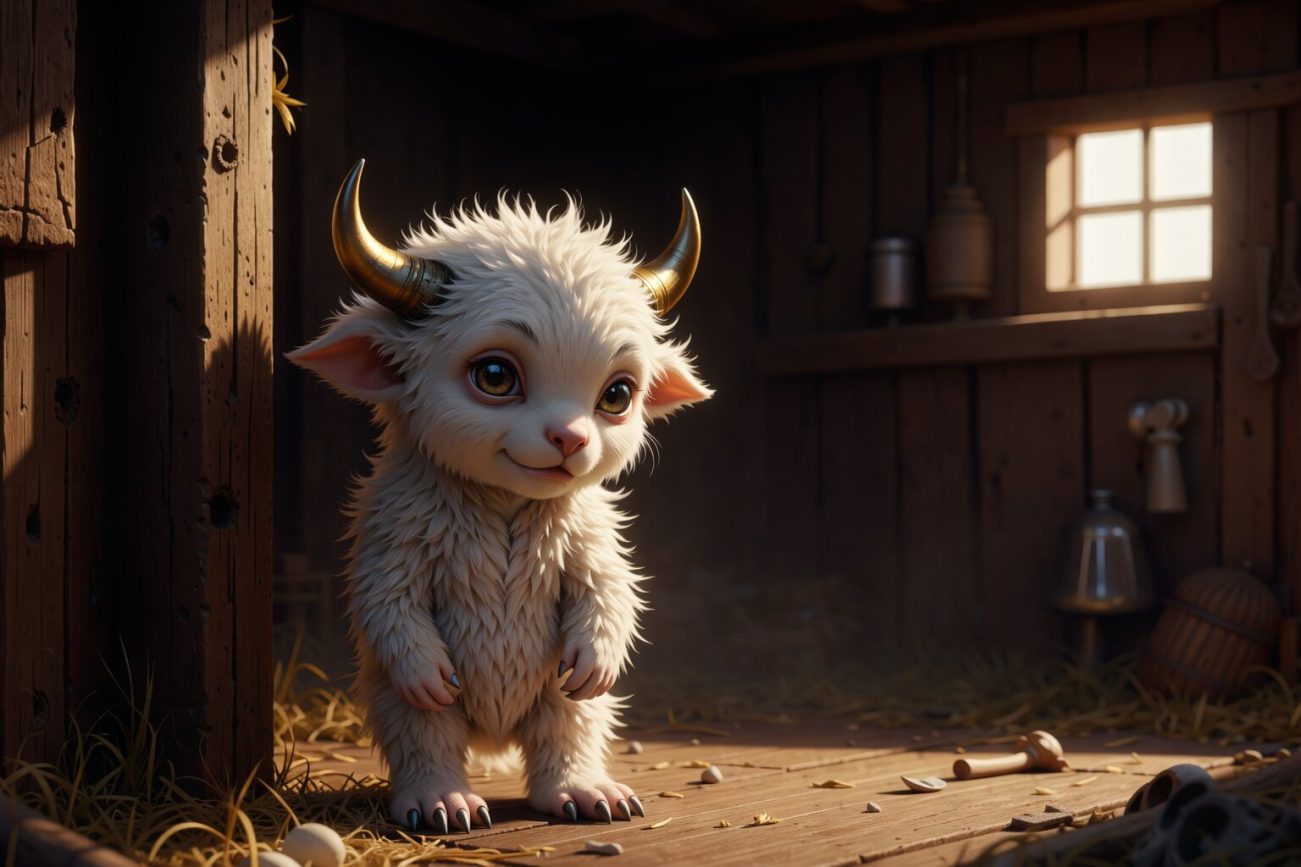
Shatans

Tradition / Region: Belarusian Mythology
Alternate Names: Shatany
Category: Spirit


The Myth

Shatans are strange, odd-looking beings known in Belarusian folklore. They are not considered evil or dangerous, but are instead symbols of idleness and laziness, representing a life without purpose or direction.

Shatans live in a mindless and aimless way. From morning until night, they wander about without any clear goal, never engaging in useful work. Their constant roaming serves no purpose, and those who encounter them may feel drawn into the same pointless drifting, becoming distracted or restless themselves.

They are unable to communicate properly, even among their own kind. When shatans meet one another, they do not form friendships or cooperation. In moments of danger or difficulty, they do not help each other, nor do they attempt to offer rescue or support. Each shatan exists alone, isolated even when surrounded by others.

In folklore, more aggressive supernatural beings—such as witches or other angry spirits—are said to mock, torment, or harass shatans. Being timid and cowardly, shatans usually flee or hide rather than defend themselves. In some tales, they are even killed by hostile spirits, unable or unwilling to protect themselves.

When shatans grow tired of their endless wandering, they sometimes sit down to spin bast shoes. These shoes, however, wear out very quickly, as the shatans soon return to their ceaseless roaming. The repeated making and wearing out of shoes reflects the futility of their existence—work done without meaning, undone almost as soon as it is completed.

Through the figure of the shatan, folklore presents a quiet warning: a life spent without effort, purpose, or responsibility leads only to exhaustion, vulnerability, and emptiness.


Gallery


Sources

Wikipedia contributors. (n.d.). Shatans. In Wikipedia, The Free Encyclopedia, from https://en.wikipedia.org/wiki/Shatans


Interpretive Lenses

Religious Readings
  • Christian Ascetic Deep Dive
Philosophical Readings
  • Nietzschean Deep Dive
Psychological Readings
  • Jungian Deep Dive
Esoteric Deep Dive
  • Hermetic Deep Dive
Political / Social Readings
  • Marxist Deep Dive
Other
  • How to Invite The Shatans

Lesavki

Tradition / Region: Belarusian Mythology
Alternate Names: Lesavkas
Category: Forest dweller, Spirit


The Myth

Lesavki are described as small forest spirits in East Slavic folklore. According to some accounts, they are said to be the children of the Leshy and the Kikimora; in other versions, they are described as the Leshy’s grandfather and grandmother, reflecting differing traditions about their origin and place within the forest world.

In appearance, lesavki are said to be very small, gray, and hedgehog-like, resembling little shaggy balls of hair. They live hidden among last year’s fallen leaves on the forest floor, where they are easily overlooked. Their presence is more often sensed than seen.

Their period of activity lasts from late summer until mid-autumn. During this time, lesavki are constantly in motion: they revel, dance in circles, lift leaves, rustle, and scurry about, filling the forest with quiet movement and soft, restless sounds. After exhausting themselves, they are said to wash and then fall into a long sleep, remaining dormant for an extended period.

Lesavki are known for their mischievous behavior toward humans. They may lead travelers astray, sprinkle dust onto their heads, or wrap them in cobwebs, causing confusion and disorientation in the forest. Those who wander carelessly may suddenly lose their way, unaware that lesavki are nearby, quietly playing their tricks.

Through these stories, lesavki appear as small but active spirits of the forest floor, embodying its hidden life, movement, and playful danger, and reminding humans that the woods are never truly empty or still.


Gallery


Sources

Bestiary.us contributors. (n.d.). Lesavki. In Bestiary.us, from https://www.bestiary.us/Lesavki


Interpretive Lenses

Religious Readings
  • Christian Ascetic Deep Dive
Philosophical Readings
  • Nietzschean Deep Dive
Psychological Readings
  • Jungian Deep Dive
Esoteric Deep Dive
  • Hermetic Deep Dive
Political / Social Readings
  • Marxist Deep Dive
Other
  • How to Invite The Lesavki