Tradition / Region: Welsh Mythology
Alternative names: Fuwch Gyfeiliorn, The Stray Cow, Milk-White Cow
Category: Cow
The Myth
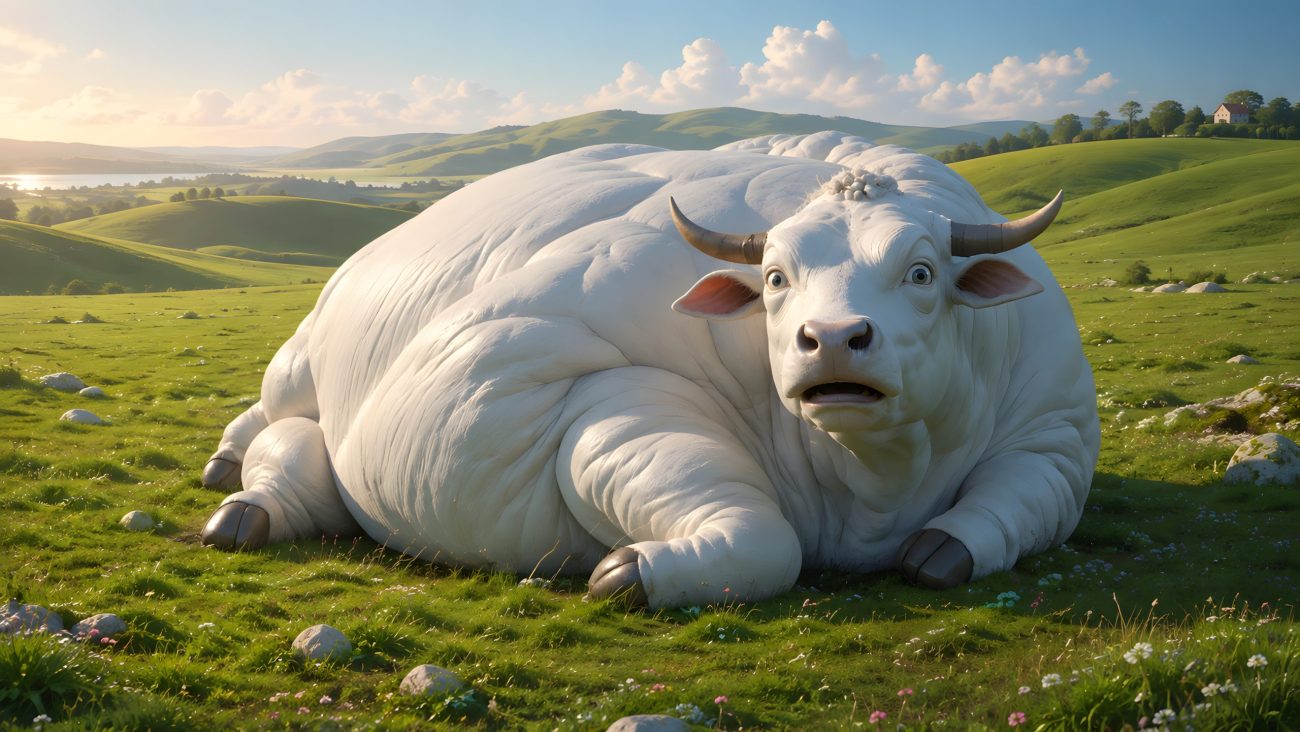
The Fuwch Gyfeilior was a beautiful milk-white cow belonging to the Gwragedd Annwn, the fairy women who lived around Llyn Barfog near Aberdyfi. The fairy women were said to appear at dusk dressed in green and accompanied by milk-white hounds and herds of supernatural white cattle.
One day, a poor farmer living near Dyssyrnant discovered that one of the fairy cows had wandered away from the lake and joined his own herd. He managed to catch her and kept her among his cattle.
The cow transformed the farmer’s fortunes. Her milk was extraordinarily abundant, and the butter and cheese made from it were better than anything previously seen in the region. Her calves were equally remarkable, and the farmer soon became wealthy and possessed a great herd of cattle.
As the Fuwch Gyfeilior grew older, however, the farmer decided that she had become too old to keep. He resolved to fatten her for slaughter. The cow became enormously fat, and when the day of her killing arrived, neighbors gathered to watch the enormous animal being butchered.
The cow was tied down while the butcher prepared to strike. Despite her mournful cries, the farmer ordered him to continue. The butcher raised his club and struck the cow between the eyes.
At that moment, a terrible cry rang across the hills. The blow passed through the cow’s supernatural body and knocked down nine men standing nearby, while the butcher was thrown into a frantic spin.
High above the lake, a green fairy woman appeared upon a rocky crag. She called out to the enchanted cow and summoned her back to the lake. The Fuwch Gyfeilior immediately rose and returned to the fairy women.
Her descendants followed her. All of the cow’s offspring from the third and fourth generations vanished from the farmer’s herd and disappeared over the hills with her.
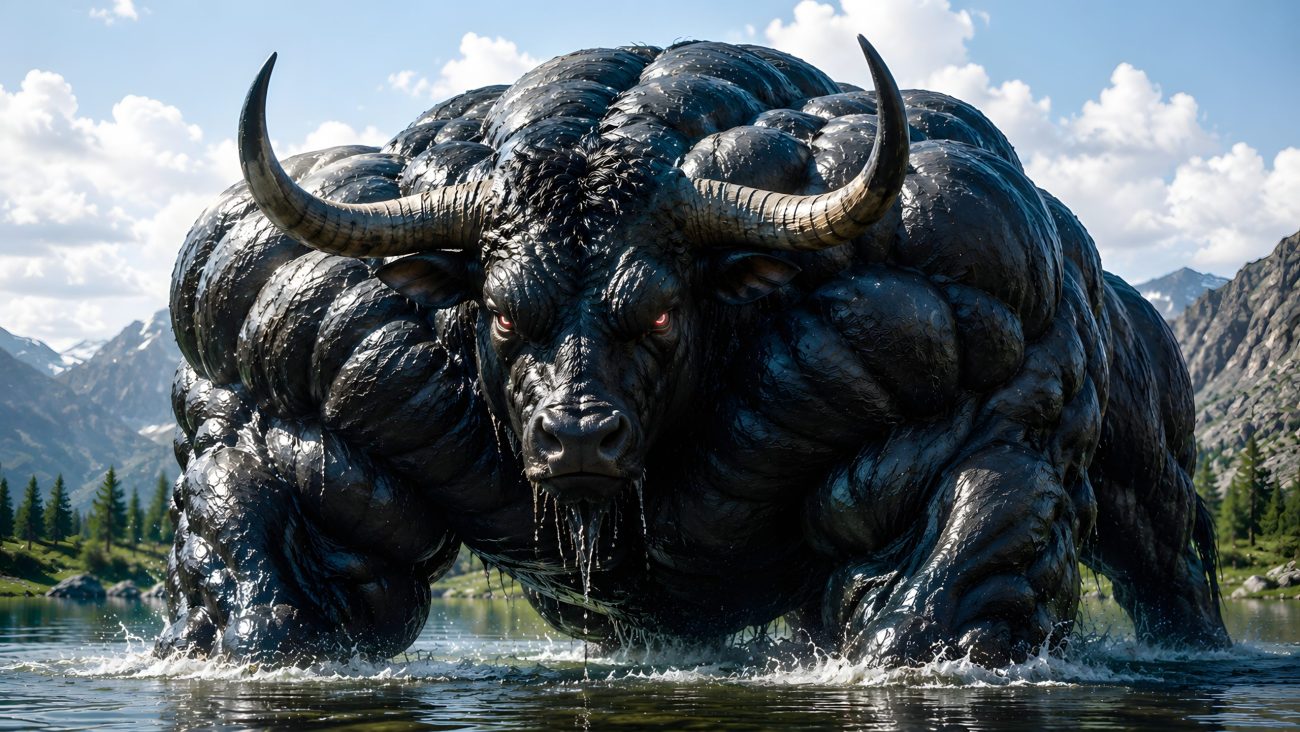
Only one cow remained. The animal, once milk-white, had mysteriously turned completely black. The farmer, having lost his entire fortune, was overcome with despair and drowned himself in Llyn Barfog.
The black cow remained behind and became the ancestor of the Welsh Black cattle.
Another tradition tells of a miraculous milk-white cow that could provide milk for everyone who asked for it, no matter how many times she was milked. Those who drank her milk were healed of illness and became wiser and happier. The cow traveled throughout Britain, leaving calves wherever she went, until people in the Vale of Towy attempted to kill her for her meat. Before they could do so, she vanished from their hands and was never seen again.
Sources
Sikes, W. (2017). British Goblins: Welsh Folk-Lore, Fairy Mythology, Legends and Traditions (Classic Reprint), Forgotten Books, p. 37.