Thayé

Tradition / Region: Myanmar Mythology
Alternative names: Tasei
Category: Ghost


The Myth

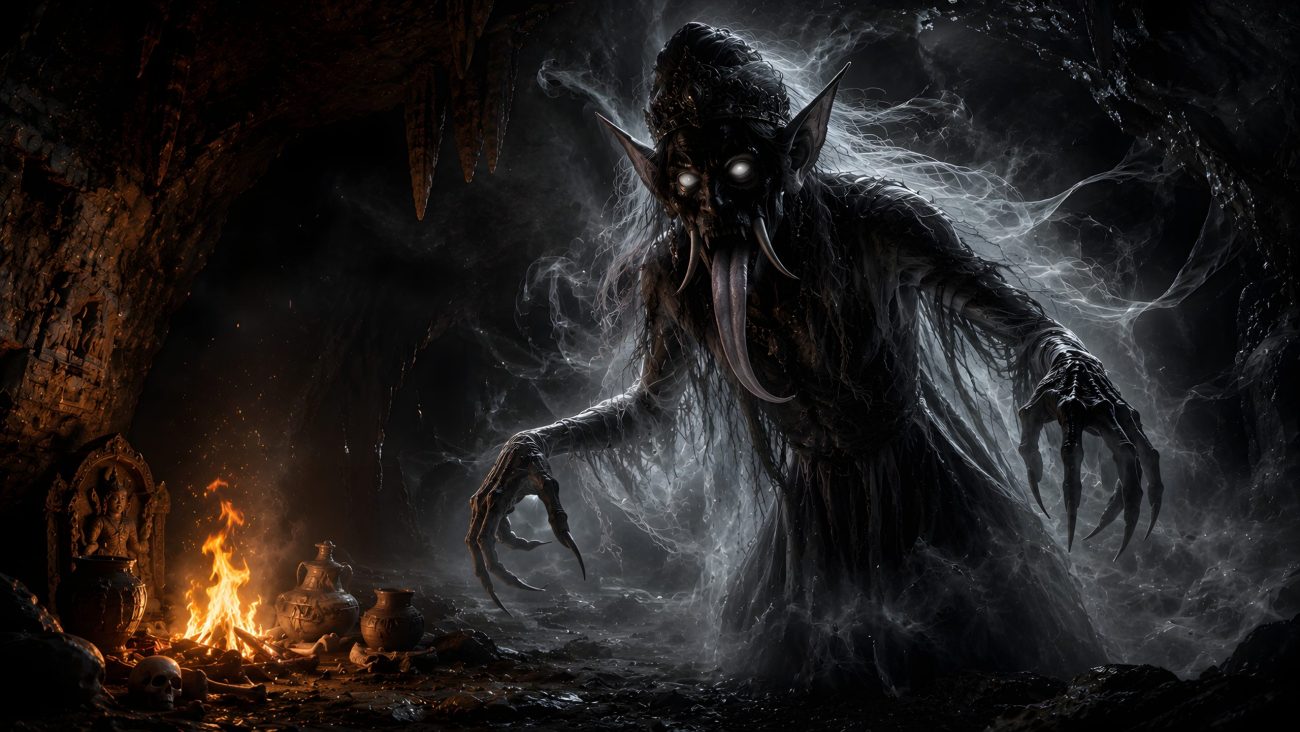
The Thayé are the spirits of wicked people who, after death, are condemned to wander as disembodied ghosts. Feared throughout Myanmar, they are believed to roam both towns and countryside, bringing misfortune and disease to the living.

Thayé are often described as terrifying figures. They appear as tall, dark beings with enormous ears, long tongues, and tusk-like teeth. However, no two are necessarily alike, and they are said to possess many forms. Some are slender male ghosts, while others appear as strange female spirits, including bloated pregnant ghosts with fat white bodies and oversized ears.

These spirits are most active around noon and during the night. In rural areas, people traditionally blamed them for outbreaks of sickness and epidemics, believing that Thayé spread diseases such as cholera and smallpox among villages.

Because of their varied appearances, travelers could never be certain what form a Thayé might assume. Some appeared monstrous and unmistakable, while others took more human shapes, making them difficult to recognize until it was too late.

Thus, the Thayé are remembered as the restless ghosts of evil people, condemned after death to wander the world and bring suffering upon the living.


Sources

Wikipedia contributors. (n.d.). Thayé. In Wikipedia. Retrieved June 20, 2026, from https://en.wikipedia.org/wiki/Thay%C3%A9

Lau

Tradition / Region: Indian Mythology, Myanmar Mythology
Alternative names: Chauga (South Andaman languages), Inene (among the Onge)
Category: Ghost


The Myth

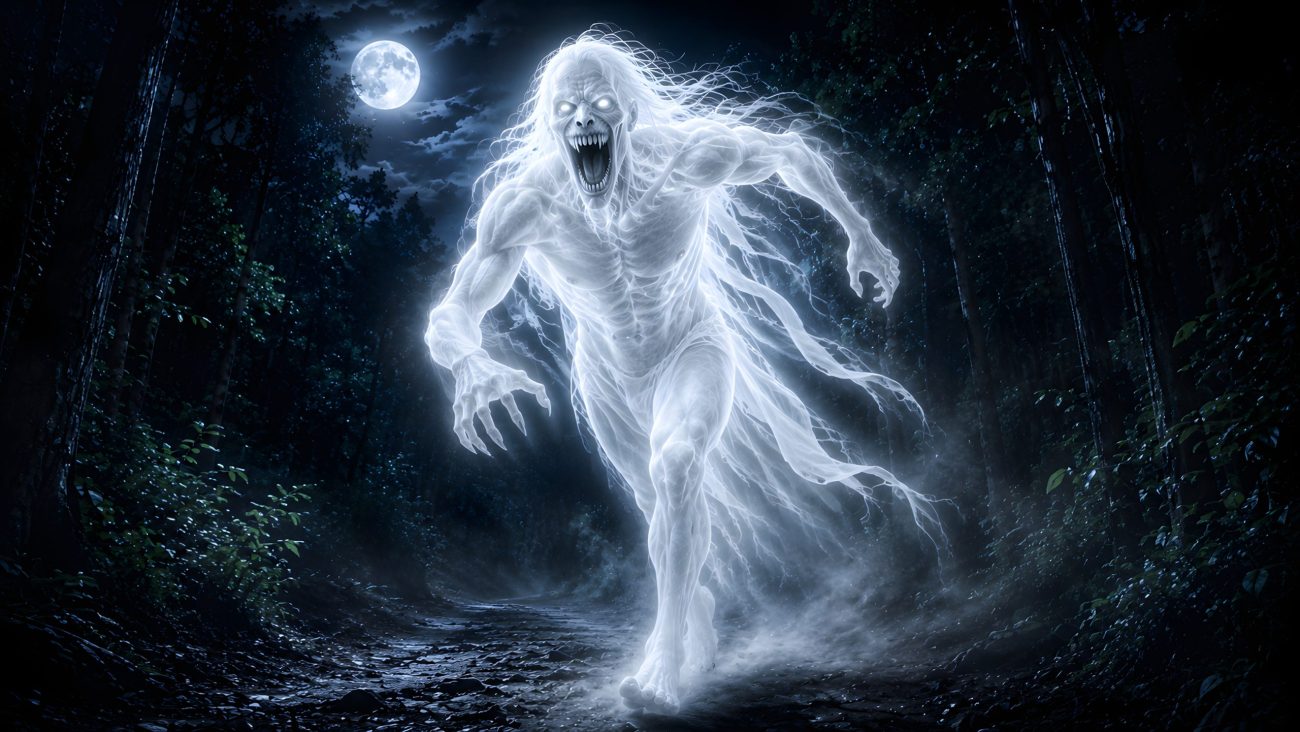
The Lau are the spirits of the dead in the traditions of the indigenous peoples of the Andaman Islands. They are regarded as invisible beings or as pale, white-skinned figures with frightening appearances. Rather than referring to a single creature, the name Lau serves as a general term for the ghosts of the deceased.

Among the peoples of South Andaman, these spirits were also known as Chauga. They were believed to be uncanny beings whose appearance differed greatly from that of ordinary humans. Their strange pale complexion and frightening nature made them objects of fear and caution.

The terms Lau and Chauga were also used to describe foreigners such as mainland Indians, Europeans, and other outsiders. Because these strangers possessed lighter skin than the islanders, they were sometimes viewed as resembling the ghostly dead. Black Africans, however, were considered entirely human in appearance and were not included in this category.

Similarly, among the Onge people, the word Inene referred to pale-skinned people and was also used for the spirits of warriors who had died natural deaths.

Thus, the Lau are remembered as the ghostly dead of the Andaman Islands—terrible pale spirits whose appearance was so distinctive that even unfamiliar foreigners were sometimes associated with them.


Sources

Bestiary.us. (n.d.). Lau. In New Bestiary: Encyclopedia of Imaginary Beings. Retrieved June 20, 2026, from https://www.bestiary.us/lau