Tradition: Jah Hut Mythology, Malaysian Mythology
Alternative Names: Maggot Spirit; Bès Kěmwar Jě’la; Bès Kěmwar Sòk; Bès Kěmwar Těrbang
Category: Insect
The Myth
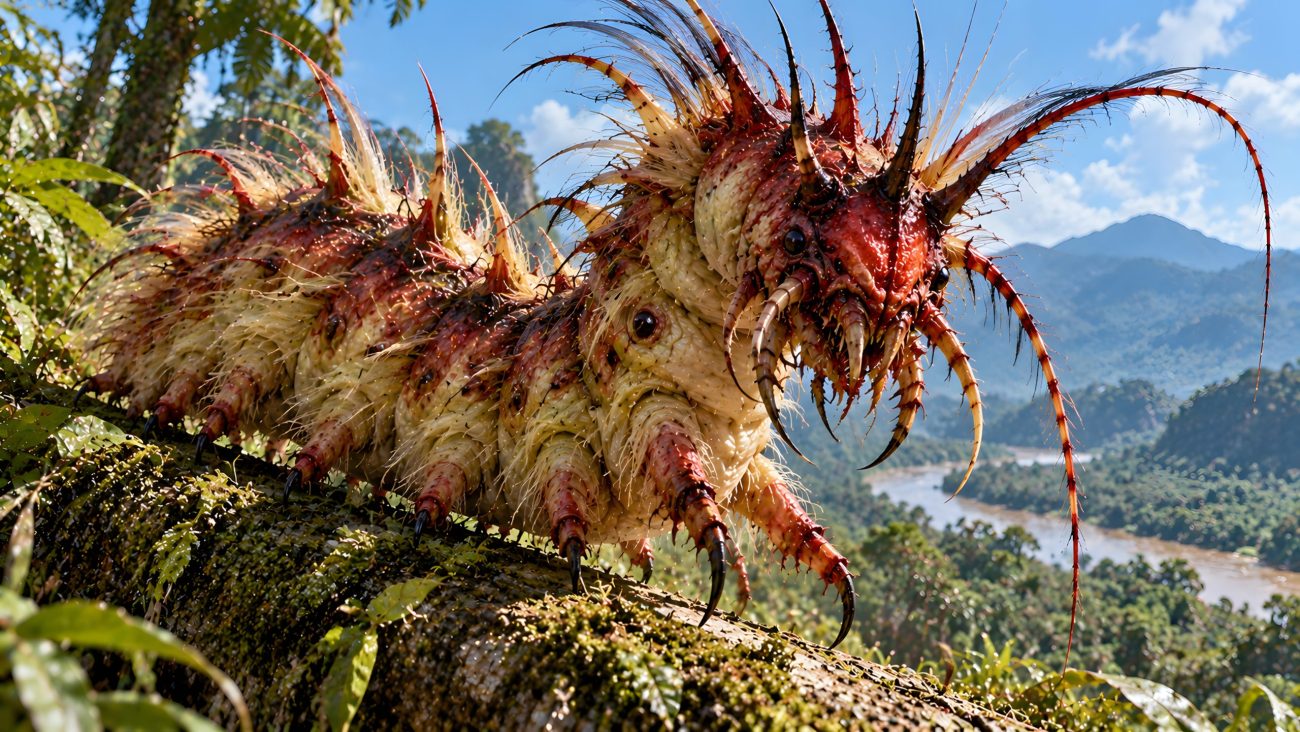
The Bès Kěmwar, or maggot spirit, is one of the many disease spirits known to the Jah Hut people of Malaysia. It can appear as a maggot or caterpillar, with different forms distinguished by features such as hair, thorns, and wings. These spirits inhabit vegetation and trees, feed on crops, and inflict painful illnesses on humans. Some cause aches in the bones, joints, and muscles, while others bring swelling, itching, throat irritation, and hair loss.
One kind of maggot spirit lives in rotten tree trunks, where it feeds on the decaying wood. Anyone approaching its fallen tree risks being bitten on the leg. The bite causes redness, swelling, and itching, and eventually all the victim’s toenails fall off. According to the account, the swelling disappears after two or three months. Another variety lives beside rivers and appears only during the jungle-fruit season in February. It flies onto the heads of elderly people, causing their hair to fall out.
The tip-of-leaf maggot spirit feeds on coconut and rice leaves, threatening cultivated crops. To protect the plants, a pawang, or ritual specialist, blesses them with a pounded mixture of daun setawa and kunyit mulai. The mixture is burned to ashes, which are then scattered over the plantation.
Bès Kěmwar Jě’la, the thorny-maggot spirit, lives on leaves and causes restlessness and rheumatism. Bès Kěmwar Sòk, the hairy caterpillar spirit, lives at the tips of tree branches. Its hairs may fall into drinking water, causing irritation and swelling in the throat. A poyang can cure the affliction in its early stages, but untreated victims eventually die because they can no longer eat or drink.
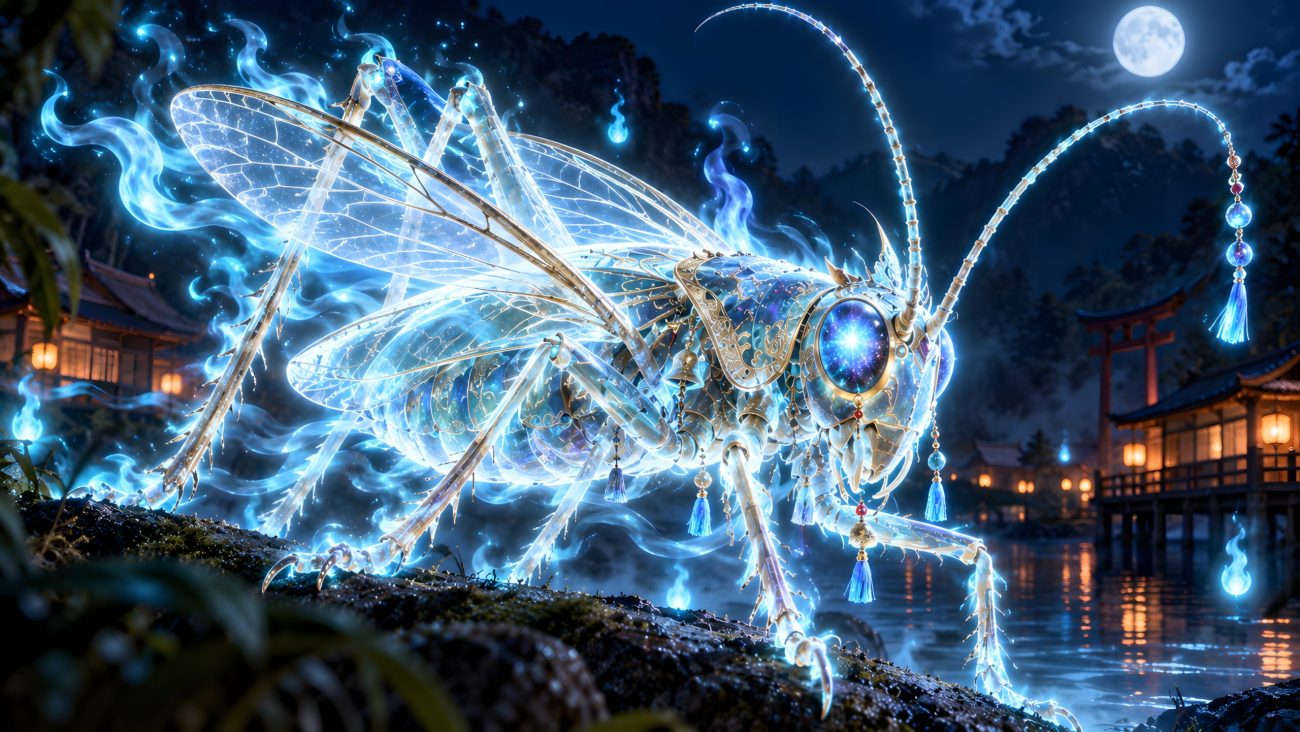
Bès Kěmwar Těrbang, the flying-maggot spirit, lives in bushes and feeds on the leaves of the daun mengkirai tree. Its urine and faeces fall onto people passing beneath the tree, causing baldness and swelling. At night, it flies onto house roofs and opens them up. Children who see its eyes reflecting like mirrors become terrified and cry. Burning daun-kesim is said to keep this nocturnal spirit away.
Sources
“Bes Kemwar.” A Book of Creatures, April 17, 2020. https://abookofcreatures.com/2020/04/17/bes-kemwar/