Miramas

Tradition / Region: Persian Mythology, Iranian Mythology
Alternative names: Mir Amas
Category: Horse


The Myth

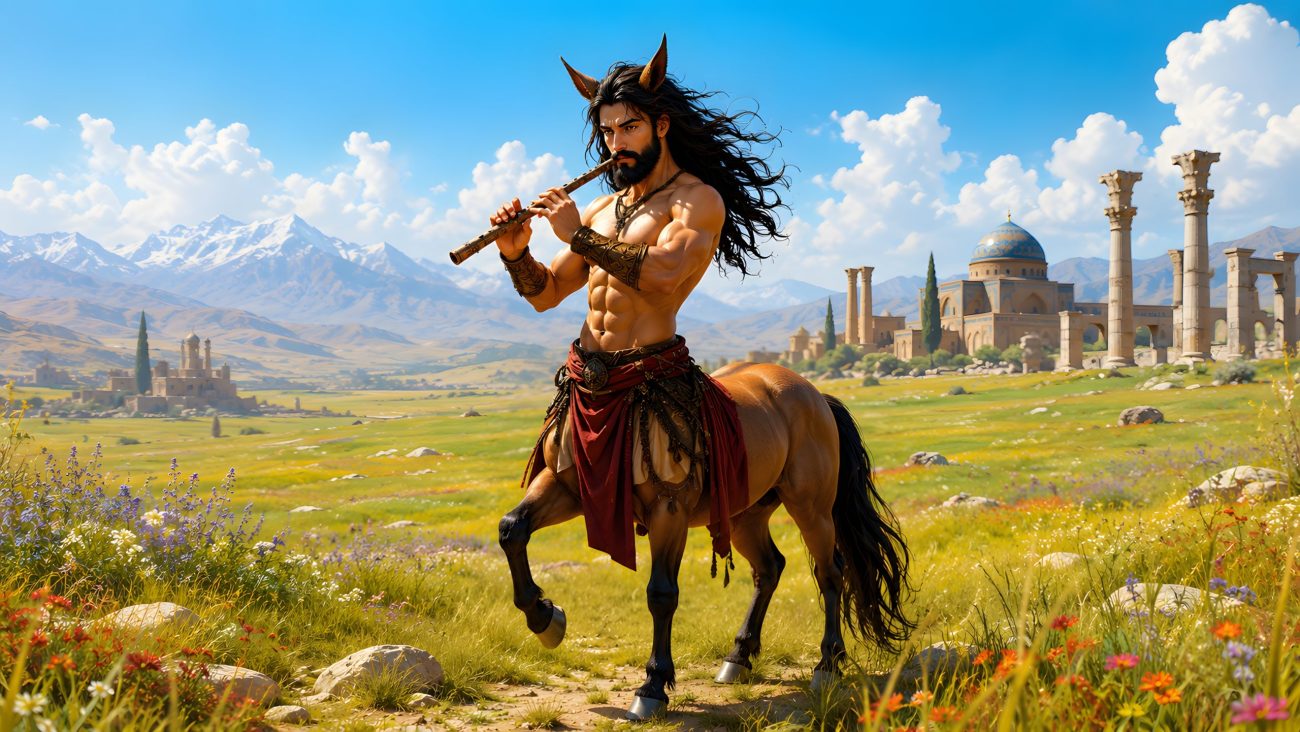
Miramas is a legendary half-man, half-horse creature described in classical Persian texts. It is said to dwell in the far west, beyond the inhabited world, where Persian sources identify its homeland with the western sea.

From the head to the waist, Miramas resembles a human, while its lower body is that of a horse.

Miramas is renowned for its beautiful singing. Its melodies are so enchanting that every living creature nearby loses consciousness upon hearing them. If no living being is present, Miramas itself is overcome by its own song and falls unconscious.

The creature is mentioned in the Book of Wonders (Aja’ib-nameh), particularly in the section Al-Bahria, attributed to Fazuni Astarabadi. Beyond this account, little is recorded about Miramas, and no further traditions concerning its origin or role in Persian mythology are known from the surviving sources.


Sources

Bestiary.us. (n.d.). Miramas. In New Bestiary: Encyclopedia of Imaginary Beings. Retrieved June 29, 2026, from https://www.bestiary.us/miramas/en

Karkadann

Tradition / Region: Persia, Arabia, India, Iran
Alternative names: Karkaddan, Kardunn, Karkadan, Karkend
Category: Horse


The Myth

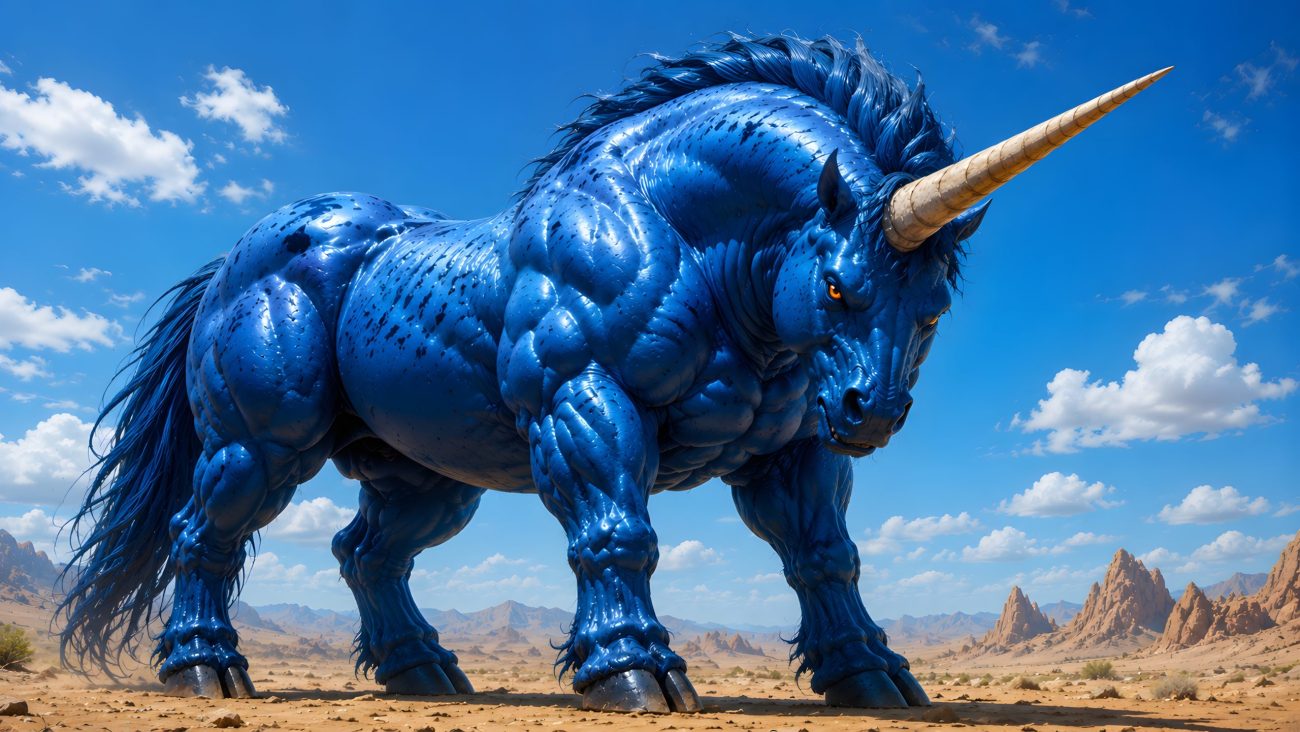
The Karkadann is a legendary beast from Persian and Arabic tradition, originally based on the Indian rhinoceros but gradually transformed into a mythical creature resembling a unicorn.

Early descriptions portray it as a powerful animal with the body of a buffalo, thick black scaly skin, donkey-like ears, three-toed feet, and a single horn growing from its nose. Later traditions changed its appearance, giving it a long, straight horn growing from its forehead, making it increasingly resemble the unicorn of medieval legend.

The Karkadann was feared for its ferocity. It was said to attack and drive away even elephants, fiercely defending its territory. Despite its savage nature, it could be calmed and subdued by a virgin, a motif that later became closely associated with the European unicorn.

Its horn was believed to possess extraordinary medicinal powers. It could detect or neutralize poison, cure ailments such as epilepsy and lameness, relieve constipation, and serve as a powerful antidote against toxins. Because of these properties, the horn was highly prized and was sometimes fashioned into knife handles and other valuable objects.

In later Persian and Arabic folklore, the Karkadann became the mythical counterpart of the rhinoceros—a wild and dangerous beast whose miraculous horn combined immense destructive power with the ability to heal and protect.


Sources

Wikipedia contributors. (n.d.). Karkadann. In Wikipedia. Retrieved June 29, 2026, from https://en.wikipedia.org/wiki/Karkadann