Oceanids

Tradition: Greek mythology
Alternative Names: Oceanides, Ōkeanídes (Ὠκεανίδες); singular: Oceanid, Ōkeanís (Ὠκεανίς)
Category: Nymph


The Myth

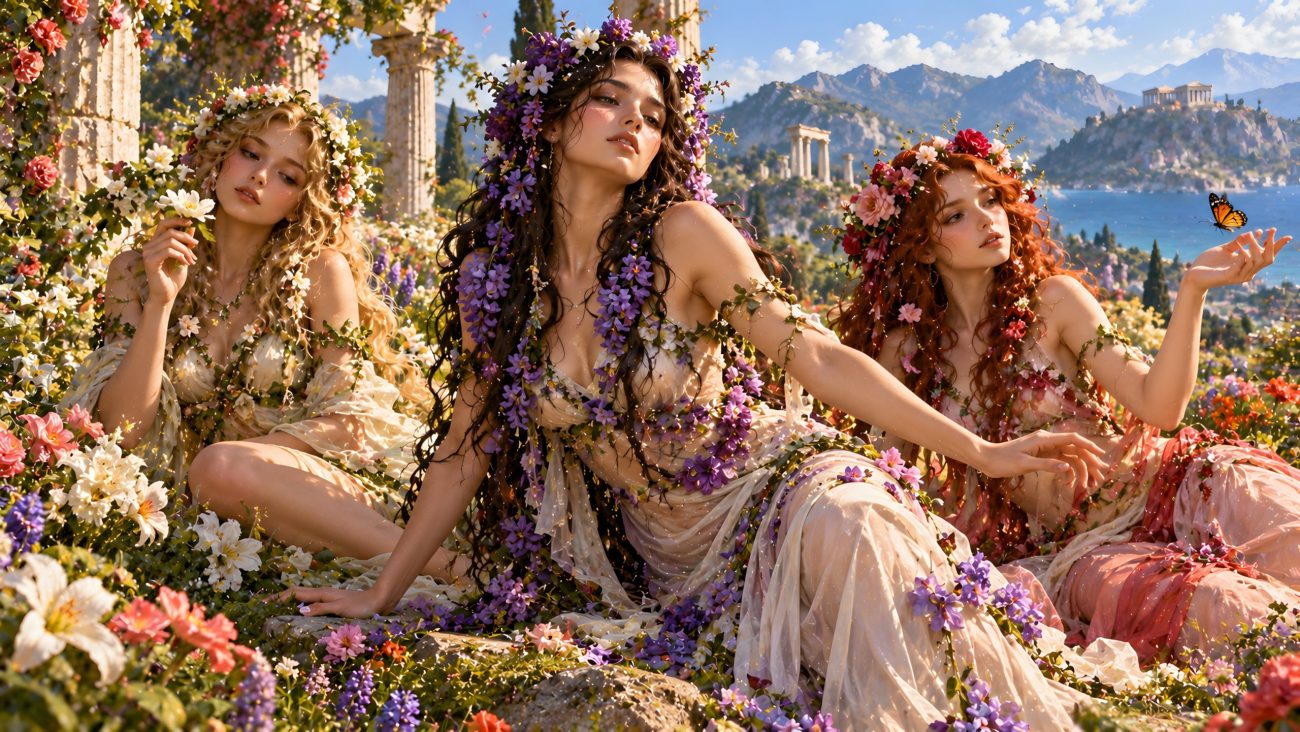
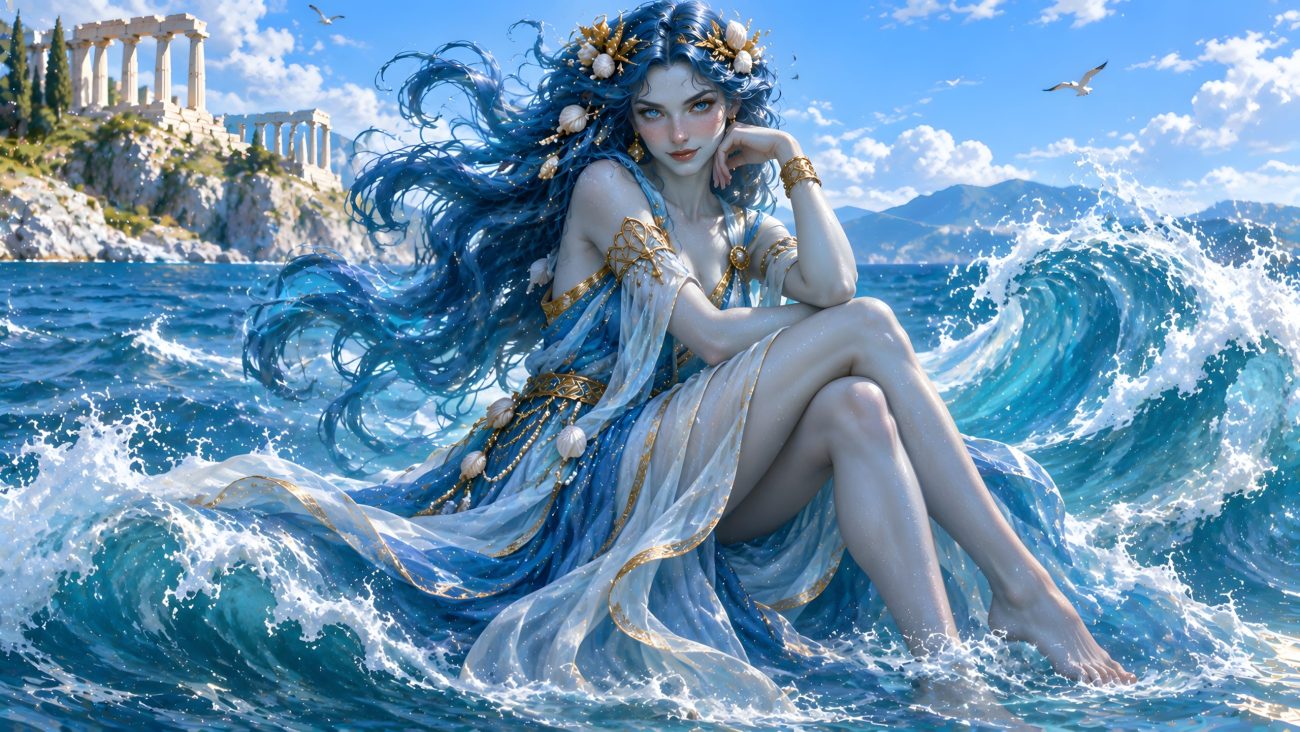
The Oceanids were three thousand nymphs in Greek mythology, the daughters of the Titans Oceanus and Tethys. Their number was understood to mean that they were innumerable. Their father was the great primordial river that encircled the world, while their mother was a sea goddess. Their brothers, also numbering three thousand, were river gods who personified the world’s great rivers.

The Oceanids were primarily associated with water, particularly springs and freshwater sources. According to Hesiod, they were scattered throughout the world, serving both the earth and the deep waters. In the Argonautica of Apollonius of Rhodes, the Argonauts became stranded in the Libyan desert and prayed to the sacred nymphs of Oceanus to reveal a spring or a stream emerging from the earth.

The Oceanids were not restricted to a single role, however, and some had little apparent connection to water. Certain Oceanids became important goddesses in their own right. Metis, the personification of intelligence and wisdom, was Zeus’s first wife and the mother of Athena. Zeus swallowed Metis while she was pregnant, after which Athena emerged from his head. Doris, another Oceanid, was an important sea goddess and became the wife of Nereus and mother of the fifty Nereids. Styx, described by Hesiod as the eldest and most important Oceanid, personified the underworld river of the same name.

Other Oceanids became wives or lovers of gods and Titans, establishing important divine lineages. Eurynome, one of Zeus’s wives, became the mother of the Charites, or Graces. Clymene married the Titan Iapetus and bore Atlas, Menoetius, Prometheus and Epimetheus. Electra became the wife of the sea god Thaumas and the mother of Iris and the Harpies. Perseis married the sun god Helios and became the mother of Circe and Aeetes, the king of Colchis. Idyia married Aeetes and became the mother of Medea, while Callirhoe married Chrysaor and became the mother of Geryon. Other Oceanids, including Europa and Asia, were associated with geographical regions rather than bodies of water.

The Oceanids also had an important role in protecting and watching over the young. Hesiod describes them as a sacred company of daughters appointed by Zeus to care for youths alongside Apollo and the river gods. Their duties extended beyond the natural world, making them attendants and guardians within the divine order.

Sailors regularly honoured the Oceanids through prayers, libations and sacrifices, seeking their protection against storms and other dangers at sea. Before beginning their voyage to Colchis in search of the Golden Fleece, the Argonauts offered flour, honey and sea water to the ocean deities, sacrificed bulls and prayed for protection during their dangerous journey. The Oceanids were also described as companions of Persephone at the time of her abduction by Hades.

The Oceanids could serve particular goddesses as well. Artemis requested sixty Oceanids, each nine years old, to form her personal choir and serve as her attendants. They were expected to remain virgins and accompany the goddess in her service.

Through their many forms and responsibilities, the Oceanids represented far more than springs and streams. They were connected to the world’s waters, the care of the young, divine families, sacred places and the protection of travellers. Their vast number reflected their widespread presence throughout the mythological world.


Sources

Wikipedia contributors. (n.d.). Oceanids. In Wikipedia, from https://en.wikipedia.org/wiki/Oceanids
Nereids

Tradition: Greek mythology
Alternative Names: Nereides, Nērēḯdes, Nērēḯs (singular)
Category: Nymph


The Myth

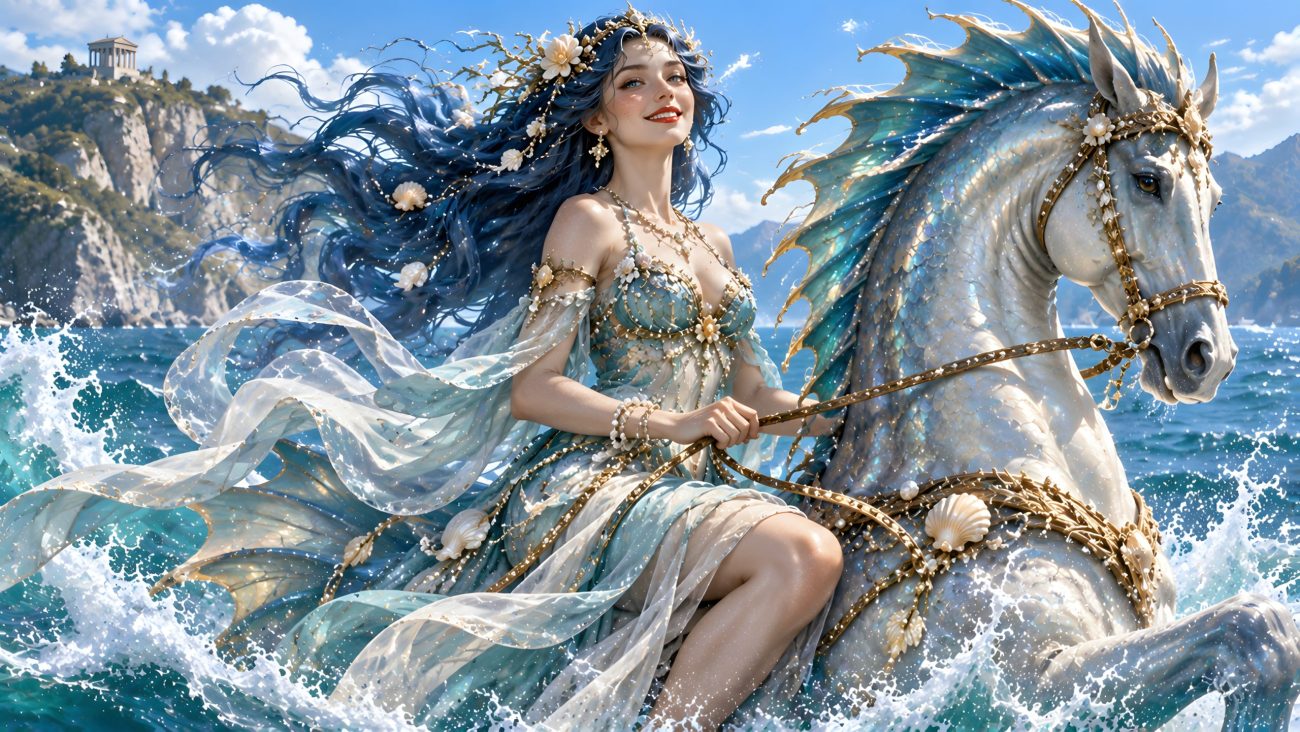
The Nereids were fifty sea nymphs in Greek mythology, the daughters of Nereus, known as the Old Man of the Sea, and the Oceanid Doris. They were sisters to their brother Nerites and were associated with the waters of the sea.

The Nereids often accompanied Poseidon, the god of the sea, and were sometimes depicted riding sea creatures alongside him. They were generally friendly and helpful toward sailors, offering assistance to those travelling across the waters. Among their legendary acts was helping the Argonauts during their quest for the Golden Fleece.

The Nereids were represented in ancient art as graceful sea spirits connected to the beauty and power of the ocean. Their presence in mythology reflected the many aspects of the sea, from its gentle and welcoming waters to its mysterious depths.


Sources

Wikipedia contributors. (n.d.). Nereids. In Wikipedia, from https://en.wikipedia.org/wiki/Nereids


Limnades

Tradition: Greek mythology
Alternative Names: Limnads, Limnades (Λιμνάδες)
Category: Nymph


The Myth

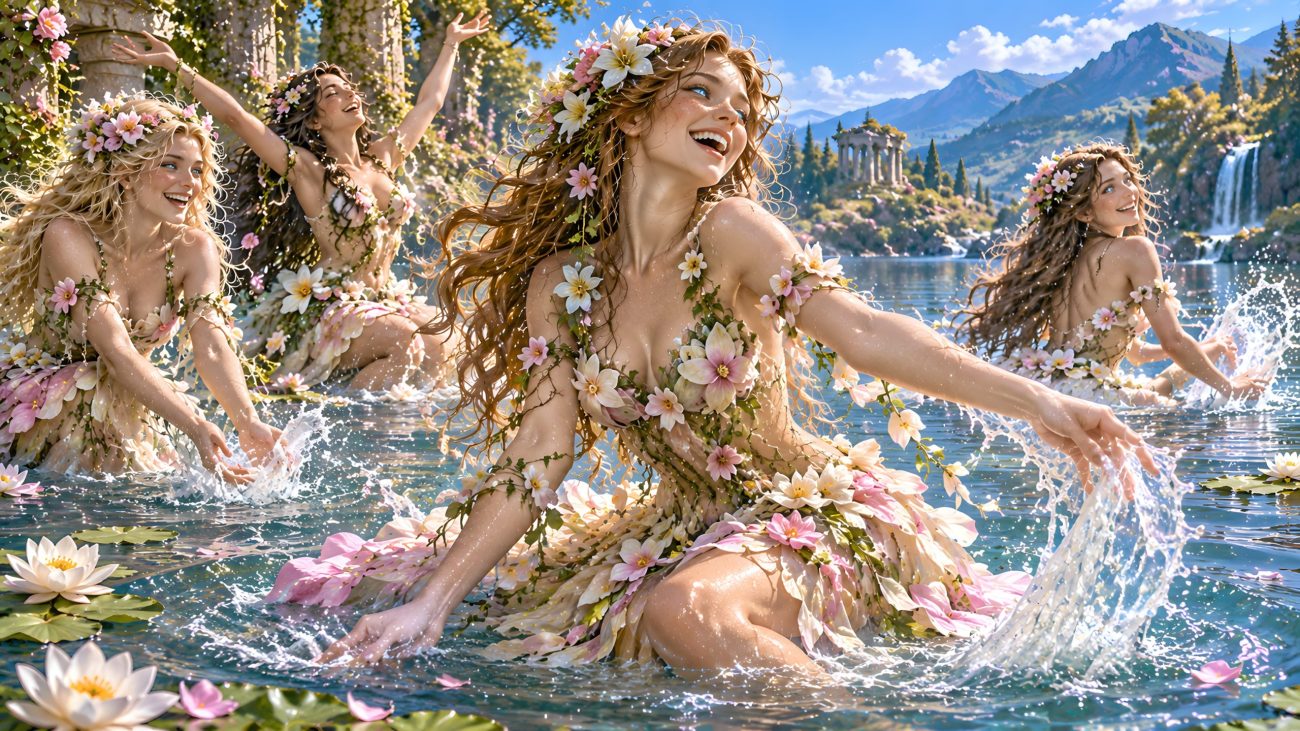
The Limnades were a group of nymphs mentioned in the Idylls of the ancient Greek poet Theocritus. Their name is associated with lakes, and they are described in Neil Hopkinson’s English translation as the “Nymphs of the lake.”

Like other nymphs in Greek mythology, the Limnades belonged to the supernatural world associated with nature. Their name connects them to lakes and the waters that formed part of the Greek landscape. However, surviving references provide little further information about their appearance, individual identities, powers, or the myths associated with them.

The Limnades remain a relatively obscure group of Greek nymphs, known primarily through their brief appearance in Theocritus’s poetry.


Sources

Wikipedia contributors. (n.d.). Limnades. In Wikipedia, from https://en.wikipedia.org/wiki/Limnades


Dryad

Tradition: Greek mythology
Alternative Names: Dryas (singular); Hamadryads, Meliae, Daphnaiai (related types of tree nymphs)
Category: Nymph


The Myth

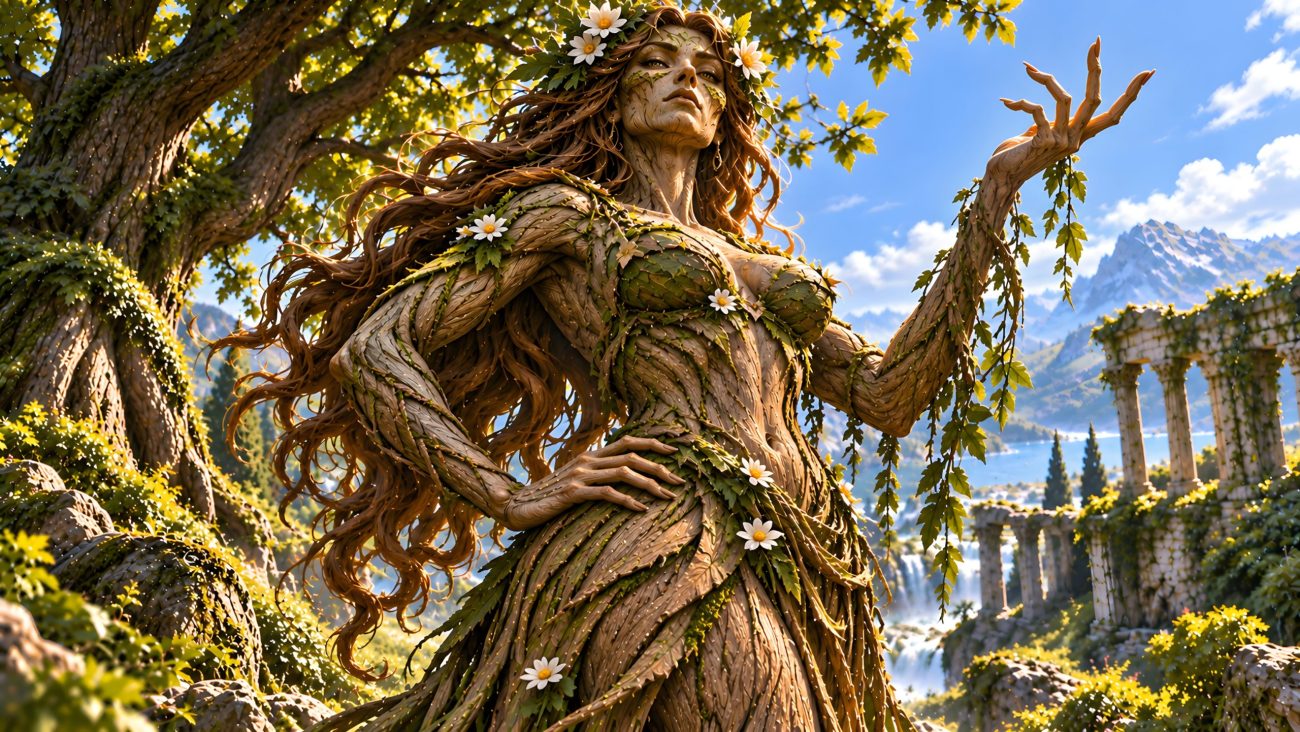
The Dryads were tree nymphs in Greek mythology, originally associated especially with oak trees. Their name derives from the ancient Greek word drys, meaning “tree” and, more specifically, “oak.” Over time, the term dryad came to be used more broadly for female spirits associated with trees and woodlands.

Like other nymphs, most Dryads were believed to live extraordinarily long lives. However, a particular group known as the Hamadryads shared a much closer bond with the natural world. Each Hamadryad was inseparably connected to an individual tree, and her life depended upon its survival. If her tree died, she died with it. This sacred connection meant that harming trees could have supernatural consequences. According to myth, Dryads and the Greek gods punished mortals who damaged trees without first appeasing the spirits associated with them.

Different kinds of tree nymphs were associated with particular species. The Meliae were nymphs of ash trees. According to Hesiod’s Theogony, they were born from Gaia after she was made fertile by the blood of Uranus following his castration. The Meliae also played a role in the infancy of Zeus, with the sisters caring for the young god in Rhea’s cave on Crete.

The Daphnaiai were nymphs associated with laurel trees. Their existence reflects the Greek tendency to imagine individual trees and kinds of vegetation as inhabited or protected by divine female spirits.

Through their intimate connection with trees, the Dryads embodied the life and sacredness of the forest. Their stories warned mortals that the natural world was not merely a resource to exploit, but a realm inhabited by powerful beings whose lives could be bound to the trees themselves.


Sources

Wikipedia contributors. (n.d.). Dryad. In Wikipedia, from https://en.wikipedia.org/wiki/Dryad


Auloniads

Tradition: Greek mythology
Alternative Names: Auloniades, Auloníades; related to the Roman Napeae
Category: Nymph


The Myth

The Auloniads were nymphs in Greek mythology associated with mountain pastures, valleys, and ravines. Their name derives from the ancient Greek aulṓn, meaning a valley, gorge, or narrow mountain pass. These nature spirits inhabited the wild landscapes of the Greek countryside, where they were often found in the company of Pan, the god of shepherds and flocks.

The Auloniads were imagined as graceful maidens who moved swiftly through valleys and across mountains. Their footprints were light with dew, and they appeared and vanished among flower-covered slopes. They danced with Pan, raised ritual cries, and moved harmoniously over rocky terrain, their voices echoing through the surrounding mountains. Their presence was closely connected to the untamed beauty and vitality of the natural world.

These nymphs were also associated with springs, forests, and mountain pastures. Described as fragrant maidens dressed in white, they were accompanied by gentle breezes and were regarded as protectors of grazing lands. They were friendly towards wild animals and associated with the abundance of nature, including the production of rich fruits. Their enjoyment of cool mountain environments further emphasized their connection to the refreshing landscapes of valleys and highlands.

In Latin sources, nymphs inhabiting valleys were known as Napeae. Greek mythological literature also used other names for female nature spirits associated with forests, groves, valleys, caves, and ravines, including the Alseids, Limoniads, and Oreads. These names reflected the different landscapes inhabited by the nymphs, although such groups were not necessarily associated with a particular type of plant.

The Auloniads are mentioned in only one known ancient source, making them a relatively obscure group within Greek mythology. Nevertheless, their description preserves a vivid image of the Greek countryside as a living landscape, filled with supernatural maidens whose dancing, voices, and movements animated the valleys and mountain pastures.


Sources

Wikipedia contributors. (n.d.). Auloníade. In Spanish Wikipedia, from https://es.wikipedia.org/wiki/Aulon%C3%ADade


Krenaiai

Tradition: Greek mythology
Alternative Names: Krenaiads
Category: Nymph


The Myth

The Krenaiai are nymphs of Greek mythology associated with springs. Like other water nymphs, they belong to the divine world of nature, inhabiting places where fresh water rises from the earth.

Little else is known about the Krenaiai. Their surviving description identifies them by their connection to springs, leaving their individual names, appearances, and myths largely unknown. They remain part of the wider family of Greek nymphs, supernatural beings associated with the natural features of the world.


Sources

Wikipedia contributors. (n.d.). Nymph. In Wikipedia, from https://en.wikipedia.org/wiki/Nymph#List


Hamadryad

Tradition: Greek mythology
Alternative Names: Hamadryas; Hamadryades (plural)
Category: Nymph


The Myth

The Hamadryads are tree nymphs in Greek mythology whose lives are bound to particular trees. Unlike spirits that merely dwell among the trees, a Hamadryad shares the fate of the tree to which she belongs. If her tree flourishes, she lives; if it is cut down or dies, she perishes with it. For this reason, harming a tree could mean killing the nymph within it, bringing the wrath of the gods upon the person responsible.

The bond between a Hamadryad and her tree was understood to be inseparable. Their name combines the ancient Greek words háma, meaning “together,” and dryás, meaning “tree” or “wood nymph.” Some traditions distinguish Hamadryads from ordinary Dryads by describing the Hamadryad as the tree itself, while the Dryad is the spirit dwelling within it.

The connection between these nymphs and their trees appears in the Homeric Hymn to Aphrodite, which describes the trees associated with them as beautiful, flourishing, and tall. The vitality of the tree reflects the vitality of the nymph, whose existence is inseparable from the natural world.

Mortals who encountered Hamadryads could earn their favour by protecting their trees, but those who damaged them risked terrible consequences. In one story, the hero Rhoecus saved an oak tree and was offered a reward by its nymph. He chose to become her lover, but his crude speech eventually caused her to maim him. In another tale, a young man damaged a tree belonging to a nymph, bringing a curse upon himself and his family. The seer Phineus later advised his descendants to offer sacrifices to the offended spirit.

Several Hamadryads were associated with particular kinds of trees and plants. According to a tradition recorded by Athenaeus, Oxylus and Hamadryas were the parents of eight nymphs: Karya, associated with the walnut; Balanos, with the acorn; Kraneia, with the cornel tree; Morea, with the oleaster; Aigeiros, with the poplar; Ptelea, with the elm; Ampelos, with the vine; and Syke, also called Sykea, with the fig tree. Other figures described as Hamadryads include Atlanteia, Chrysopeleia, Phoebe, Byblis, and Dryope.

The Hamadryads embodied the sacred bond between living trees and the divine. To destroy their trees was not merely to damage nature, but to threaten the life of a spirit whose fate was woven into the wood itself.


Sources

Wikipedia contributors. (n.d.). Hamadryad. In Wikipedia, from https://en.wikipedia.org/wiki/Hamadryad


Lamia

Tradition: Greek Mythology
Alternative Names: Lamiai, Mormo, Gello
Category: Nymph


The Myth

Lamia was once a beautiful queen of Libya who caught the attention of Zeus, the king of the gods. The two became lovers and had children together, but Zeus’s wife, Hera, discovered their affair and took revenge on Lamia. In different versions of the myth, Hera kidnapped Lamia’s children, killed them, or drove Lamia to kill them herself. Overwhelmed by grief, Lamia descended into madness and began hunting and devouring other people’s children. Her beauty faded as she became a terrifying monster, forever associated with the loss of children and a mother’s unbearable sorrow.

Zeus granted Lamia certain supernatural powers, including prophecy and the ability to remove her own eyes and put them back whenever she wished. Some stories explain this strange gift as a way to ease her suffering, since Hera had cursed her with sleeplessness or the inability to close her eyes. Lamia could also change her appearance, making her a particularly frightening and unpredictable figure.

Over time, the name Lamia came to describe a broader class of terrifying spirits. These Lamiai haunted the night and were invoked by parents and nurses to frighten children into behaving. Like other bogeymen of ancient folklore, they were said to snatch and swallow children, sometimes even devouring them alive. In some traditions, Lamia became closely associated with Mormo and Gello, other frightening figures used to warn children against disobedience.

Later stories transformed Lamia into a seductive creature who preyed on young men. She could disguise herself as a beautiful woman, lure a victim into a false sense of security, and then feed on his flesh or blood. One famous tale tells of a mysterious woman who seduced Menippus of Lycia. The philosopher Apollonius of Tyana recognised that she was not human but an empousa, a supernatural being often associated with Lamiai. When he exposed her true nature, the luxurious mansion and wedding preparations she had created vanished, revealing the deception. The creature confessed that she had been fattening Menippus up because she desired the blood of young men.

Lamia’s monstrous nature was sometimes linked to serpents. In ancient stories and later interpretations, she could possess a snake-like body or other features that blurred the boundary between woman and beast. Her name also became associated with other terrifying female figures who preyed on the living.

The legend of Lamia endured for centuries, inspiring writers and artists long after the ancient Greek world had passed. She became a symbol of monstrous motherhood, dangerous seduction, and the fears surrounding children and the night. Her story also inspired John Keats’s poem Lamia, which draws on the tradition of the beautiful woman whose supernatural identity conceals a terrible secret.


Sources

Wikipedia contributors. (n.d.). Lamia. In Wikipedia, from https://en.wikipedia.org/wiki/Lamia


Napaeae

Tradition: Greek Mythology
Alternative Names: Napaeas, Valley Nymphs
Category: Nymph


The Myth

The Napaeae are nymphs of classical mythology who dwell in wooded valleys, hidden among trees and the peaceful slopes of the countryside. Their name comes from the Greek word napaios, meaning “of the valleys” or “of the wooded glens.” Unlike the Naiads, who inhabit freshwater, or the Dryads, who are associated with trees, the Napaeae are connected to the sheltered valleys where forests and meadows meet.

They are mentioned by Roman poets and writers, who describe them alongside other nymphs of the natural world. The Limoniads watch over meadows, while the Pediads inhabit plains. In Greek tradition, valley nymphs are also known as Auloniads.

The Napaeae appear in Virgil’s Georgics, where the nymphs who once accompanied Eurydice through sacred groves punish the beekeeper Aristaeus by sending a devastating plague upon his bees. His mother, Cyrene, advises him to offer gifts and beg their forgiveness, urging him to honour the merciful Napaeae so that they might set aside their anger. The story reveals that these seemingly peaceful spirits could bring misfortune upon those who offended them, but might also be appeased through offerings and reverence.

Other classical writers also invoke the Napaeae when describing the beauty and divinity of the natural world. The poet Columella calls upon nymphs dwelling in sacred groves, meadows, mountains, and springs, while Statius mentions the maidens of the valleys among the attendants who once surrounded Ismenis. Their presence in these works reflects the ancient belief that nature was filled with divine beings who watched over its many landscapes.

The Napaeae also appear in Don Quixote by Miguel de Cervantes. As Don Quixote prepares to perform his penance in the mountains of Sierra Morena, he calls upon the Napaeae and Dryads, asking them to listen to his sorrow without disturbing their peaceful woodland homes.


Sources

Wikipedia contributors. (n.d.). Napea. In Wikipedia, from https://es.wikipedia.org/wiki/Napea


Anthousai

Tradition: Greek Mythology
Alternative Names: Flower Nymphs
Category: Nymph


The Myth

The Anthousai are flower nymphs from Greek mythology, nature spirits whose beauty reflects the delicate splendour of blossoms. Their name is associated with flowers, and they are described as having hair resembling hyacinth blooms. Like other nymphs, they are connected to the natural world, embodying the beauty and vitality of the plants around them.

The Anthousai are among the different kinds of nymphs found in Greek mythology. While Naiads are associated with fresh water and Dryads with trees, the Anthousai are linked to flowers. They appear in the writings of Philostratus, where they are described among a group of nymphs encountered in a scene involving the god Pan. In the story, Pan attempts to approach the nymphs amorously, but they turn against him, restraining him and threatening to make Echo reject him.

Through their connection to flowers and their graceful appearance, the Anthousai represent the enchanting beauty of the natural world, while their encounter with Pan shows that even divine beings can face the resistance of the nymphs.


Sources

Fairbanks, A. (1931). Imagines. William Heinemann.