Beast of Dean

Tradition: English Mythology
Alternative Names: The Beast of the Forest of Dean
Category: Pig


The Myth

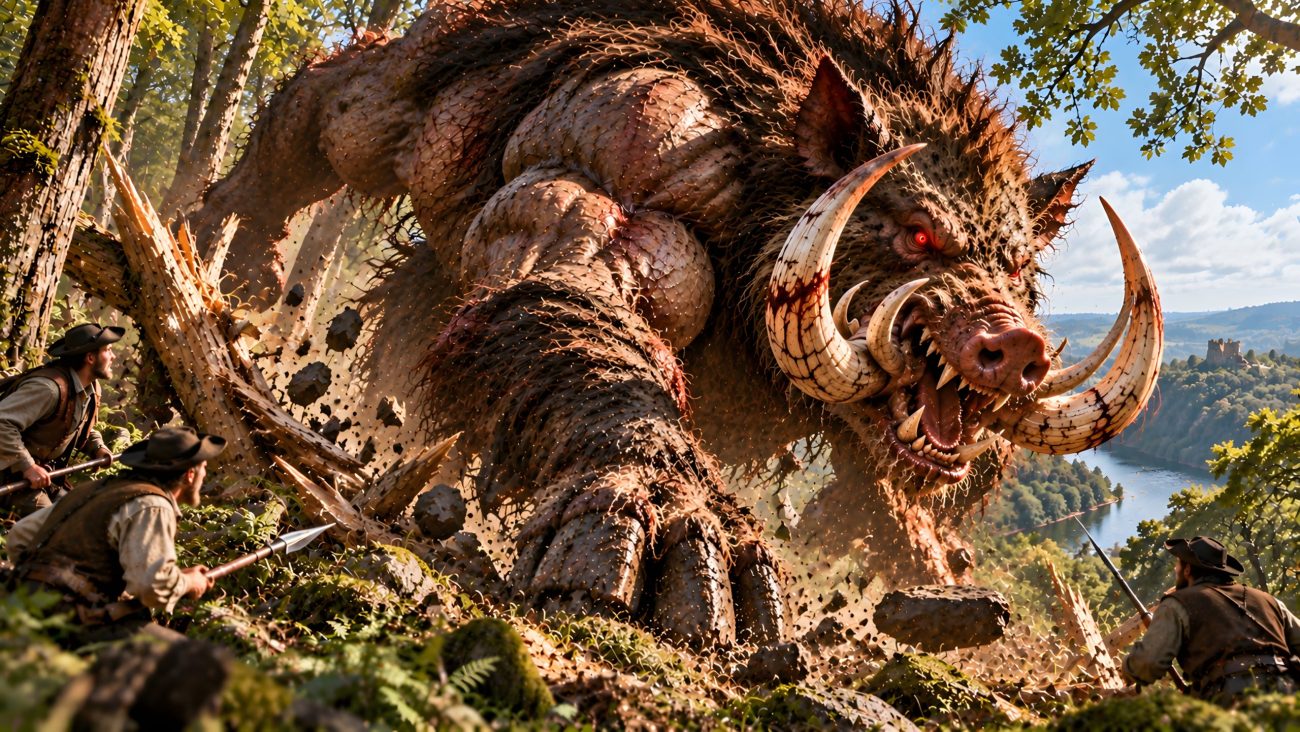
The Beast of Dean is a legendary animal said to inhabit the Forest of Dean in Gloucestershire, England, an ancient woodland bounded by the rivers Severn and Wye. Tales of the creature appear to have originated in the eighteenth or early nineteenth century. It was reportedly a gigantic wild boar, so powerful that it could knock down trees and hedges, and it became the subject of local attempts to hunt and kill it.

In 1802, farmers from the village of Parkend organized an expedition to capture and kill the beast. Their search was unsuccessful, and they found no animal matching the descriptions. Nevertheless, nineteenth-century accounts describe large populations of wild boar in the forest, with vast herds apparently allowed to forage there during autumn. These reports suggest that the legend may have developed around the region’s real wild boar population, although the existence of the enormous Beast of Dean has never been scientifically established.

The Beast continued to appear in later accounts of cryptozoology, whose proponents sometimes suggested that it was a real but scientifically unknown animal. Wild boar still inhabit the Forest of Dean, but there is no scientific evidence that a creature matching the legendary descriptions ever existed. In 2007, the science-fiction television series Primeval reimagined the Beast as a living gorgonopsid, a prehistoric predator that had travelled from the Permian Period into the modern world through a wormhole.


Sources

“Beast of Dean.” Wikipedia: The Free Encyclopedia. Wikimedia Foundation. Accessed October 27, 2026.

Pig-Faced Women

Tradition: English Mythology, Dutch Mythology, French Mythology
Alternative Names: Pig-Faced Lady, Pig-Faced Woman
Category: Pig


The Myth

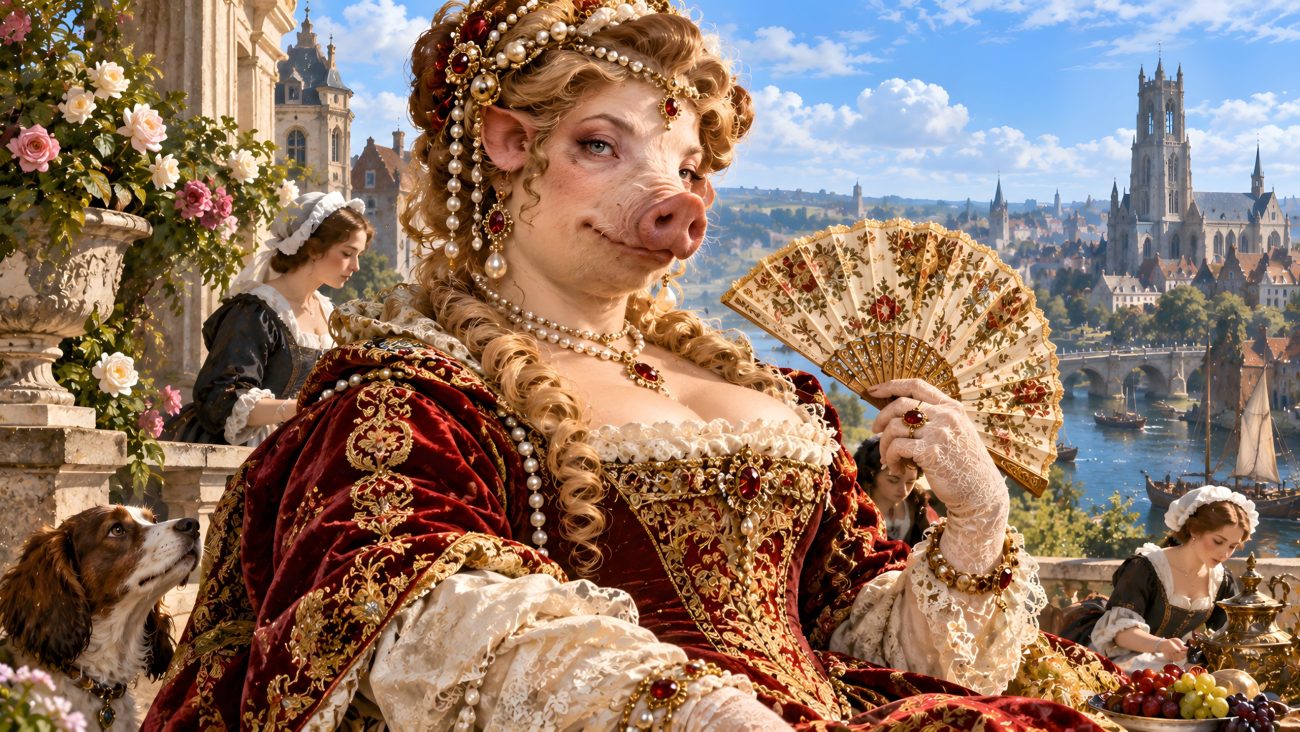
Pig-faced women are figures from a legend that emerged in the Netherlands, England, and France around the late 1630s. The stories describe wealthy women whose bodies are otherwise entirely human but whose faces resemble those of pigs. In the earliest versions, this strange appearance resulted from witchcraft rather than birth or natural causes.

The most familiar version tells of a pig-faced woman who marries a man. On their wedding day, her husband is offered a choice: she can appear beautiful to him but retain her pig-like face in the eyes of everyone else, or appear beautiful to everyone else while looking like a pig to him. When he leaves the decision to his wife, the enchantment is broken, and her human appearance is restored. The tale became particularly popular in England and later spread to Ireland, often presenting the breaking of the curse as a lesson about respect and personal choice.

Over time, the magical elements faded, and stories about pig-faced women increasingly circulated as claims about real people. In early nineteenth-century Dublin, rumours suggested that the reclusive philanthropist Griselda Steevens had hidden herself because she possessed a pig’s face. In London in late 1814 and early 1815, reports spread about a supposed pig-faced woman living in Marylebone, accompanied by alleged portraits that were published as evidence of her existence. Showmen also exhibited supposed pig-faced women at fairs, though some attractions may have involved shaved bears dressed in women’s clothing rather than actual people with unusual faces.

Belief in pig-faced women gradually declined, and the legend had largely disappeared from public attention by the twentieth century. One of the last significant works to present their existence as genuine appeared in 1924. The legend illustrates how a supernatural folktale could evolve into a widely circulated urban rumour, reinforced by sensational journalism and public entertainment.


Sources

“Pig-Faced Women.” Wikipedia: The Free Encyclopedia. Wikimedia Foundation. Accessed October 27, 2026.