Tradition / Region: Armenian Mythology
Alternate Names: Brood of the Vishap, Dragon offspring
Category: Dragon, Hybrid
The Myth
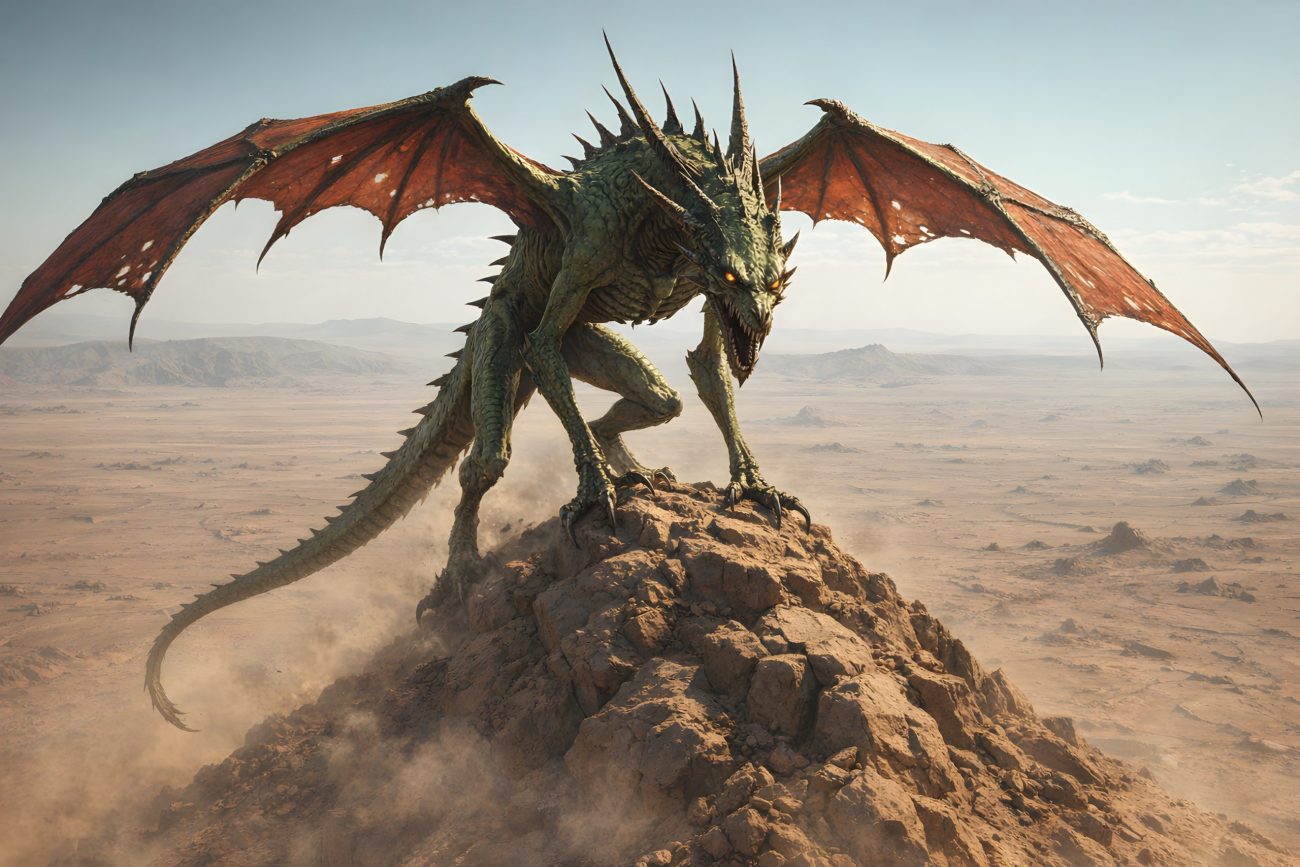
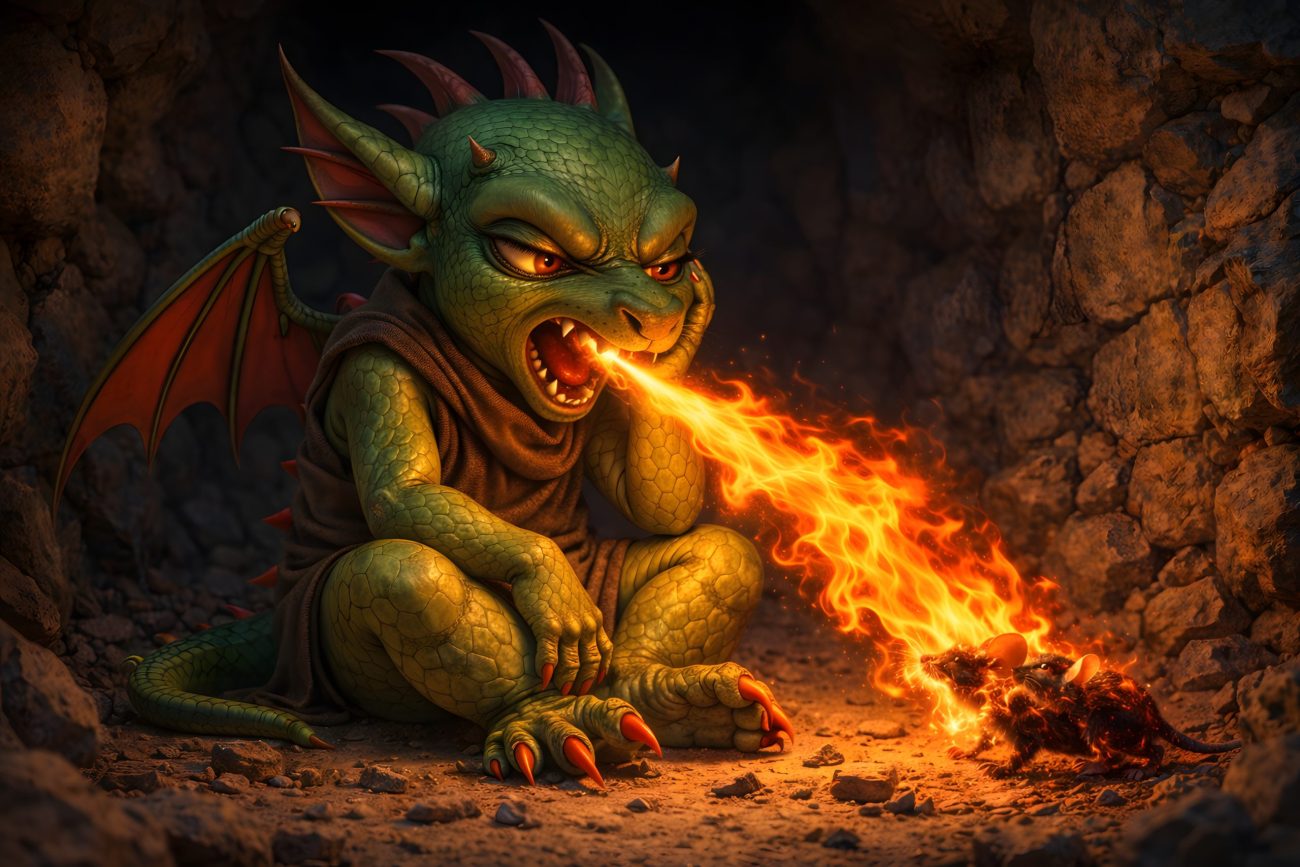
The Dragon Children are the offspring or brood of the Vishap, the great dragons of Armenian mythology. They are described as uncanny beings that exist between human and dragon, combining physical presence with ghostly and demonic traits.
These beings were believed to dwell around Mount Massis, the sacred mountain strongly associated with dragons. They lived near their parent creatures in hidden ravines, mountain palaces, and remote regions, forming a kind of extended dragon lineage or tribe.
In some traditions, they were not purely monstrous but could appear human or semi-human, suggesting that they were born from unions between dragons and human women. This gave rise to the idea of dragon-born individuals—people with unnatural origins, often marked by strange behavior, magical abilities, or a sinister nature.
The Dragon Children were closely linked to witchcraft and supernatural knowledge. They were said to possess skill in magic and deception, and their presence among humans often brought unease. Some were thought to infiltrate human society, living among people while hiding their true nature.
A particularly feared trait was their connection to changelings. Like their dragon parents, they were believed to steal human children and replace them with one of their own kind—offspring that appeared human but behaved wickedly and unnaturally.
Historical and legendary figures were sometimes associated with this lineage. Individuals of strange origin or destructive character were believed to have dragon ancestry, reinforcing the idea that the Dragon Children could influence human bloodlines.
Despite their danger, they were not purely chaotic monsters. Their behavior reflected a primitive, almost human way of life—they hunted, set traps, and lived in organized groups, much like early human societies. This blurred the boundary between monster and being.
Overall, the Dragon Children represent a disturbing and complex concept: a race born from dragons, existing between worlds, capable of blending into humanity while carrying the power, cunning, and danger of their ancient lineage.
Sources
Ananikian, M. H. (1925). Armenian Mythology. In The Mythology of All Races, Vol. 7. Published by the Archaeological Institute of America p. 77–79.