Ramidreju

Tradition: Cantabrian Mythology, Spanish Mythology
Alternative Names: Ramidreju
Category: Marten


The Myth

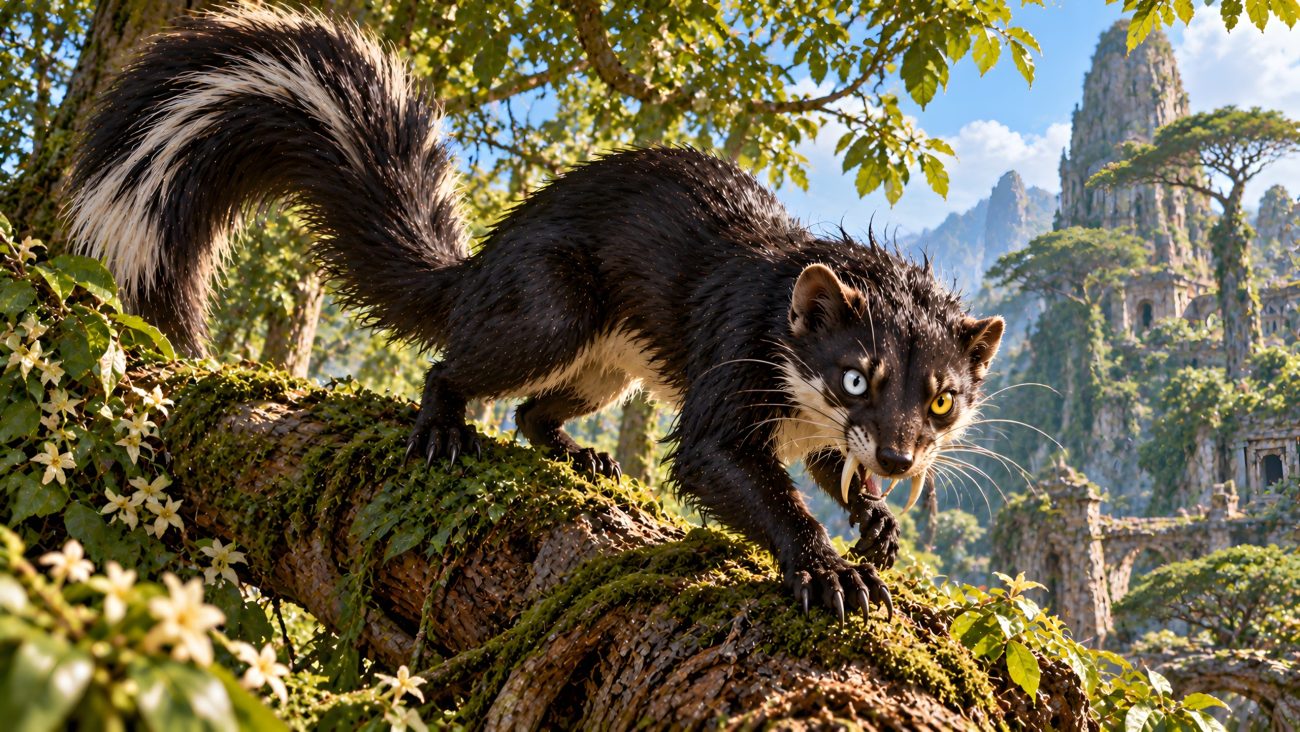
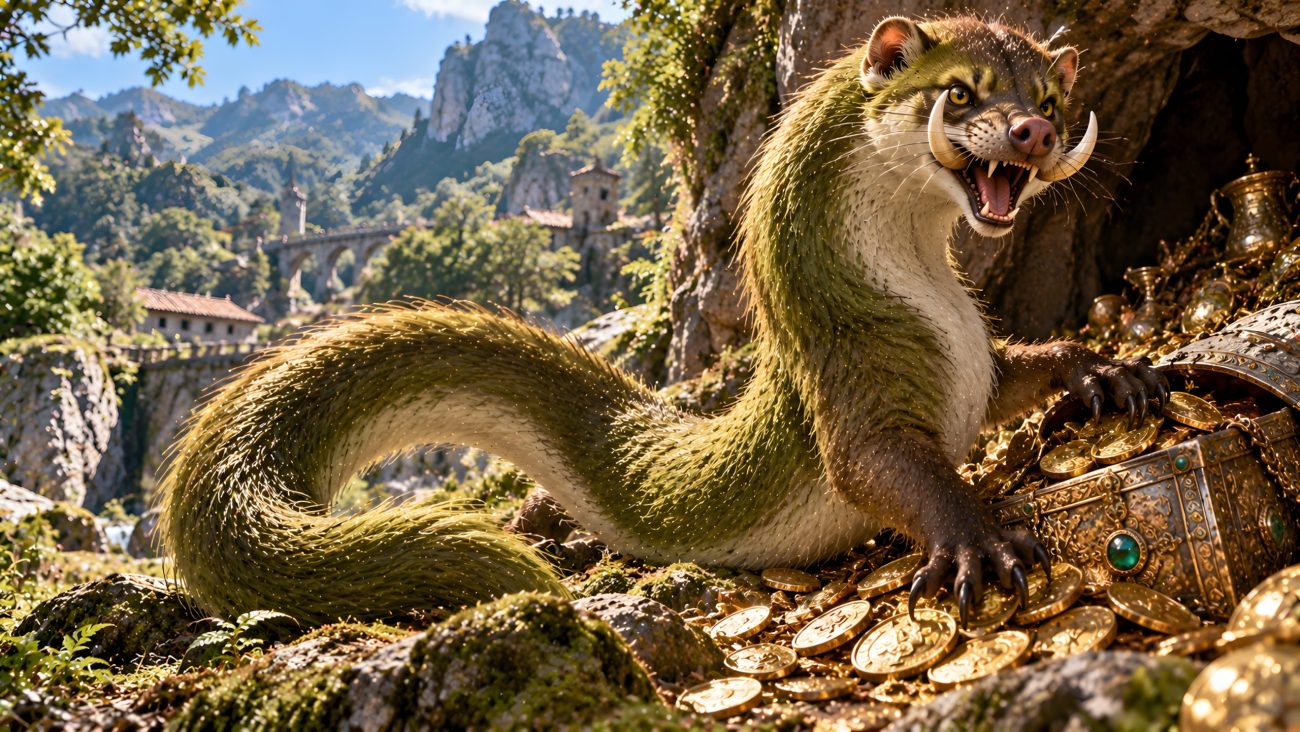
The Ramidreju is a rare, weasel-like creature said to inhabit the mountains and forests of Cantabria in northern Spain. It is born only once every hundred years from a weasel or a marten. Its body is exceptionally long and snake-like, covered in slightly greenish fur. It has yellow eyes, a hog-like nose, and powerful boar-like tusks that it uses to dig deep underground tunnels.

The Ramidreju is highly sought after because its fur is believed to possess the power to heal every sickness. This extraordinary healing ability makes the creature especially valuable, while its strong desire for gold adds to its unusual nature. Its rarity, strange appearance, and supposed magical properties make it one of the remarkable creatures of Cantabrian mythology.


Sources

“Ramidreju.” Wikipedia: The Free Encyclopedia. Wikimedia Foundation. Accessed October 22, 2026. https://en.wikipedia.org/wiki/Ramidreju
Shichibi-mujina

Tradition: Japanese Mythology
Alternative Names: Shichibi Mujina, Nanao Raccoon
Category: Marten


The Myth

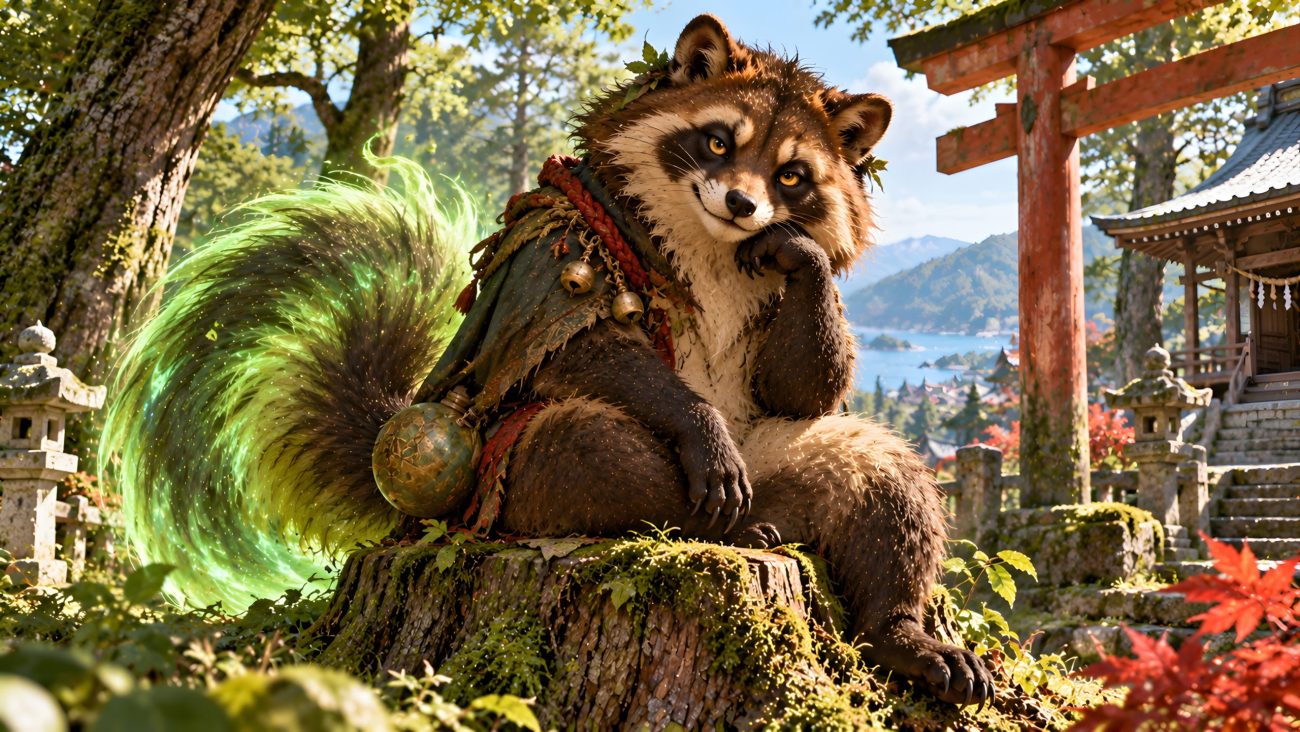
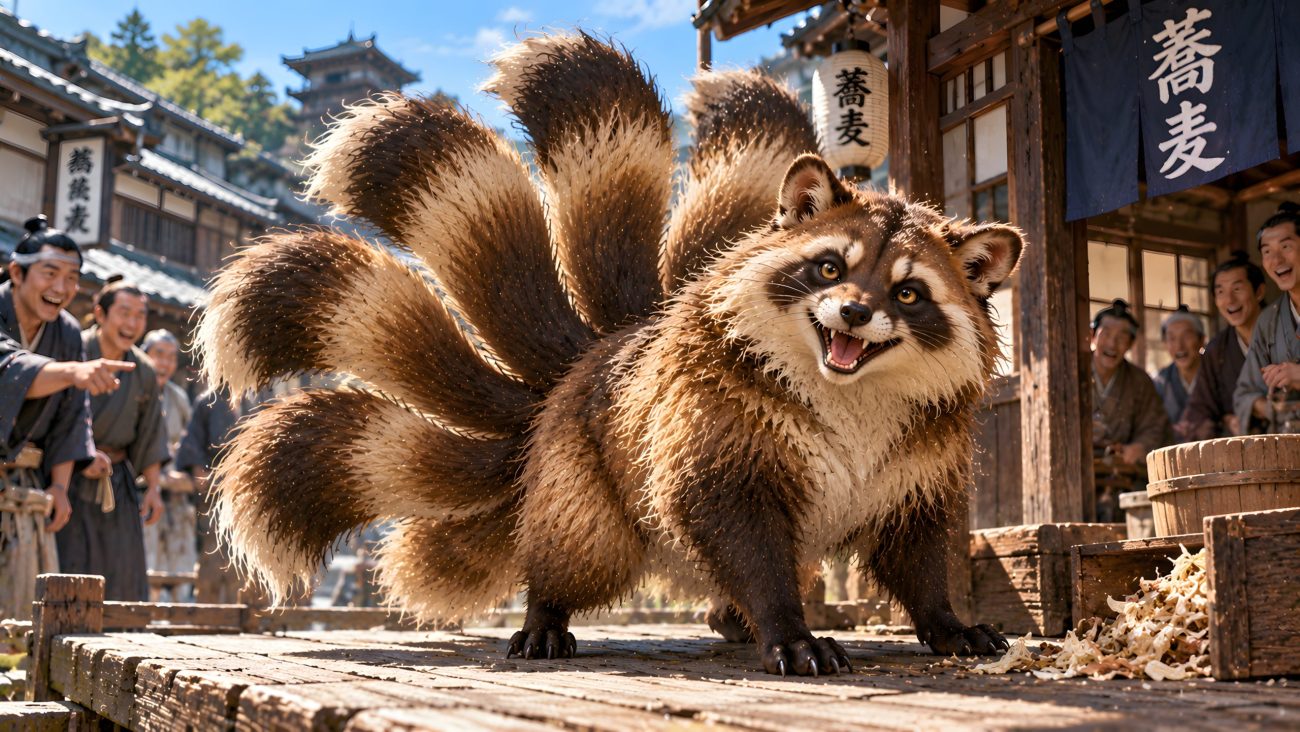
Shichibi-mujina is an aged, supernatural raccoon dog said to have seven separate tails. In 1846, in Edo, Japan, a soba shop in the Koishikawa Suidomachi area suffered from a mysterious theft: the dried dough scraps stored beneath the edges of the building kept disappearing during the night. The household suspected that a fox or raccoon was sneaking through the damaged walls. After the walls were repaired, the thefts stopped, but one night a dog-like creature was seen crawling beneath the veranda while customers entered and left the shop.

The shopkeeper and the gathered customers suspected that the creature was the culprit and pulled up the floor supports to capture it. They discovered an old raccoon whose tail divided into seven distinct parts. When startled, the animal waved its tail, revealing its unusual form; ordinarily, however, the seven sections remained grouped together and looked like a single tail. The captured creature was kept in boxes and fed the scraps it had apparently been stealing.

The seven-tailed raccoon became a public curiosity. When displayed at Dentsuin Daikokuten, it attracted enough spectators to earn more than eight kan in viewing fees. People jokingly compared it with the famous nine-tailed fox, traditionally described as golden-haired and white-faced. Since the raccoon dog was considered inferior to the fox, they found it amusing that it possessed seven tails rather than nine.


Sources

“Nanao’s Badger.” 新版TYZ 妖怪図鑑 (New TYZ Yokai Encyclopedia). https://tyz-yokai.blog.jp/archives/1076296166.html


Gonroku Tanuki

Tradition: Japanese Mythology
Alternative Names: Gonroku-danuki, Shushushinai no Gonroku Tanuki
Category: Marten


The Myth

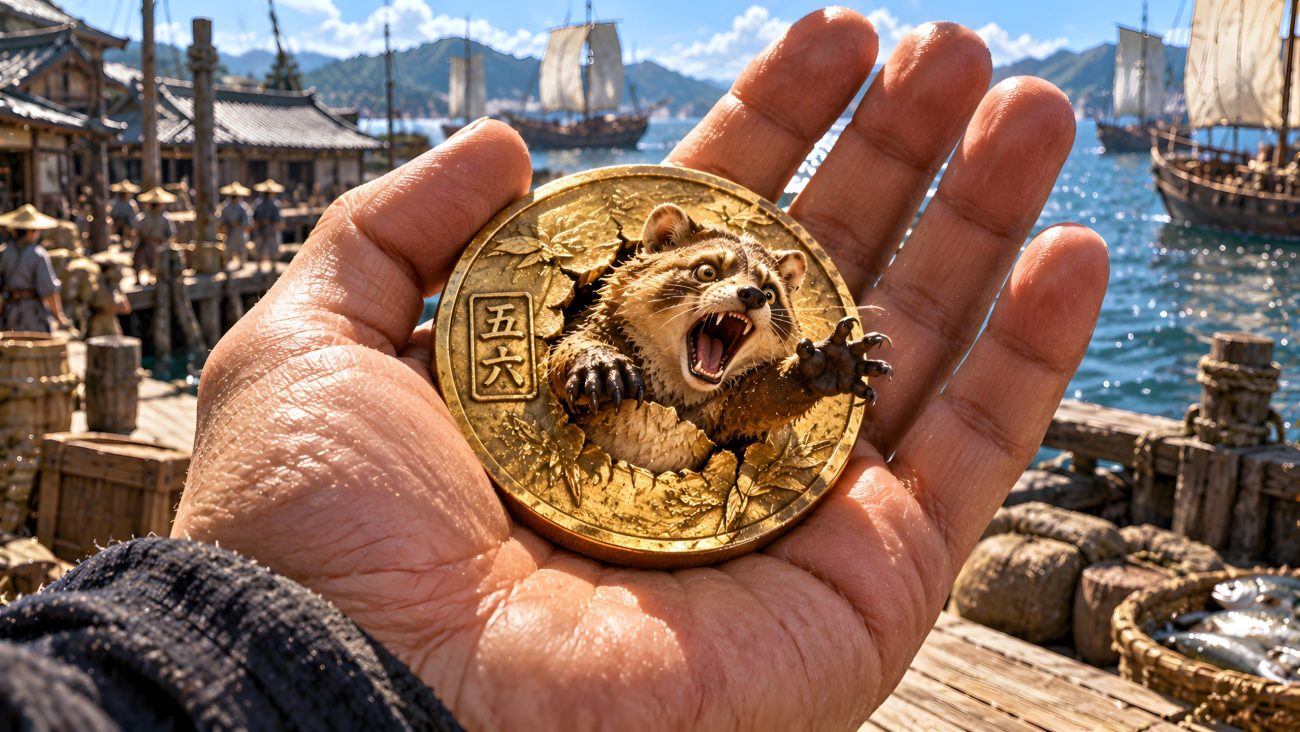
Gonroku Tanuki is a shape-shifting raccoon dog from the region between Rumoi and Mashike in Hokkaido, Japan. It lives near Shushushinai, a place whose Ainu name refers to a riverbank lined with willows. One moonlit night, after eating fish at Abun Beach, Gonroku passed the home of an elderly man named Yohei and noticed that the lights were still burning. Looking inside, he saw the old man crying because the following day marked the seventh anniversary of his wife’s death, yet he lacked the money to pay for her memorial service. Moved by the man’s sorrow, Gonroku decided to help him.

The tanuki placed a Japanese knotweed leaf on his head, recited a magical spell, and transformed himself into a gold coin worth a quarter gold piece. The next morning, Yohei discovered the unexpected money and believed it had been bestowed by the gods. Delighted, he immediately travelled to Ryuenji Temple in Mashike to arrange the memorial service. There, he handed the coin to a young monk named Kirigaku, who tucked it into his pocket. Gonroku, trapped in his disguise, found himself unable to escape.

The young monk boarded a ferry across the Shinsunagawa River, carrying the disguised tanuki away from Shushushinai. Realizing that he would soon be too far from home to return, Gonroku panicked. He bit the monk’s hand and leapt from his grasp, revealing his true form. The sudden appearance of the enormous raccoon dog caused chaos aboard the ferry, and with nowhere else to flee, Gonroku plunged into the river. The current carried him out toward the sea, and he was never seen again at Abun Beach.


Sources

“Gonroku Tanuki.” 新版TYZ 妖怪図鑑 (New TYZ Yokai Encyclopedia). https://tyz-yokai.blog.jp/archives/1075303214.html


Kiuri-itachi

Tradition: Japanese Mythology
Alternative Names: Quince Weasel, Itachi Cucumber
Category: Marten


The Myth

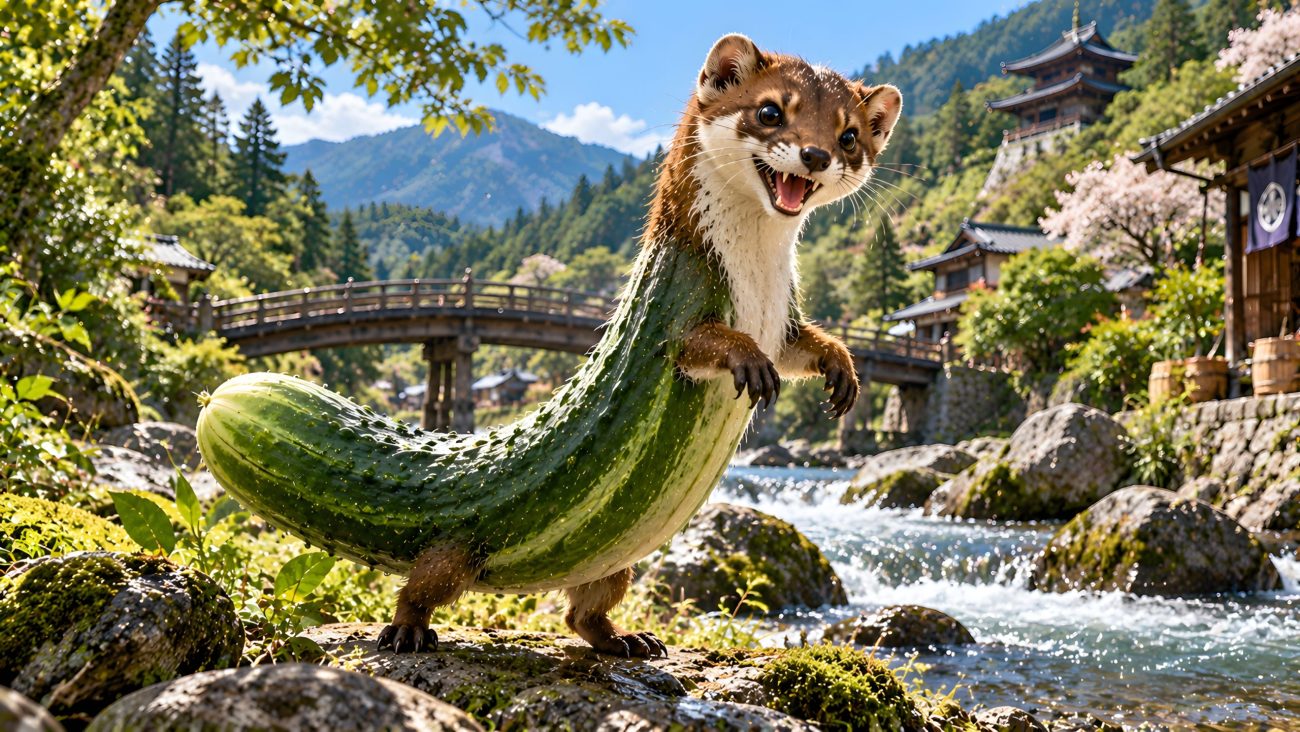
Kiuri-itachi is a curious creature described as a rare kind of weasel, though its identity is tied to a playful tradition involving cucumbers rather than an ordinary animal. It is said to appear around the time of Kyoto’s Gion Festival in June. According to the account, catching one and floating it down a river brings a curse that prevents kappa from being lured or caught. Despite its supposed rarity, it is considered inexpensive and is associated with the preparation of pickles.

The creature’s name comes from a humorous confusion between a weasel and the Japanese word for cucumber. In Kyoto, large, fully ripened yellow cucumbers were known as itachi cucumbers and were eaten as pickles, much like ordinary cucumbers. The account jokingly treats these cucumbers as a kind of weasel, giving rise to the notion of the Kiuri-itachi. Its supposed appearances on leftover cucumbers during summer evenings add to the playful absurdity of the creature, which blurs the boundary between animal lore, food traditions, and wordplay.


Sources

“Mokko Weasel.” 新版TYZ 妖怪図鑑 (New TYZ Yokai Encyclopedia). https://tyz-yokai.blog.jp/archives/1074589309.html


Korokoro

Tradition: Japanese Mythology
Alternative Names: Koro Koro
Category: Marten


The Myth

Korokoro is the name given to a mysterious dog spirit, or inugami, associated with a family in Toyooka, Hayami District, Ōita Prefecture. The family was known locally as a lineage that possessed an inugami. Although they worked as farmers and stonemasons, generations of the family were said to suffer from mental illness, and eventually their descendants died out.

An elderly woman from the family was known as an inugami keeper. According to local accounts, she retrieved an inugami living beneath a bridge over one of the rivers bordering the village and brought it home, where she kept it beneath the floor of her house. She affectionately called the spirit Korokoro and supposedly raised it alongside numerous others. However, these spirits were considered dangerous even to their owners: when their numbers grew too large, they could turn on their keeper and devour them. The woman therefore periodically culled them to prevent their population from becoming unmanageable.

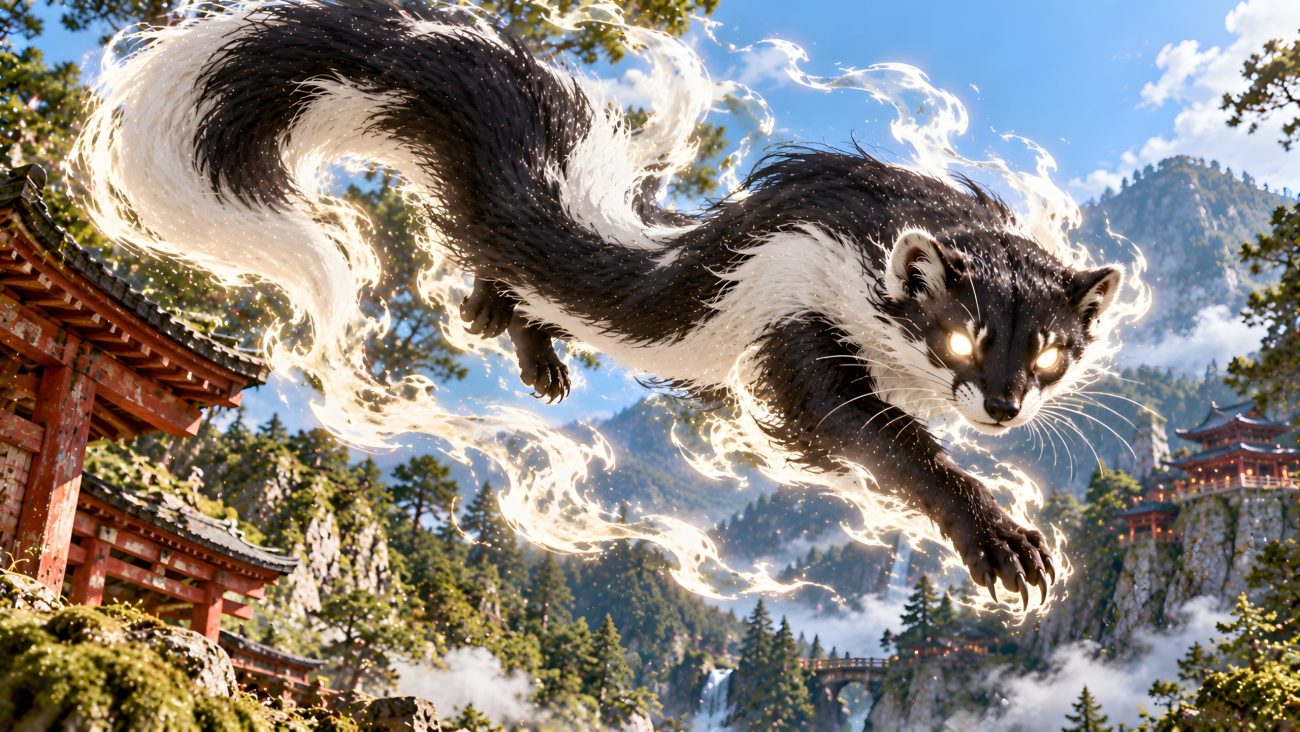
The inugami of this region were described as weasel-like animals with black-and-white markings. Ordinary people could not see them, and they were believed to move through the air without touching the ground, making no sound as they travelled. Their hidden presence made them feared as supernatural familiars that could be kept and controlled by certain families.


Sources

“Korokoro.” 新版TYZ 妖怪図鑑 (New TYZ Yokai Encyclopedia). https://tyz-yokai.blog.jp/archives/1010655104.html


Shibasuberi

Tradition: Japanese Mythology
Alternative Names: Shiba Suberi, しばすべり
Category: Marten


The Myth

Shibasuberi is a mysterious weasel-like creature said to inhabit the remote mountains of Wakayama Prefecture, Japan. Unlike many mischievous supernatural animals, it is described as gentle-hearted and friendly toward humans. It can take human form and visit villages, where it sometimes spends as long as half a day talking with local people.

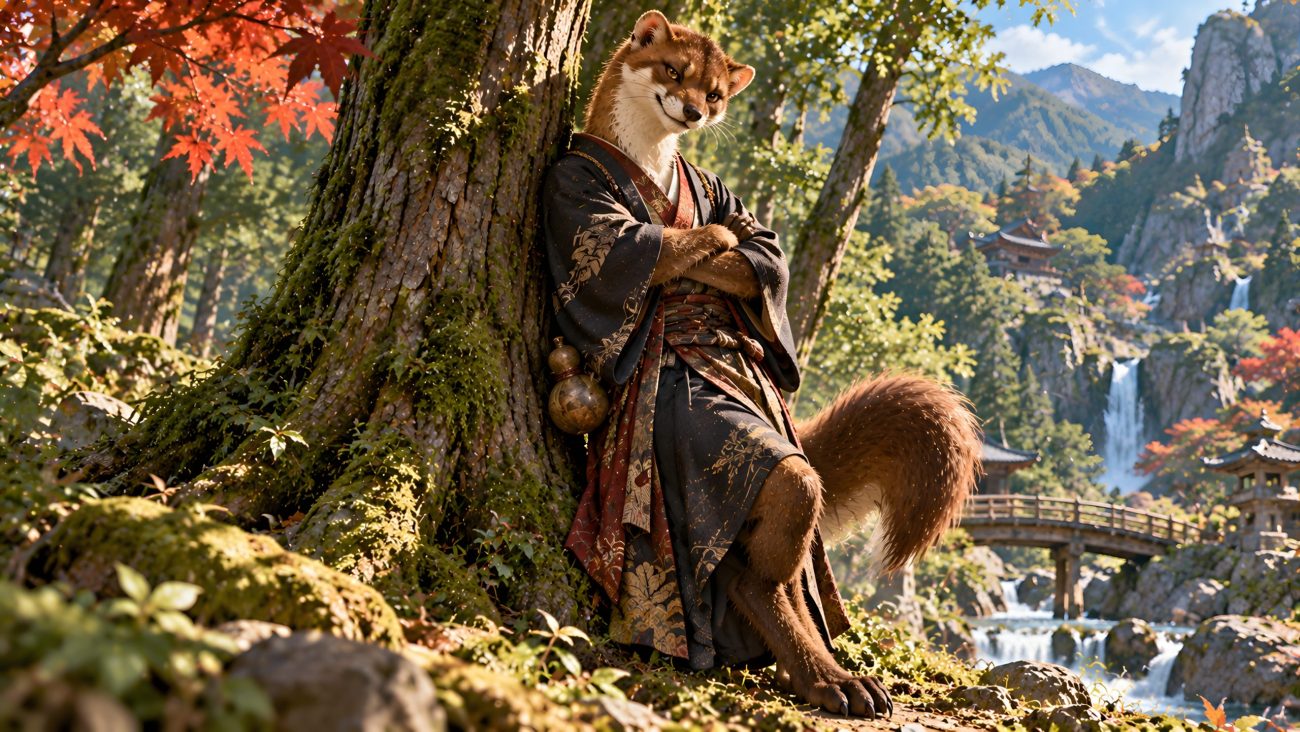
Illustrations depict Shibasuberi as a weasel standing upright on its hind legs, dressed in a kimono and facing a person as though engaged in ordinary conversation. Despite this unusual appearance and its reputation as a kindly mountain visitor, little else is known about the creature. The meaning of its name remains unclear, and no independent source confirming the legend has been identified, leaving open the possibility that Shibasuberi was invented for a modern encyclopedia of supernatural creatures.


Sources

“Shibasuri.” 新版TYZ 妖怪図鑑 (New TYZ Yokai Encyclopedia). https://tyz-yokai.blog.jp/archives/1010655067.html


Nobusuma

Tradition: Japanese Mythology
Alternative Names: Tobikura, Flying Warehouse, 野衾
Category: Marten


The Myth

A nobusuma is a supernatural creature said to originate from a bat that has lived to an extraordinary age and developed magical powers. It resembles a Japanese giant flying squirrel, or musasabi, with a broad body suited to gliding between trees. These creatures inhabit forests and mountains, where they feed on nuts, fruits, and berries, but their diet also includes fire and blood.

Nobusuma are dangerous nocturnal predators that attack travelers walking along roads after dark. They swoop down from trees and cling to their victims’ faces, sucking blood from humans and small animals such as cats. Even when they are not hungry, they may dive toward lanterns and torches to blow out their flames before flying back into the darkness with a chilling cry of gaa gaa! Their strange ability to consume fire makes them particularly unsettling creatures of the night.

The nobusuma’s transformation does not necessarily end with this form. After reaching an even greater age, it is said to change once more, becoming either a yamachichi or a momonjii. It should not be confused with another creature called nobusuma, written with different Japanese characters and associated with Kōchi Prefecture, which is a variety of the nurikabe.


Sources

“Nobusuma.” Yokai.com. https://yokai.com/nobusuma/


Wapaloosie

Tradition: American Mythology
Alternative Names: Wapaloosies
Category: Marten


The Myth

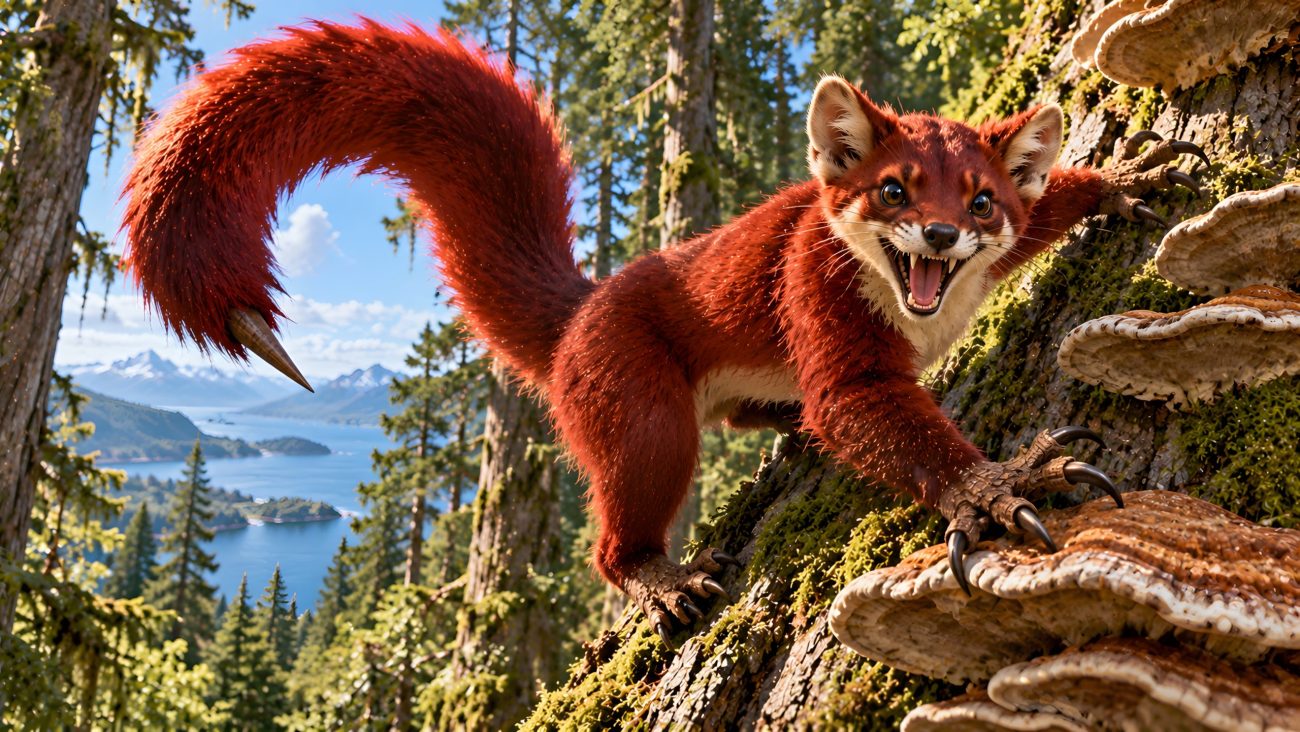
Wapaloosies are unusual mammals that inhabit the forests of the Pacific Coast. About the size of a dachshund, they have velvety fur, woodpecker-like feet, and a tail tipped with a sharp spike. Their bodies and movements resemble those of inchworms, allowing them to climb effortlessly up the tallest trees. They seek out bracket fungi growing on tree trunks and branches, using their specialized feet and spike-tipped tails to aid their ascent.

The wapaloosie’s climbing ability supposedly persists even after death. One lumberjack in Washington shot a wapaloosie and turned its fur into a pair of mittens. However, whenever he tried to grasp an axe or another object, the mittens began shimmying up whatever he held, climbing toward the top of its handle. Unable to use them without the strange behavior recurring, the lumberjack eventually discarded the mittens. They were last seen scrambling over piles of lumber slash, continuing their peculiar climbing long after the animal itself had died.


Sources

“Wapaloosie.” A Book of Creatures, May 27, 2019. https://abookofcreatures.com/2019/05/27/wapaloosie/


Bitard

Tradition: French Mythology
Alternative Names: Venerated Bitard, Bitard
Category: Marten


The Myth

The Bitard is a fabulous animal associated with the Order of the Venerated Bitard (Ordre du Vénéré Bitard, Loué Soit-Il !), a student association established at the University of Poitiers in France during the 1920s. The creature serves as the symbolic figure of the Order, whose members are also known as Bitards. Although its precise physical appearance is not described, the Bitard occupies a central place in the association’s traditions and ceremonial identity.

The Order’s mythology draws upon the writings of François Rabelais, in whose work Pantagruel the word bitard appears twice in hunting contexts. Each year, the association organizes the Semaine estudiantine, a week of festivities that includes a procession, drinking celebrations, and a ceremonial hunt for the Bitard. These traditions turn the creature into the focus of a distinctive student culture, blending mock hunting, ritual, and communal celebration.


Sources

“Bitard.” Wikipedia: The Free Encyclopedia. Wikimedia Foundation. Accessed October 21, 2026. https://en.wikipedia.org/wiki/Bitard


Azuki-tori no Tanuki

Tradition: Japanese Mythology
Alternative Names: Azuki-tori Tanuki, Bean-Washing Tanuki
Category: Marten


The Myth

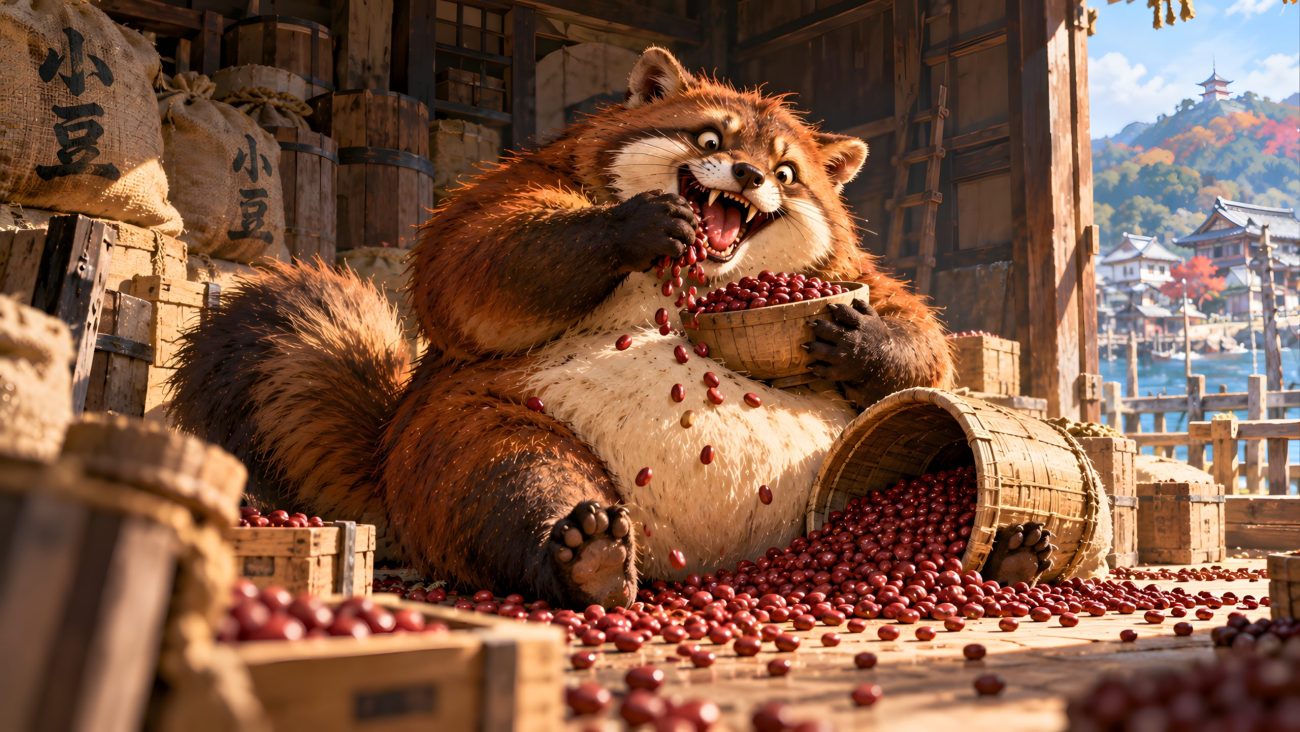
Azuki-tori no Tanuki is a mysterious tanuki associated with an old storehouse near the waterfront in Tsuchido, Onomichi, Hiroshima Prefecture. In the past, the area had a stone-paved landing place, with large storehouses lining the coast to the west. Every night, a strange, sharp shari, shari sound could be heard near the buildings. It resembled neither the scurrying of mice nor the noise of weasels, and the locals found it deeply unsettling.

One night, a young man passing by heard the familiar sound and realized it seemed to come from inside a storehouse. Determined to discover its source despite his fear, he shouted loudly toward the building. The sound immediately stopped, and a round creature burst out of the storehouse. Moving quickly on its short legs, it ran toward Mount Senkoji. The young man watched it closely enough to recognize it as a tanuki.

After this encounter, people came to believe that the strange scraping noise was made by the tanuki sneaking into the storehouse to steal azuki beans. Even after its identity became known, the sound continued to frighten the locals. Whenever the sharp shari, shari noise echoed through the darkness, children hurried home.


Sources

“Azuki-tanuki.” 新版TYZ 妖怪図鑑 (New TYZ Yokai Encyclopedia). https://tyz-yokai.blog.jp/archives/1010655099.html