Mangadhai

Tradition: Mongolian Mythology
Alternative Names: Mangadhai
Category: Giant


The Myth

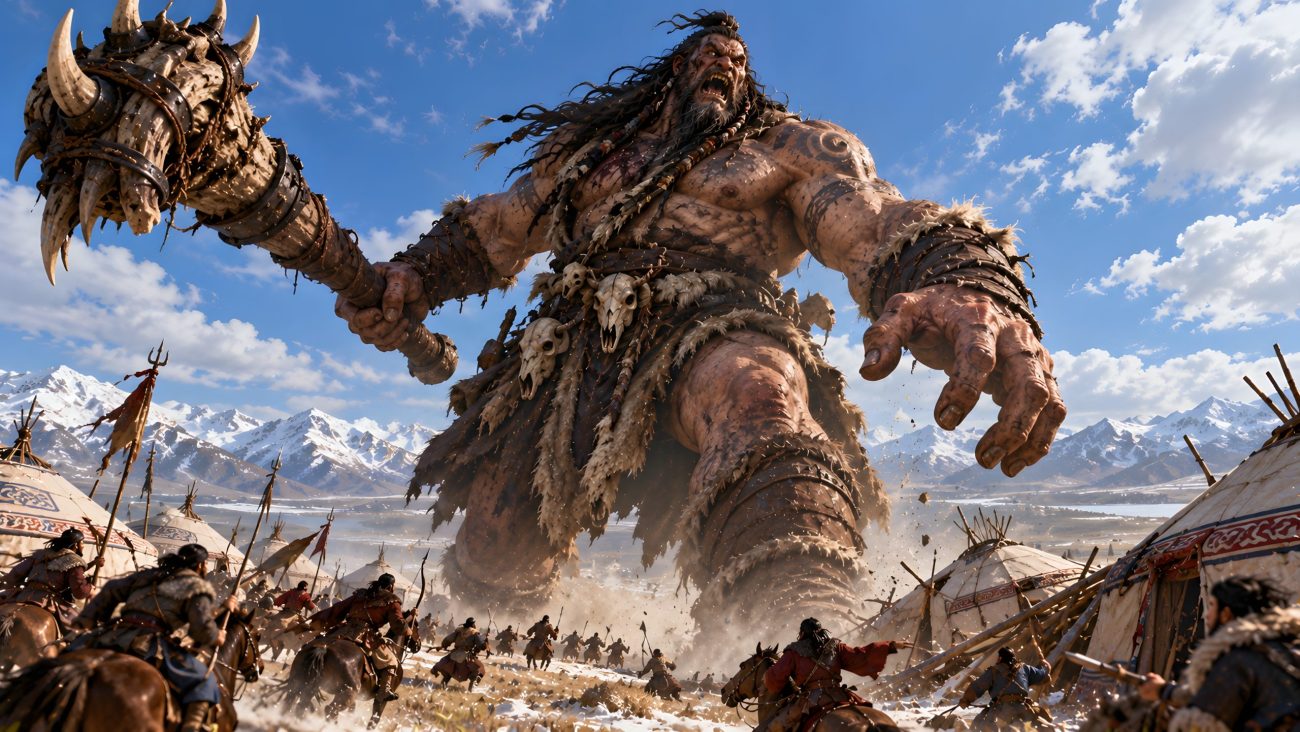
The Mangadhai are monstrous beings in Mongolian mythology who frequently appear as antagonists in traditional folktales. They are portrayed as cruel giants possessing immense physical strength and a destructive nature. Their fearsome presence makes them formidable opponents for the heroes of Mongolian stories.

The Mangadhai represent chaos and destruction, threatening the order of the world through their violence and monstrous power. Heroes in Mongolian myths often confront these beings in dangerous struggles, overcoming them to restore peace and order. Their role reflects the recurring folkloric conflict between destructive forces and the heroes who protect their communities.

The available description provides little detail about the Mangadhai’s physical appearance beyond their immense size and strength, or about any single defining legend. They are principally characterized by their role as powerful monstrous adversaries in Mongolian folklore.


Sources

“Mongolian Culture.” Folklore Earth. https://folklore.earth/culture/mongolian/

Mangus

Tradition: Mongolian Mythology
Alternative Names: Mangas, Mangasht, Mangashti, Mangas, Mangus, Manguz, Mangusai, Mangasdu
Category: Giant


The Myth

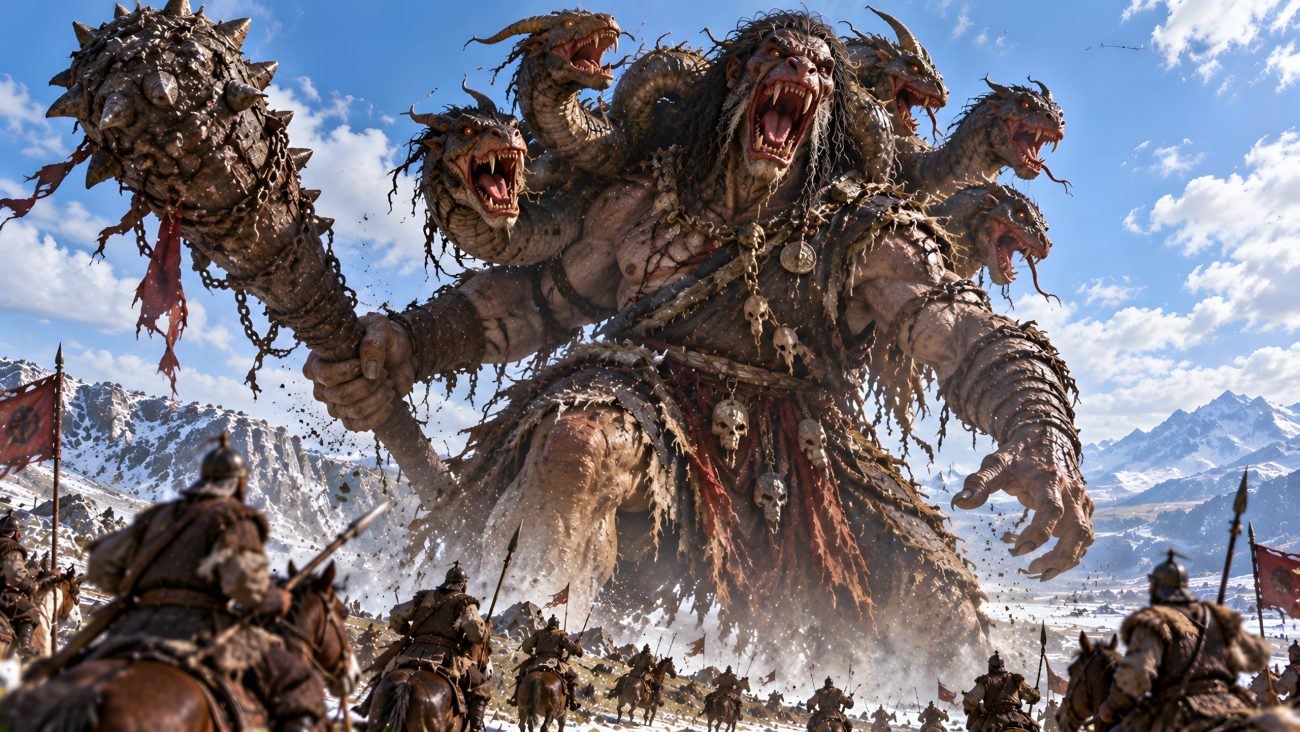
Mangus is a general name in the folklore of Mongolian peoples for various monsters, usually multi-headed giants with serpentine features. Unlike other demonic beings, such as shulmas and chotgor, mangus figures primarily appear as characters in epic and fairy-tale narratives. They are often depicted as enormous, powerful monsters with multiple heads, large mouths, and frightening appearances. Some possess snake-like bodies or other animal characteristics, while others resemble monstrous giants.

In Mongolian myths, mangus commonly serve as antagonists who threaten heroes and their communities. Their stories often involve battles against heroic figures, who must overcome the monsters through strength, cunning, or supernatural assistance. The mangus may guard remote places, dwell in underground lairs, or emerge from the wilderness to attack people. Their extraordinary physical power makes them formidable opponents, but they can also be defeated through the ingenuity of the heroes who confront them.

The appearance and characteristics of mangus vary across Mongolian traditions. Some versions portray them as multi-headed demons, while others emphasize their serpentine features or monstrous size. Related names occur among several peoples of Inner Asia, including the Buryats, Kalmyks, Altaians, Tuvans, and Yakuts. These names do not always refer to precisely the same kind of being, and their meanings and associations differ between traditions.

In some Mongolian tales, mangus figures are associated with the emergence of later monsters or supernatural beings. Their stories have also been interpreted as reflecting encounters between different communities, with the monsters sometimes representing threatening outsiders. However, the origins and historical significance of the mangus tradition remain uncertain. Across its many variations, the mangus remains a powerful monstrous adversary in the epic and fairy-tale worlds of Mongolian peoples.


Sources

“Mangus.” New Bestiary (Bestiary.us). https://www.bestiary.us/mangus