Maera

Tradition / Region: Greek Mythology
Alternate Names: Maira
Category: Dog


The Myth

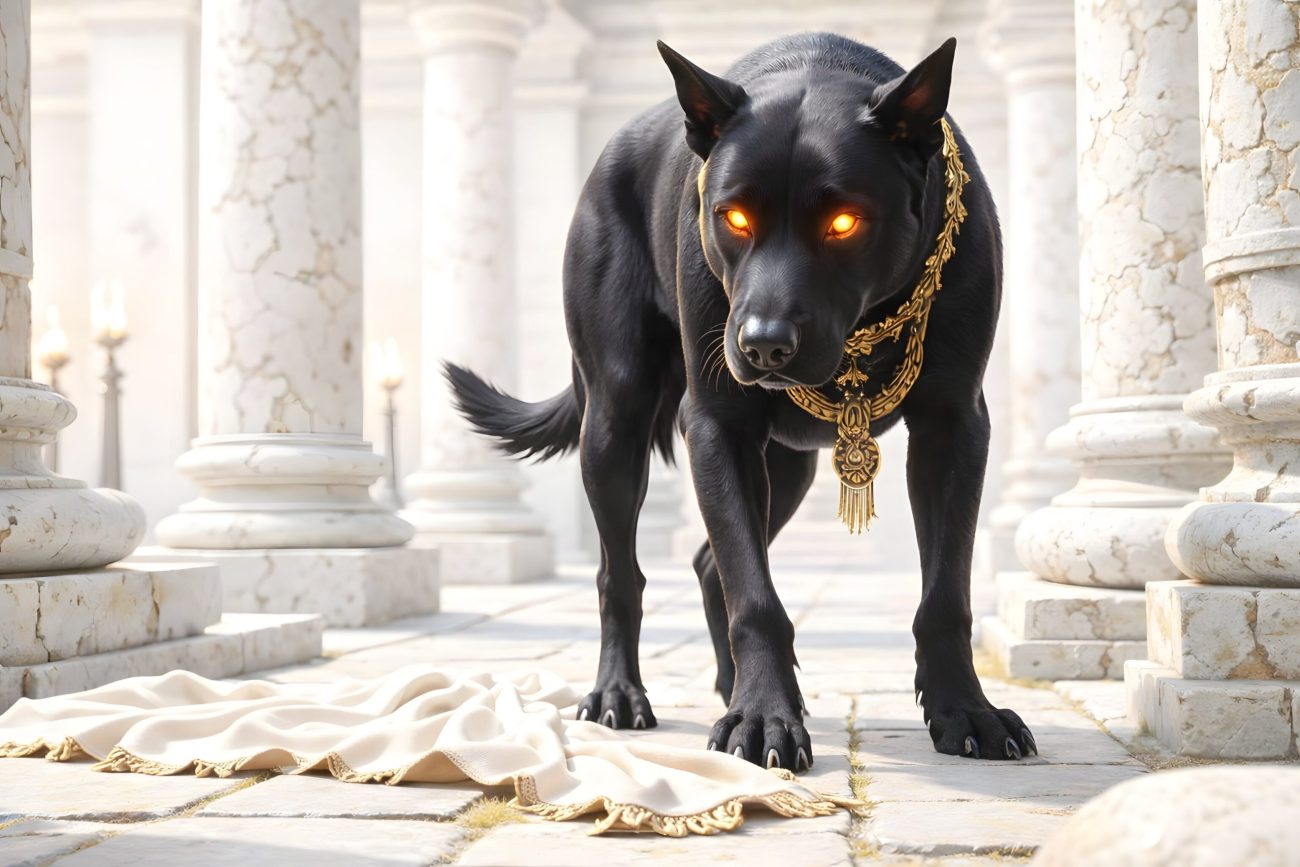
Maera was the faithful hound of Erigone, daughter of Icarius of Athens.

Icarius was a man favored by the god Dionysus, who taught him the art of making wine. Carrying this new gift, Icarius traveled the countryside and shared the drink with shepherds he met along the way. But the men, unaccustomed to wine, soon became drunk and confused. Believing that Icarius had poisoned them, they killed him and buried his body.

When Icarius did not return, his daughter Erigone set out to search for him. She was accompanied by Maera, who guided her on the journey. The dog followed the trail until at last he led her to the place where her father lay buried.

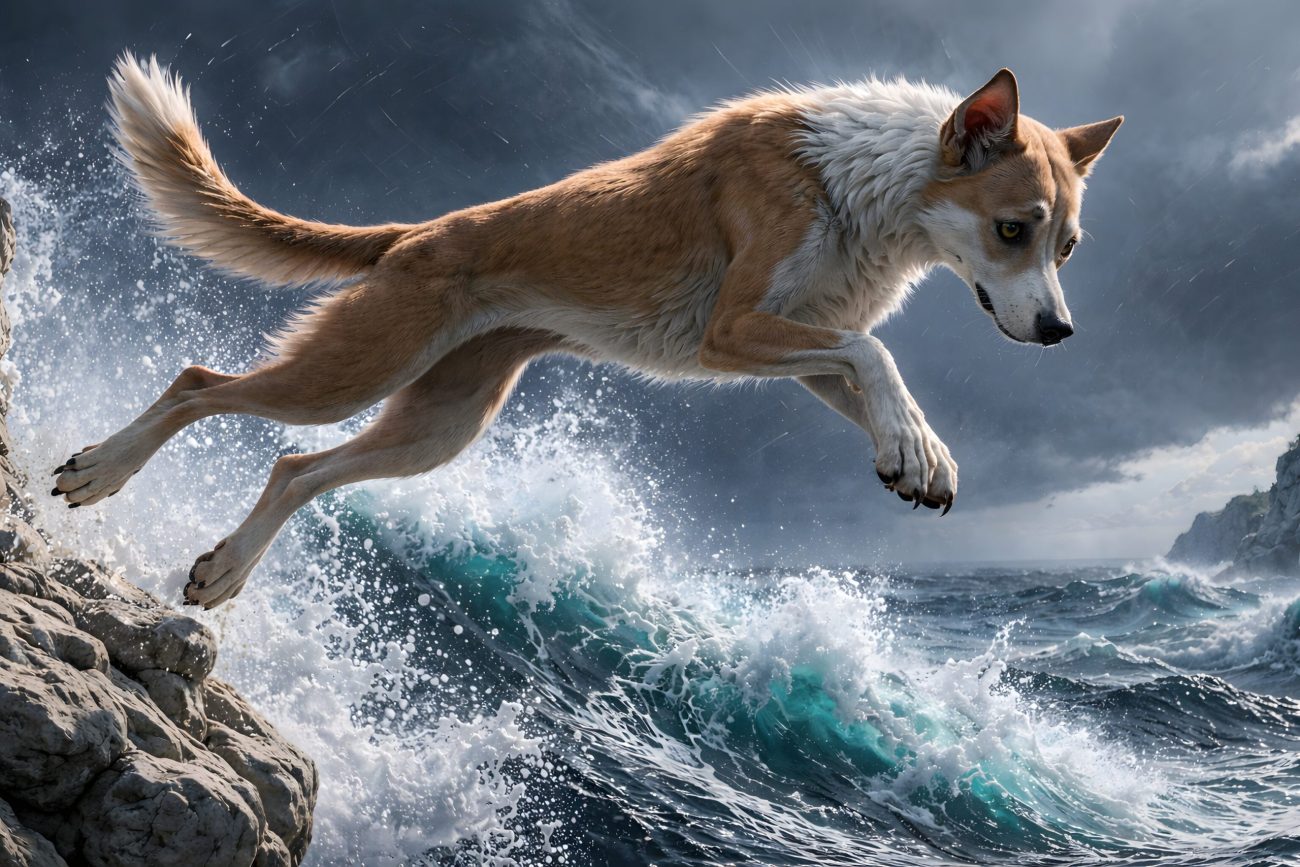
When Erigone discovered the grave, she was overcome with grief. Unable to bear the loss, she fastened a noose and hanged herself from a tree. Seeing his mistress dead, Maera too was seized by sorrow and threw himself from a cliff.

When Dionysus learned what had happened, he was filled with anger at the injustice done to Icarius and the fate of his daughter. He sent a madness upon the women of Athens. One after another, unmarried girls were driven to hang themselves, as Erigone had done. The city fell into terror, and the deaths did not cease.

At last the Athenians sought to appease the god. They established rites in honor of Icarius and Erigone, remembering their suffering and giving them due reverence. Only then did the plague lift.

In memory of them, the gods placed the three together in the heavens. Icarius became the constellation Boötes, Erigone became Virgo, and Maera was set among the stars as the bright star Procyon, where the faithful dog still shines beside them.


Gallery


Sources

Wikipedia contributors. (n.d.). Maera (hound). In Wikipedia, from https://en.wikipedia.org/wiki/Maera_(hound)


Interpretive Lenses

Religious Readings
  • Christian Ascetic Deep Dive
Philosophical Readings
  • Nietzschean Deep Dive
Psychological Readings
  • Jungian Deep Dive
Esoteric Deep Dive
  • Hermetic Deep Dive
Political / Social Readings
  • Marxist Deep Dive

Hecuba

Tradition / Region: Greek Mythology
Alternate Names: Hekabe
Category: Dog, Transformation figure, Tragic queen


The Myth

Hecuba was the queen of Troy, wife of King Priam and mother of many children. During the war with the Greeks, her sons and daughters were slain, and her city was destroyed. When Troy finally fell, she was taken captive by the victors and led away into slavery.

In one tale, as she was handed over to Odysseus, grief and fury overcame her. She cursed him, snarling like a wild beast. Because of her rage and the depth of her suffering, the gods transformed her into a dog. In this form she escaped her captors, and it is said that the goddess Hecate later took her in as one of her sacred companions.

Another story tells that her transformation came after an even greater sorrow. When the war ended, Hecuba learned that her daughter Polyxena had been sacrificed at Achilles’ tomb. Soon after, the body of her son Polydorus was discovered on the shore, murdered despite having been sent away for safety. Seeing the corpses of her children, the queen’s mind broke beneath the weight of grief. She cried out and howled like a dog, and her voice lost all human sound.

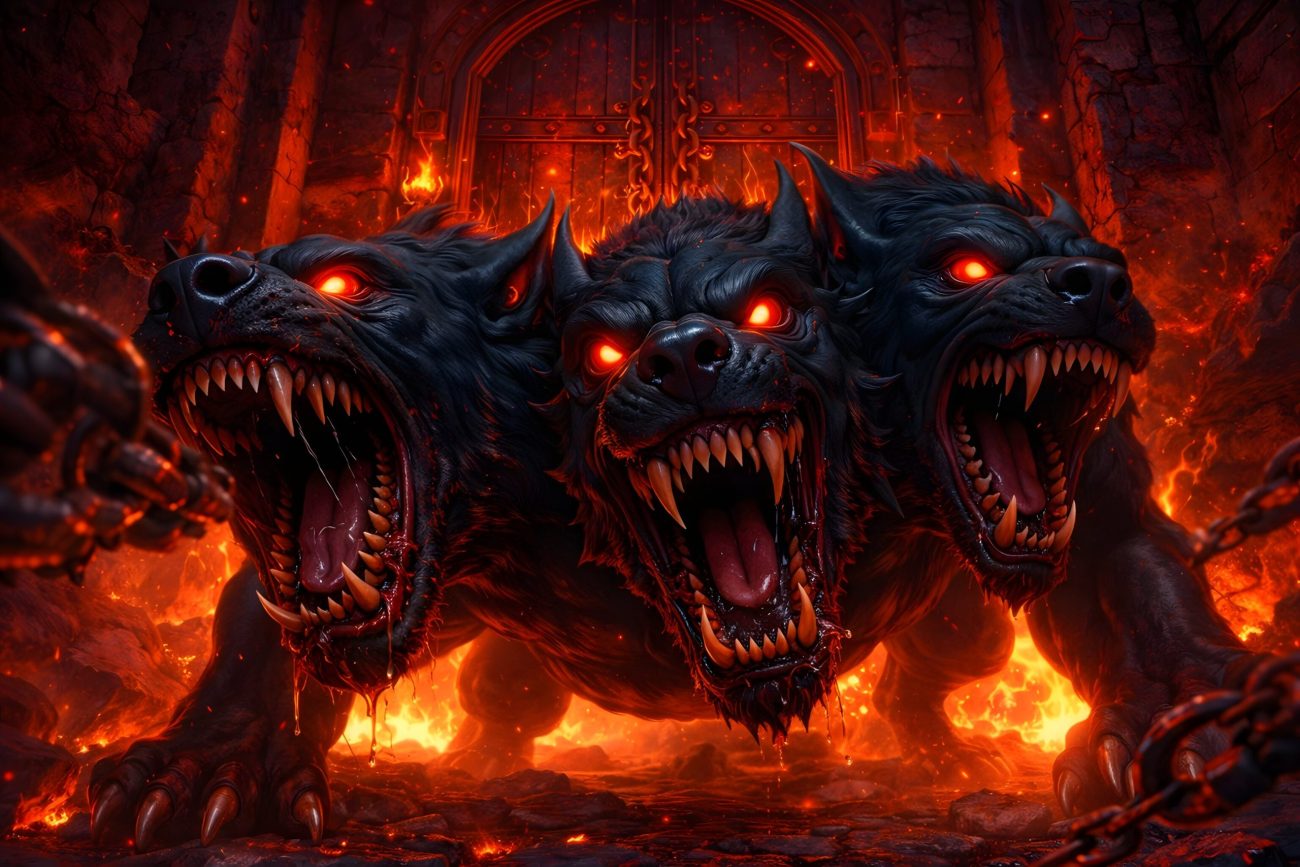
In some tellings, this madness became a true change. Driven beyond reason, she threw herself into the sea. There she was transformed into a she-dog with blazing eyes. Her body was later said to rest at a place called Kynosema, the “Dog’s Grave,” a headland known to sailors who passed that shore.

Yet another version says that after her transformation she did not perish, but was taken by the goddess Hecate. The goddess made her one of the spirits that follow her, a canine presence moving between the world of the living and the dead.

So Hecuba, once queen of mighty Troy, was remembered not only for her sorrow, but for the strange fate that turned her from a grieving mother into a creature of the night.


Gallery


Sources

Wikipedia contributors. (n.d.). Hecuba. In Wikipedia, from https://en.wikipedia.org/wiki/Hecuba


Interpretive Lenses

Religious Readings
  • Christian Ascetic Deep Dive
Philosophical Readings
  • Nietzschean Deep Dive
Psychological Readings
  • Jungian Deep Dive
Esoteric Deep Dive
  • Hermetic Deep Dive
Political / Social Readings
  • Marxist Deep Dive

Argos

Tradition / Region: Greek mythology
Alternate Names: Argus
Category: Dog


The Myth

Argos was the hunting dog of Odysseus, king of Ithaca.

He had been bred as a strong and swift hound, and while Odysseus was still young, the dog was raised with care and trained for the hunt. Though the king departed for the Trojan War before they could hunt together, Argos grew into a fine dog. In those days he was used by other young men to track deer, wild goats, and hares, and none could outrun him.

But Odysseus did not return when the war ended. Years passed, and then more years still. Believing their master dead, the household fell into disorder. Servants grew careless, and the palace filled with arrogant suitors seeking the hand of Odysseus’s wife, Penelope.

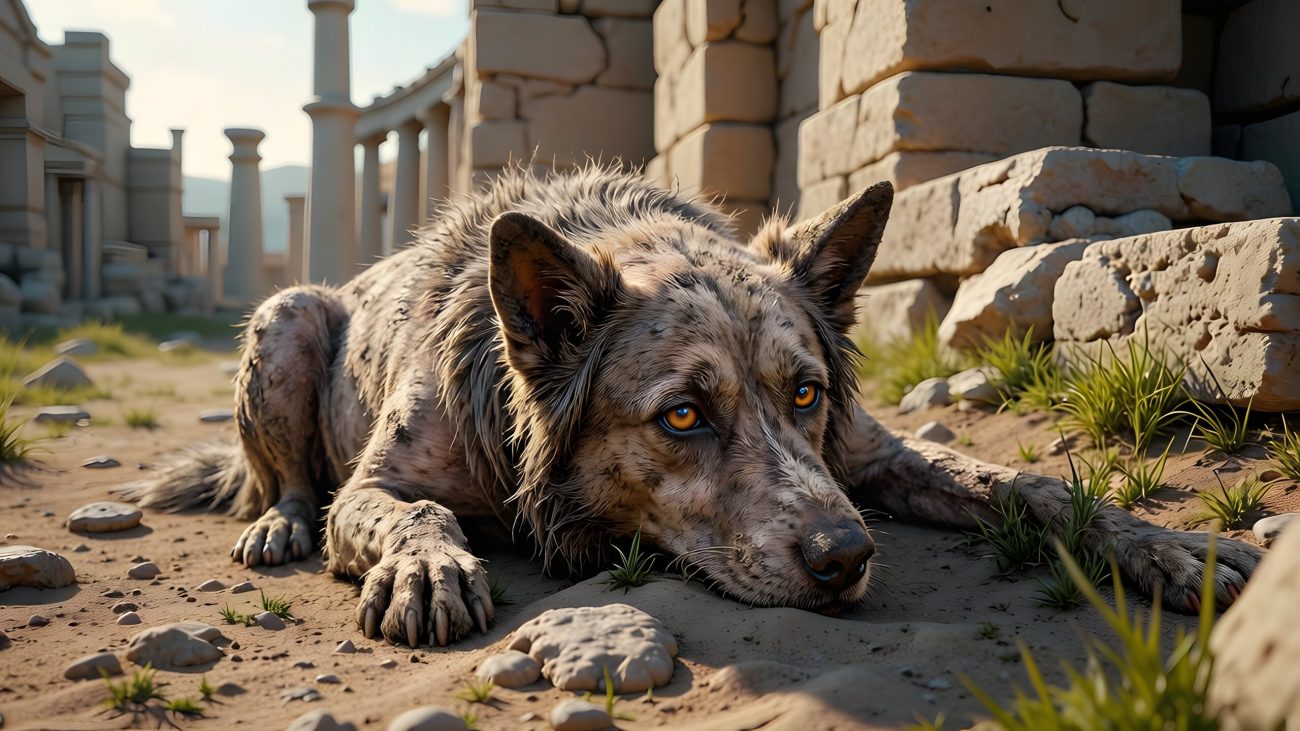
With no one left to care for him, Argos was cast aside. Once a proud hunting dog, he was left to lie neglected outside the palace. Old age overtook him, and he lay upon heaps of dung near the gates, his body weak, his fur matted, and parasites clinging to him. There he waited, barely able to move.

Twenty years after he had left home, Odysseus at last returned to Ithaca. The goddess Athena disguised him as an old beggar so that he might enter his own house unseen and judge the situation within.

As he approached the palace with the swineherd Eumaeus, Argos lay nearby. Though nearly blind and too weak to rise, the dog heard the voice of his master. At once he knew him.

Argos dropped his ears and began to wag his tail. He tried to rise, but his strength failed him, and he could only stretch out where he lay.

Odysseus saw the dog and knew him as well. Yet he dared not show recognition, for fear of revealing himself too soon. Turning his face aside so that Eumaeus would not see, he wiped away a tear.

He asked the swineherd about the dog, speaking as though he were a stranger. Eumaeus told him that the animal had once belonged to Odysseus and had been unmatched in the hunt, but since the king had gone to Troy, no one had cared for him.

As they spoke, the two men went inside the palace.

Argos, having seen his master return at last, closed his eyes. His watch was over. There, at the gate of the house he had guarded all his life, the faithful dog died.


Gallery


Sources

Wikipedia contributors. (n.d.). Argos (dog). In Wikipedia, from https://en.wikipedia.org/wiki/Argos_(dog)


Interpretive Lenses

Religious Readings
  • Christian Ascetic Deep Dive
Philosophical Readings
  • Nietzschean Deep Dive
Psychological Readings
  • Jungian Deep Dive
Esoteric Deep Dive
  • Hermetic Deep Dive
Political / Social Readings
  • Marxist Deep Dive