Kower

Tradition: Estonian Mythology
Alternative Names: Kower, Köwer-silm
Category: Goblin


The Myth

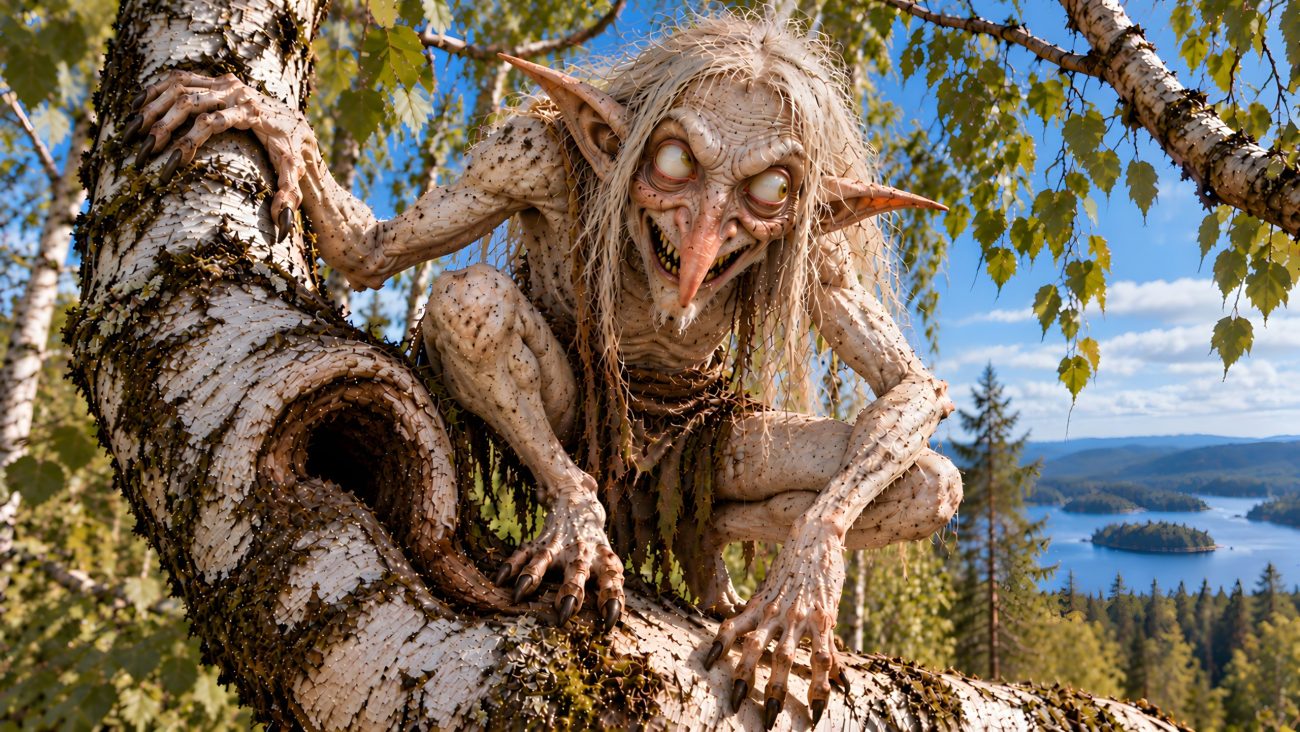
Kower is a forest spirit in Estonian folklore that takes the form of a cross-eyed man. He wanders through the forest and hides inside twisted, unnaturally shaped birch trees. His unusual appearance and association with strangely formed trees distinguish him from ordinary human beings and connect him to the mysterious features of the woodland.

Kower is associated with the legend of the magical forest of Tohtla. Within this forest, the spirit conceals himself among birch trees whose distorted shapes make them seem unnatural. He is therefore linked to the hidden and uncanny aspects of the forest, inhabiting places where the trees themselves appear strange.

The name Kower is associated with the meaning “oblique” or “crooked,” reflecting the spirit’s cross-eyed appearance. A related Estonian name, Köwer-silm, literally means “slanted eye” or “crooked eye.” These names emphasize the unusual appearance of this elusive forest being.


Sources

“Kover.” New Bestiary (Bestiary.us). https://www.bestiary.us/kover

Vanakhalby

Tradition: Estonian Mythology
Alternative Names: Vanahalb, Vanasõge, Vanasygi
Category: Goblin


The Myth

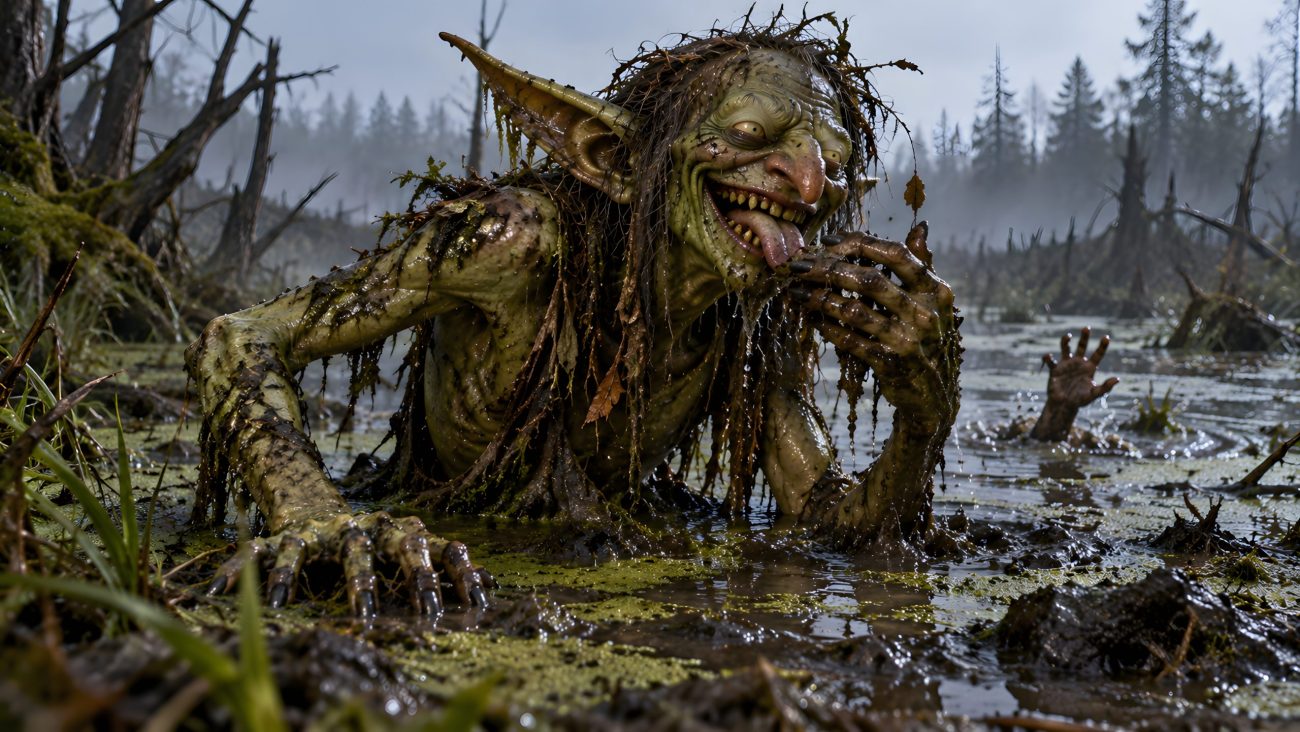
Vanakhalby are malevolent forest spirits in Estonian mythology that lead travellers astray, forcing them to wander through the woods for long periods. They can imitate echoes to confuse people, drawing them into swamps or impenetrable thickets from which it may be difficult to escape. Their tricks make them dangerous inhabitants of the forest, where familiar sounds and paths can become deceptive.

These spirits can appear in the form of grey-haired elders and may sometimes be accompanied by herds of wild animals. Their alternative names reflect their association with old age, evil, and unusual physical characteristics. Vanahalb literally means “old devil,” while Vanasõge means “old crazy one.” Vanasygi is another variant of the name, literally meaning “old blind men,” reflecting the traditional association between blindness or one-eyedness and malevolent spirits.

Despite their ability to mislead travellers, Vanakhalby can also bring good fortune under certain circumstances. A hunter who manages to make a pact with one of these spirits is guaranteed exceptional luck. This makes them ambiguous figures: dangerous tricksters who can torment those who enter their territory, yet potentially valuable supernatural allies to those who secure their favour.


Sources

“Vanahalby.” New Bestiary (Bestiary.us). https://www.bestiary.us/vanahalby