Smakhak

Tradition / Region: Dutch Mythology
Alternate Names: Smakpoot, Smakvoet
Category: Dog


The Myth

Along the Delleweg near Stedum in Groningen, people once spoke of a haunting presence known as the Smakhak.

He was said to move along the road at night, close to travelers but often not clearly seen. What first gave him away were the sounds — heavy, wet thuds and smacking noises made by his feet as he went. The noises would come suddenly, as though something unseen was pacing alongside a person in the darkness.

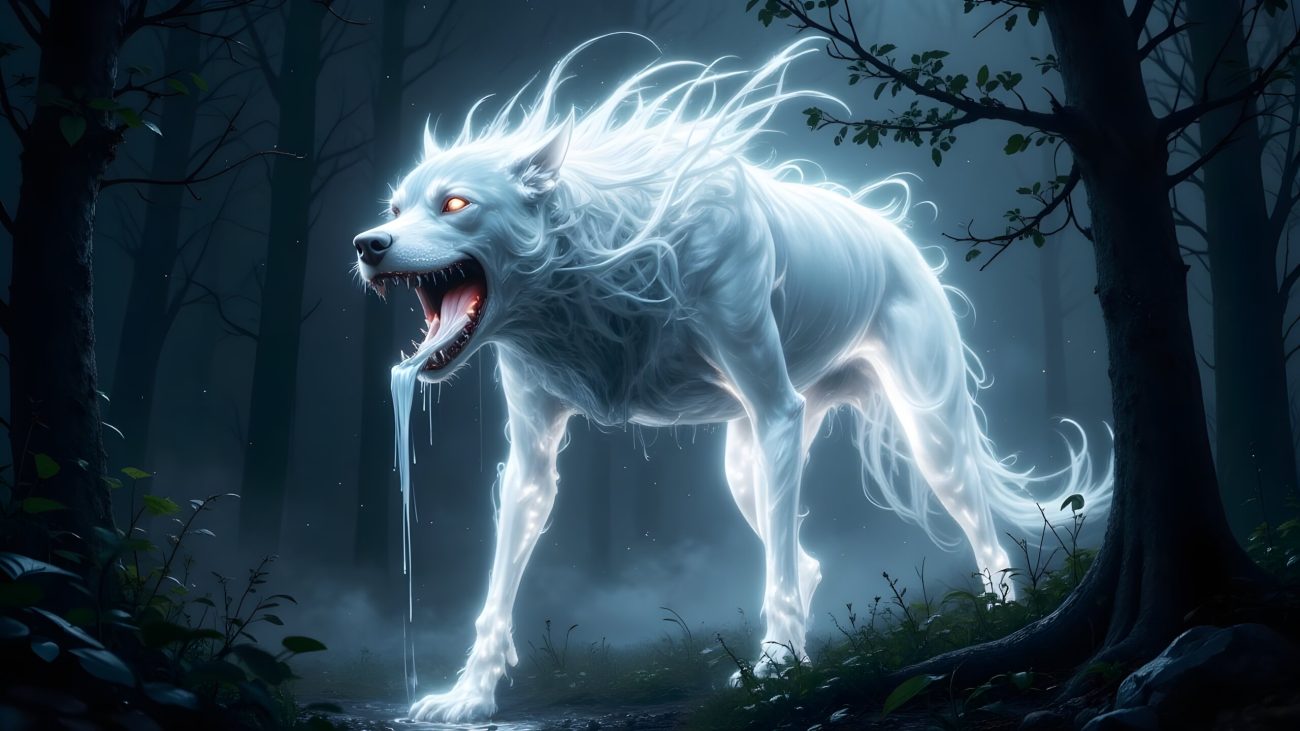
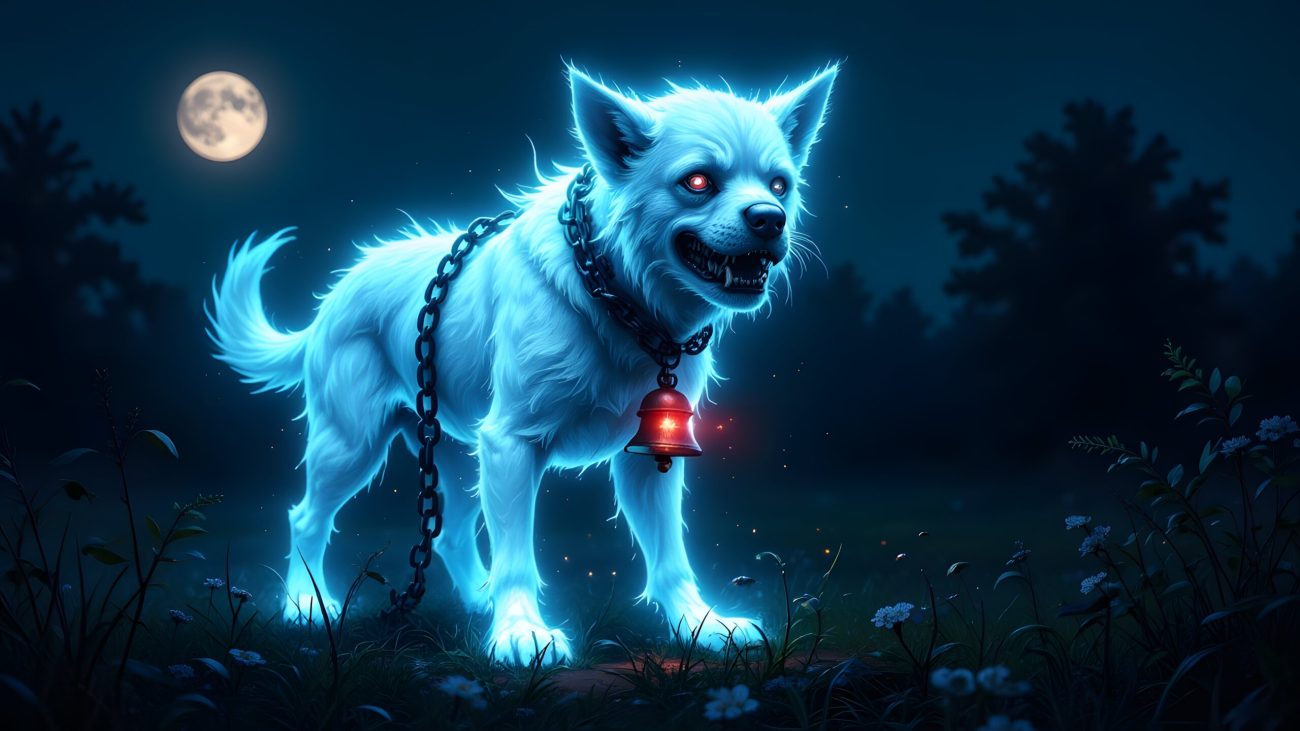
When he did appear, he was described as a white dog, gliding along the road and passing close by those who walked there. He did not always attack or speak, but his presence was enough to unsettle anyone who met him.

Some said the Smakhak was not alone in the world of spirits. He was believed to be kin to another supernatural being known as the Widde Wiend, and the two were thought to belong to the same shadowy order of night wanderers.

So the Smakhak was remembered as a ghostly white hound of the road, known more by the strange sounds of his passing than by his form, a spirit that brushed past travelers and vanished again into the dark.


Gallery


Sources

Abe de Verteller. (n.d.). Van aardmannetje tot zwarte juffer: Een lijst van Nederlandse en Vlaamse elfen en geesten. In abedeverteller.nl, from https://abedeverteller.nl/van-aardmannetje-tot-zwarte-juffer-een-lijst-van-nederlandse-en-vlaamse-elfen-en-geesten/


Interpretive Lenses

Religious Readings
  • Christian Ascetic Deep Dive
Philosophical Readings
  • Nietzschean Deep Dive
Psychological Readings
  • Jungian Deep Dive
Esoteric Deep Dive
  • Hermetic Deep Dive
Political / Social Readings
  • Marxist Deep Dive

Polderhond

Tradition / Region: Dutch Mythology
Alternate Names:
Category: Dog


The Myth

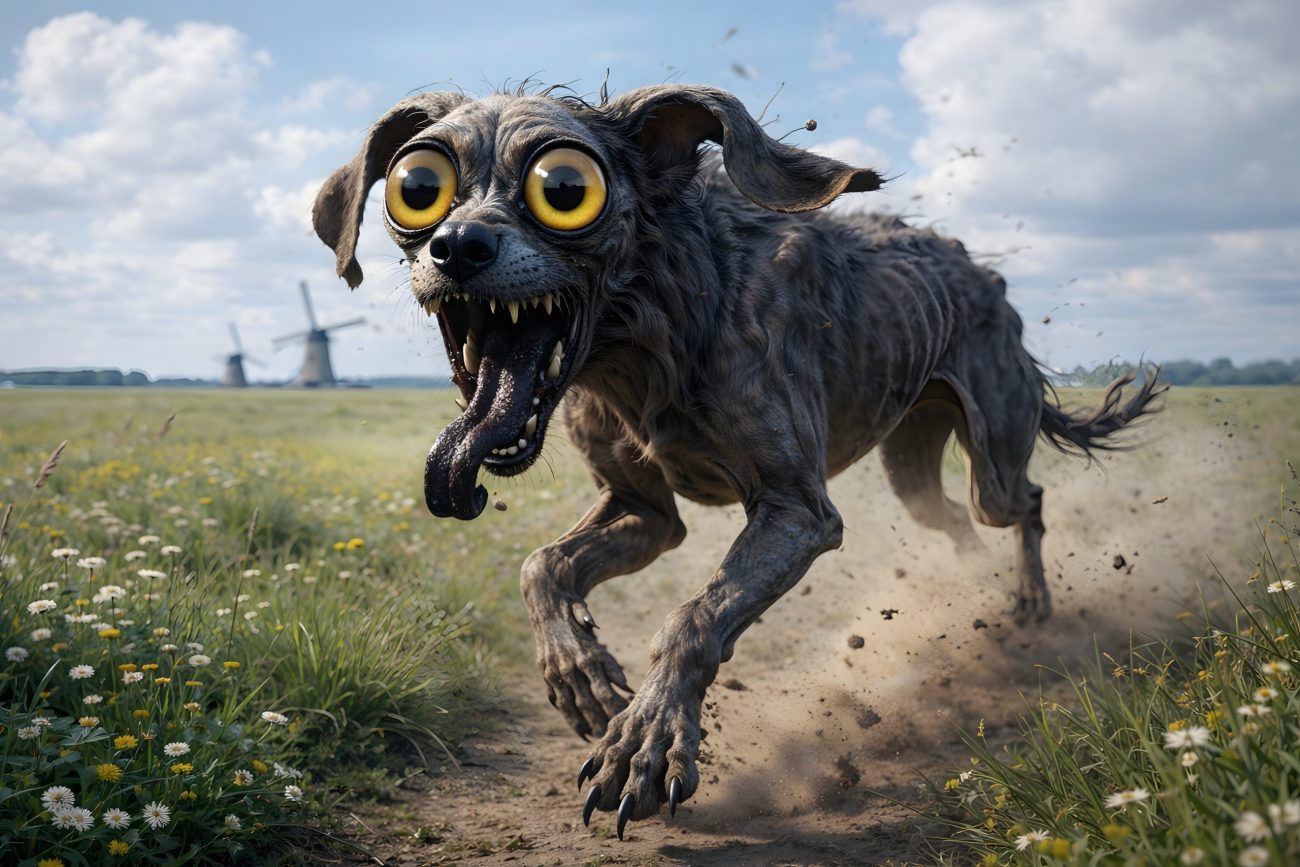
In the province of Groningen, stories were told of a spectral animal known as the Polderhond.

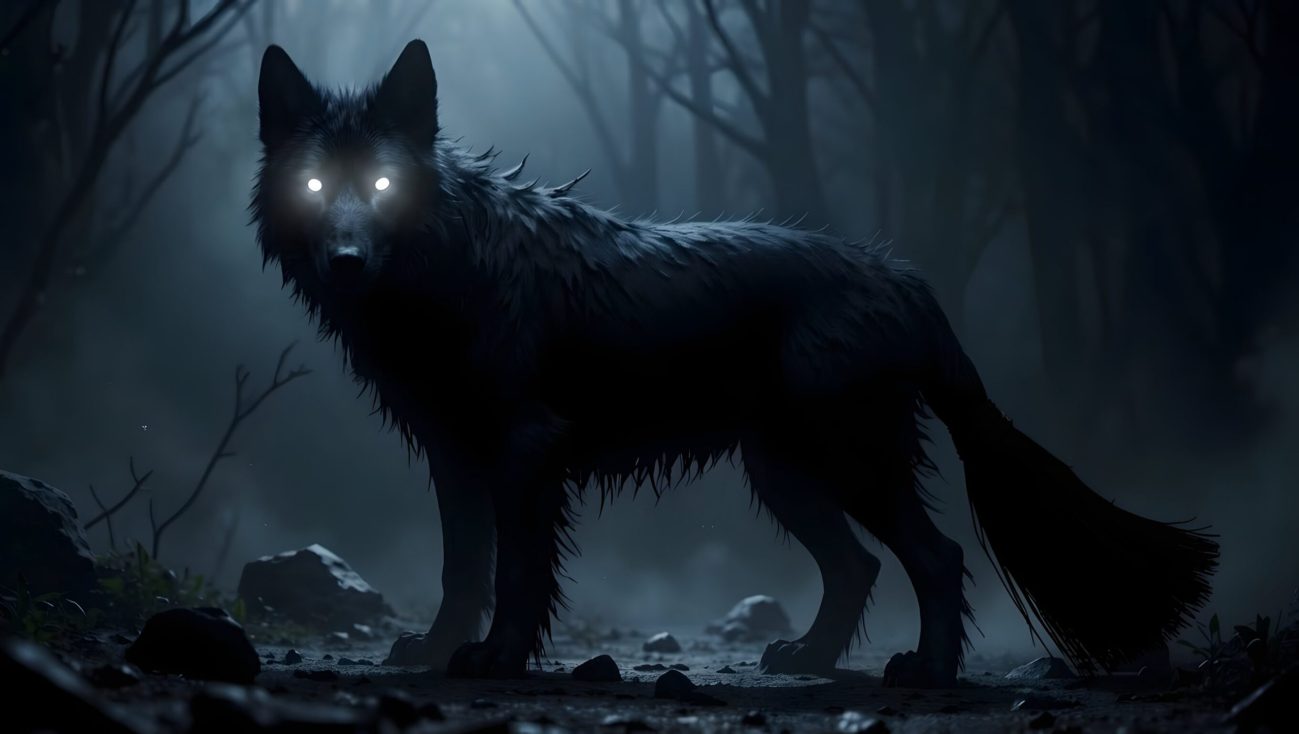
He was described as a rough, black dog, wild in appearance, with a tail like a broom. People rarely saw him clearly, but they often heard him. His howling carried across the open land, echoing over fields and ditches. At times the sound seemed to come not only from the land but from the water itself, as though the creature moved between both.

The Polderhond was counted among the ghostly hounds that haunted lonely places. He wandered the polders, appearing in the dark and vanishing just as quickly, leaving behind only the sound of his cry.

Those who heard him knew that something uncanny was near, and the night would feel heavier until the howling faded and the fields fell silent again.

So the Polderhond remained in memory as a dark spirit of the northern lowlands — a black hound whose voice could rise from land or water, warning that the unseen world was close at hand.


Gallery


Sources

Abe de Verteller. (n.d.). Van aardmannetje tot zwarte juffer: Een lijst van Nederlandse en Vlaamse elfen en geesten. In abedeverteller.nl, from https://abedeverteller.nl/van-aardmannetje-tot-zwarte-juffer-een-lijst-van-nederlandse-en-vlaamse-elfen-en-geesten/


Interpretive Lenses

Religious Readings
  • Christian Ascetic Deep Dive
Philosophical Readings
  • Nietzschean Deep Dive
Psychological Readings
  • Jungian Deep Dive
Esoteric Deep Dive
  • Hermetic Deep Dive
Political / Social Readings
  • Marxist Deep Dive

Gries Gat

Tradition / Region: Dutch Mythology
Alternate Names: Zwartgat
Category: Dog


The Myth

In the regions around Soest and Slichtenhorst in Utrecht, people once told of a frightening apparition known as Gries Gat.

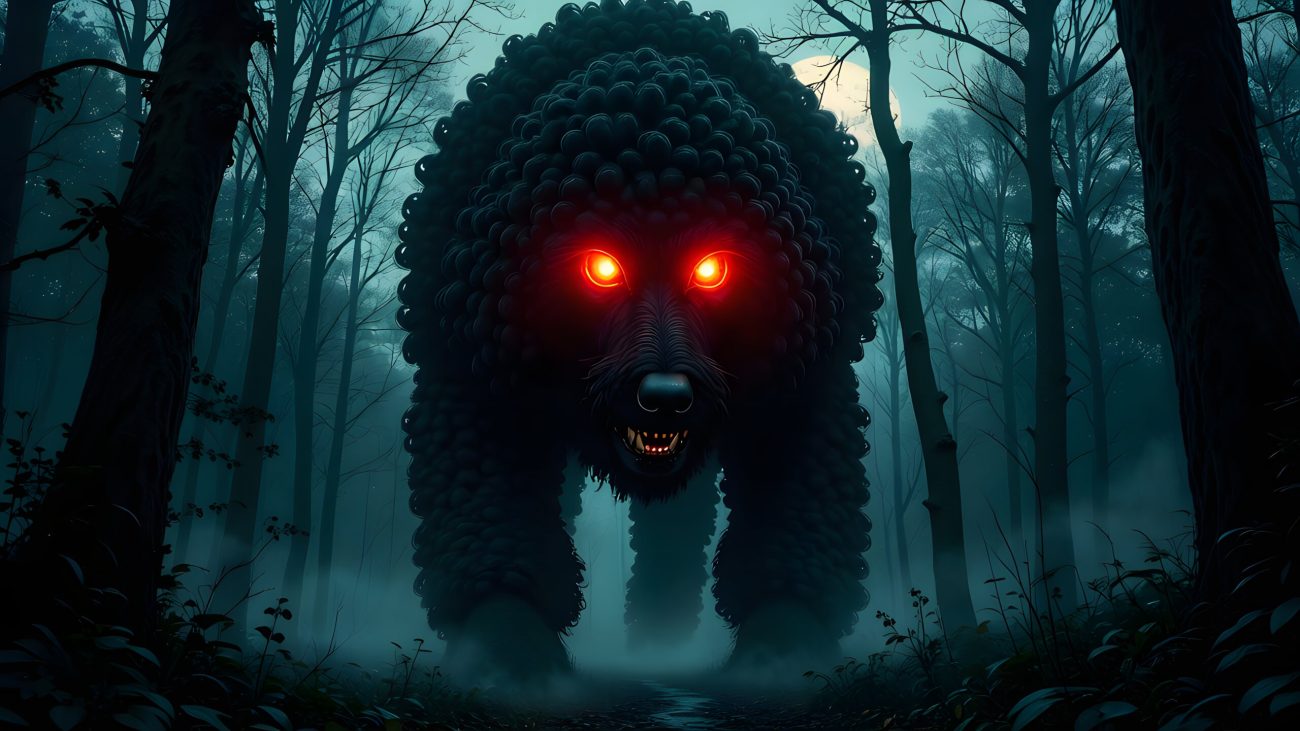
He was said to appear as a large, ugly, grey beast, most often in the form of a dog. His ears were long, and his eyes were enormous, round as saucers, glowing in the dark. Those who met him rarely did so by choice, for he was known to follow travelers on lonely roads.

If a person walked at night and sensed something behind them, it might be Gries Gat. Should they quicken their pace, the creature would do the same. If they broke into a run, he would keep behind them still, never attacking but never leaving, driving them onward in fear.

There was said to be only one way to trick him. A traveler could shout, “Here I am, and there’s another one behind you!” At that moment, Gries Gat would vanish from behind and suddenly appear at the person’s back instead, as though he had leapt through the air in an instant.

The spirit was often used to frighten children into obedience, a warning of what might follow them if they wandered alone after dark.

Sometimes, it was said, Gries Gat did not haunt the roads alone. On certain nights he was seen in the company of another spirit called Tuutmut, the two of them roaming together through the fields and paths.

So Gries Gat was remembered as a stalking presence of the night — a grey dog-shaped ghost that followed the unwary, never striking, but never letting them forget it was there.


Gallery


Sources

Abe de Verteller. (n.d.). Van aardmannetje tot zwarte juffer: Een lijst van Nederlandse en Vlaamse elfen en geesten. In abedeverteller.nl, from https://abedeverteller.nl/van-aardmannetje-tot-zwarte-juffer-een-lijst-van-nederlandse-en-vlaamse-elfen-en-geesten/


Interpretive Lenses

Religious Readings
  • Christian Ascetic Deep Dive
Philosophical Readings
  • Nietzschean Deep Dive
Psychological Readings
  • Jungian Deep Dive
Esoteric Deep Dive
  • Hermetic Deep Dive
Political / Social Readings
  • Marxist Deep Dive

Flodder

Tradition / Region: Dutch Mythology
Alternate Names: Flodderduvel
Category: Dog


The Myth

In parts of Noord-Brabant and Zuid-Holland, people once spoke of a lurking spirit known as the Flodder.

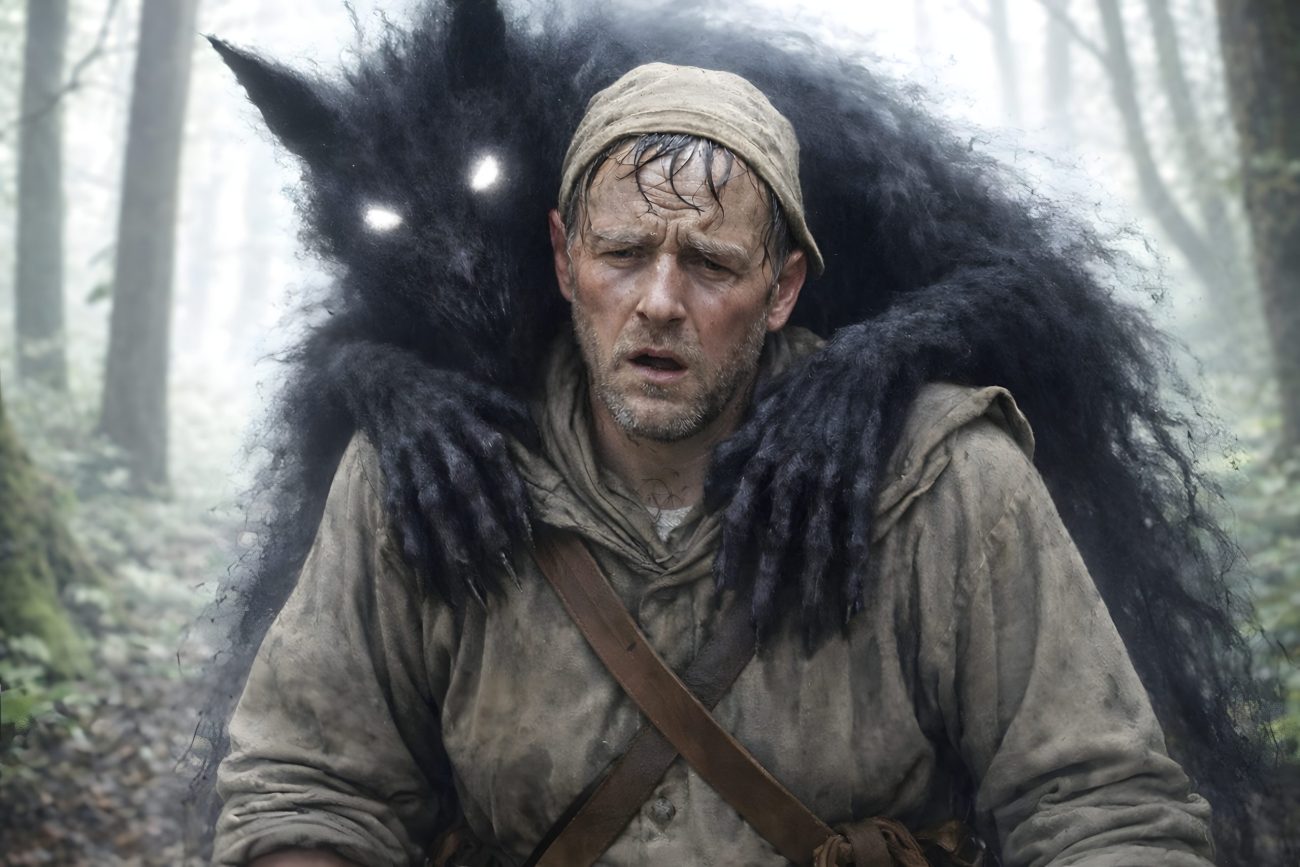
He was said to haunt ditches, dikes, ponds, and marshy places, watching from the edges of the water and waiting for someone to pass by alone at night. When the moment was right, the spirit would leap onto the traveler’s back. He wrapped his claws around the victim’s shoulders and forced himself to be carried.

Once he had mounted a person, he could not be thrown off. No matter how hard the victim struggled, the creature clung fast, growing heavier and heavier with every step. Sometimes the Flodder showed himself as a black dog, other times as a cat or even a calf. Often, however, he remained unseen, and the traveler felt only the crushing weight on their back.

Those burdened by him said they could feel wet, frog-like limbs tightening around their neck, and at times the creature would lick their face with a cold, clammy tongue. The victim had no choice but to stagger onward until they reached home, arriving soaked, shaking, and utterly exhausted from carrying the spirit’s weight.

Because of his cruel nature and his power to drag people toward water, many believed the Flodder to be a form taken by the devil himself.

One tale tells of a local officer who boasted that he would capture the creature. He stood beside a brook, watching and waiting, when suddenly he felt an unseen weight drop onto his shoulders. Slowly but irresistibly, the force pushed him downward. Step by step he was driven toward the water, until he was forced into the stream and drowned there.

So the Flodder was remembered as a lurking spirit of wet places — sometimes seen as a black dog, sometimes invisible — waiting for the lonely traveler to pass within reach.


Gallery


Sources

Abe de Verteller. (n.d.). Van aardmannetje tot zwarte juffer: Een lijst van Nederlandse en Vlaamse elfen en geesten. In abedeverteller.nl, from https://abedeverteller.nl/van-aardmannetje-tot-zwarte-juffer-een-lijst-van-nederlandse-en-vlaamse-elfen-en-geesten/


Interpretive Lenses

Religious Readings
  • Christian Ascetic Deep Dive
Philosophical Readings
  • Nietzschean Deep Dive
Psychological Readings
  • Jungian Deep Dive
Esoteric Deep Dive
  • Hermetic Deep Dive
Political / Social Readings
  • Marxist Deep Dive

Bellenman

Tradition / Region: Dutch Mythology
Alternate Names:
Category: Dog


The Myth

In the provinces of Noord-Brabant and Limburg, people once spoke of a night spirit known as the Bellenman.

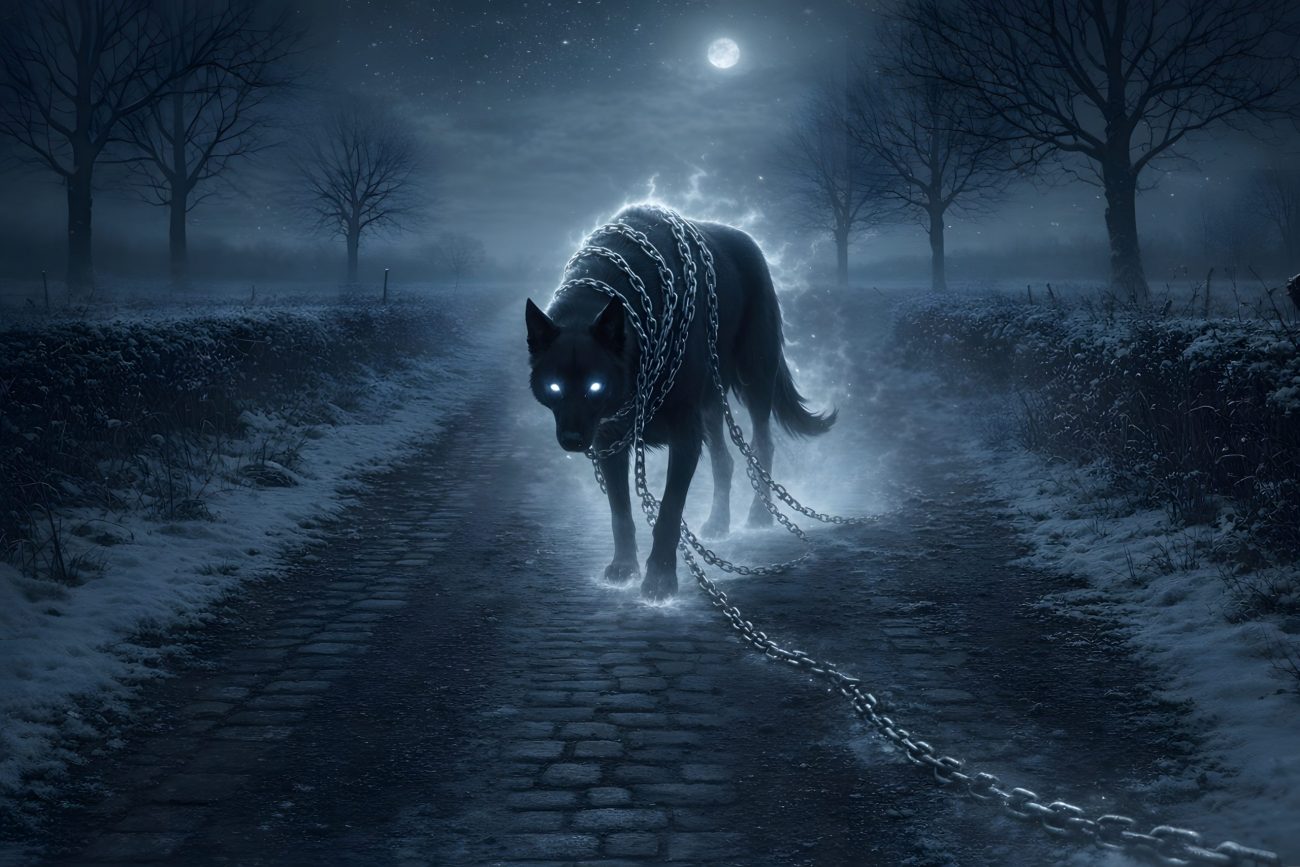
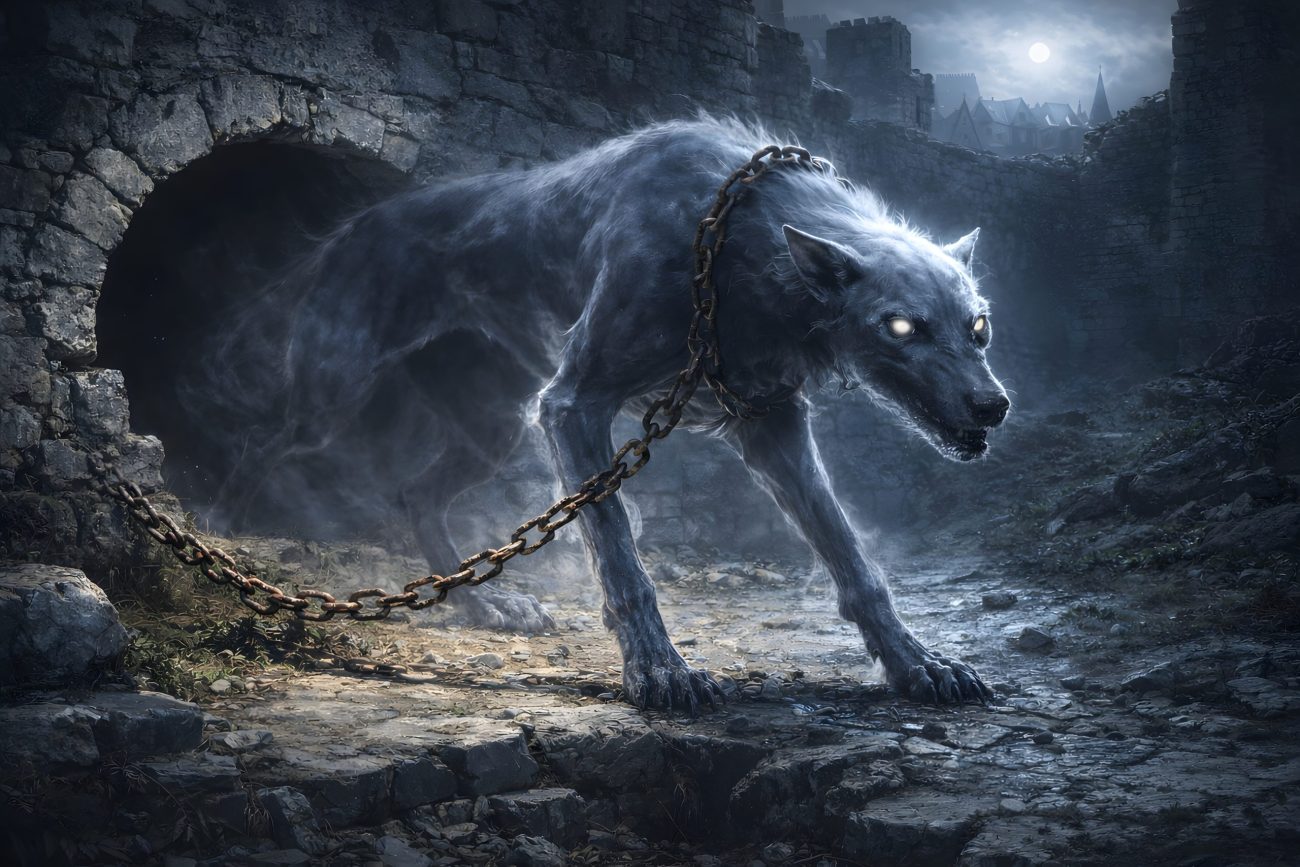
He was said to take the form of a hideous dog or a wolf-like creature, sometimes described as almost a werewolf. Around his neck hung a bell, and chains dragged along his body. Even when he could not be seen, people claimed they could hear the rattling of iron and the dull ringing that announced his presence in the darkness.

The Bellenman was most often encountered by those walking alone at night. Travelers would suddenly sense that something was following them. Footsteps would sound behind them, or the noise of chains would scrape along the road. If they turned, they might see nothing — or only a shadowy shape keeping pace just beyond sight.

He did not usually attack. Instead, he followed his victim silently, driving them forward in fear. The spirit would pursue a person all the way to their door, only stopping once they had reached their home. Then the sounds would cease, and the night would fall quiet again.

Because he was often invisible, many believed the Bellenman belonged more to the world of ghosts than to that of living beasts — a restless presence that wandered the roads after dark, heard before he was ever seen.

And so those who traveled late at night were warned to listen carefully, for the faint ringing of a bell or the dragging of chains might mean that the Bellenman had begun to follow.


Gallery


Sources

Abe de Verteller. (n.d.). Van aardmannetje tot zwarte juffer: Een lijst van Nederlandse en Vlaamse elfen en geesten. In abedeverteller.nl, from https://abedeverteller.nl/van-aardmannetje-tot-zwarte-juffer-een-lijst-van-nederlandse-en-vlaamse-elfen-en-geesten/


Interpretive Lenses

Religious Readings
  • Christian Ascetic Deep Dive
Philosophical Readings
  • Nietzschean Deep Dive
Psychological Readings
  • Jungian Deep Dive
Esoteric Deep Dive
  • Hermetic Deep Dive
Political / Social Readings
  • Marxist Deep Dive