Tçulo

Tradition: Romani Mythology, Czech Mythology
Alternative Names: Tçulo (“Thick” or “Potbellied”)
Category: Insect


The Myth

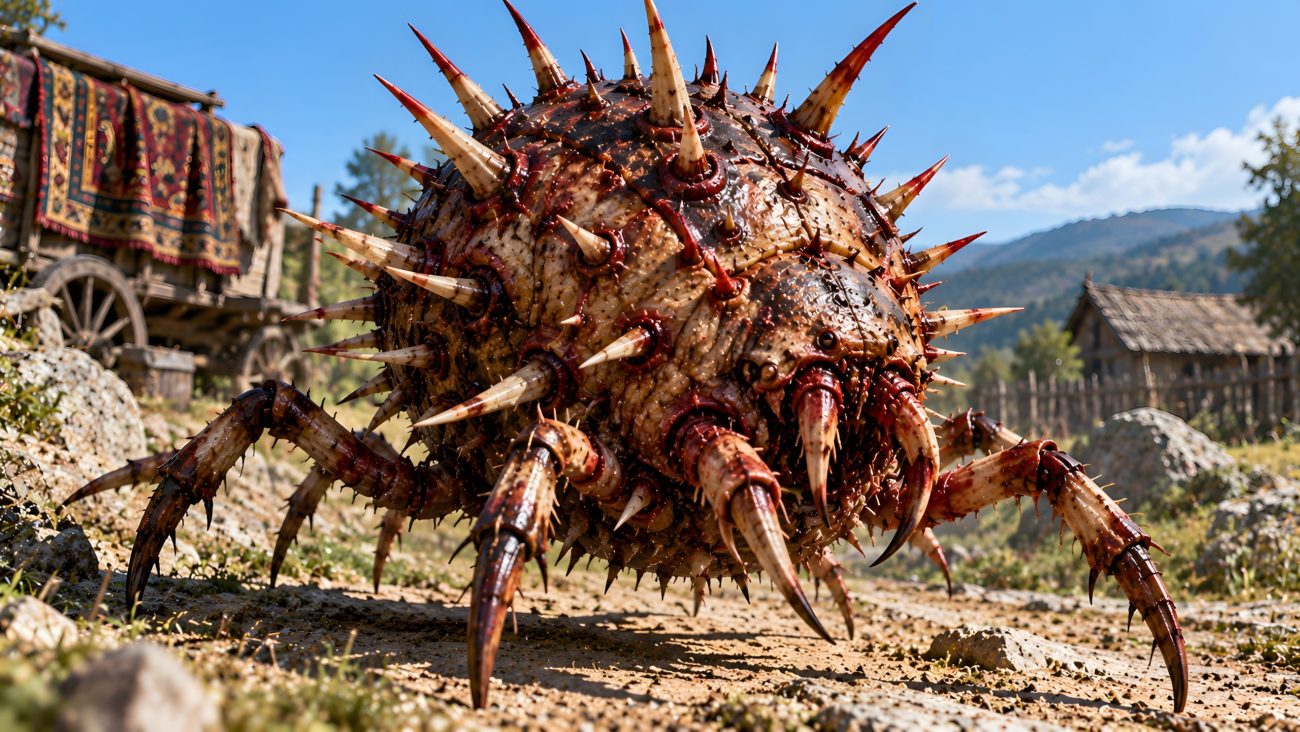
Tçulo is a small, spiked demon of disease from Roma folklore. His body resembles little more than a ball covered in sharp spikes, but despite his tiny size, he brings severe suffering to those he inhabits. He enters the human body and rolls around inside the intestines, causing intense abdominal pain and colic. He particularly targets pregnant women, tormenting them with his painful attacks. Even his older sister, Lilyi, was not spared from his cruelty.

Tçulo is the third child of Ana, Queen of the Keshalyi, and was brought into existence through the schemes of the evil King of the Loçolico. The king sought to impregnate Ana, while the demon Melalo helped him by producing soporific vapors that allowed him to approach his sleeping wife. Meanwhile, Melalo was fathering his own brood of disease demons with Lilyi. Jealous of his son’s offspring, the king followed Melalo’s advice and ate a stag beetle and a crayfish before visiting Ana. Tçulo was conceived as a result.

Like his siblings, Tçulo is described as a wholly vile demon without redeeming qualities. His attacks generally cause pain rather than death, but his suffering helped give rise to further diseases. His torment of Lilyi was connected to the conception of Tçaridyi, his own sister-wife. Together, Tçulo and Tçaridyi caused painful illnesses, and their offspring were associated with diseases affecting women.


Sources

“Tculo.” A Book of Creatures, October 6, 2016. https://abookofcreatures.com/2016/10/06/tculo/

Minceskro

Tradition: Romani Mythology, Czech Mythology
Alternative Names: None recorded
Category: Insect


The Myth

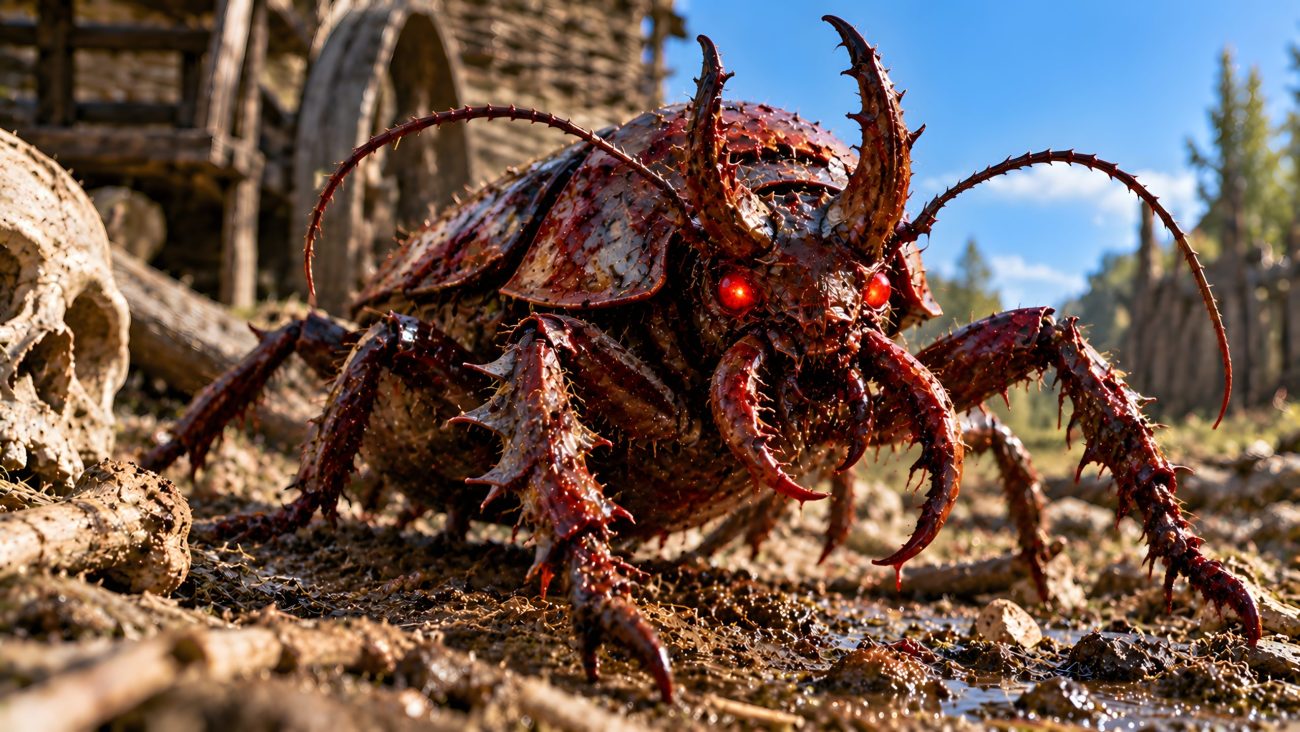
Minceskro is a small, hairy beetle-like demon in Romani mythology, associated with blood disorders and sexually transmitted diseases. She crawls across the human body and enters the bloodstream, where she causes illnesses including gonorrhea, leucorrhea, and syphilis. Her insect form makes her a hidden source of disease, capable of entering the body and spreading suffering from within.

Minceskro is the eighth child and fourth daughter of Ana, Queen of the Keshalyi, and the King of the Loçolico. She and her siblings are described as Romani demons of disease, born from an abusive and unnatural union. By the time her brother Lolmisho the Red Mouse was born, Ana had become desperate over the monstrous children she had produced. She begged Melalo, a two-headed bird, to sterilize her and prevent any further births.

Melalo instructed Ana to bury herself in a dung heap. Rather than preventing another demon from being born, however, this act allowed a dung beetle to enter her body. Minceskro emerged from that beetle, becoming another of Ana’s disease-bearing offspring. Her unusual origin connects her directly with filth and dung, distinguishing her from her siblings while explaining her beetle-like form.

Minceskro’s husband is Lolmisho, the Red Mouse, and their children are responsible for further diseases, including measles, smallpox, and scarlet fever. Through this family, illnesses are represented as a lineage of supernatural beings, each contributing to the suffering of humanity.

A traditional remedy for syphilis was associated with Minceskro’s origins. According to the account, the patient was buried in manure and sprinkled with firewater, a procedure believed to drive the beetle from the body and heal the resulting ulcers. This was a folkloric treatment based on the supernatural explanation of disease, rather than a medically effective remedy.

Minceskro embodies the fear of illnesses that enter the body unseen and attack the blood. Her connection to dung, her beetle form, and her role as the mother of further disease demons place her among the supernatural beings through which Romani folklore explained the origins and spread of sickness.


Sources

“Minceskro.” A Book of Creatures, March 13, 2017. https://abookofcreatures.com/2017/03/13/minceskro/


Tçaridyi

Tradition: Romani Mythology, Czech Mythology
Alternative Names: The Hot One, The Burning One
Category: Insect


The Myth

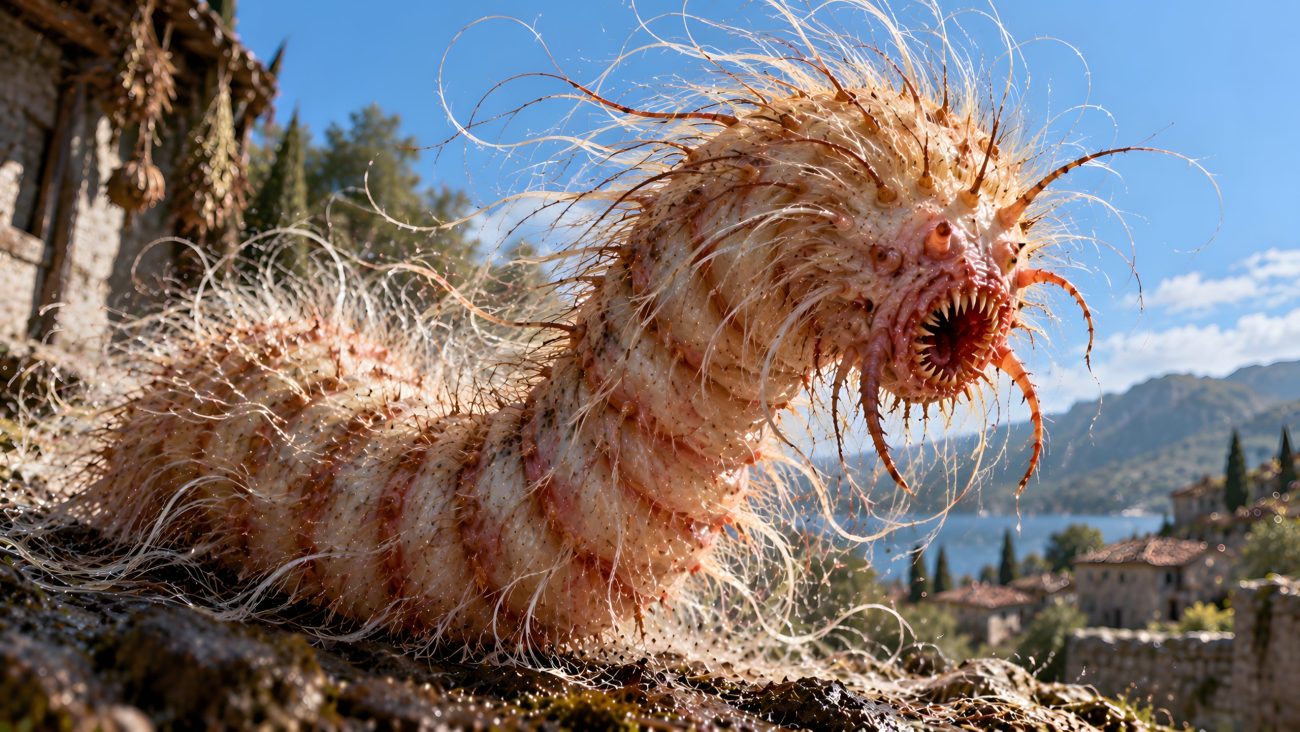
Tçaridyi is a small, hairy worm or caterpillar that causes fever and inflammation in women. Her body is covered in long hairs that detach as she moves through the human body. These hairs are believed to irritate the tissues, producing heat, pain, and illness. She travels through the arteries and veins, infesting women and bringing particular suffering through puerperal fever.

Tçaridyi is one of the disease-causing children of Ana, a Keshali fairy in Romani folklore, and the King of the Loçolico. She was conceived unnaturally to become the wife of Tçulo, one of Ana’s other offspring. Tçulo had become increasingly troublesome, even persecuting his own sister Lilyi, and Melalo suggested that the King produce a wife for him to distract him. The precise circumstances of Tçaridyi’s conception are unknown, although the account suggests that worms may have been involved.

Tçaridyi and Tçulo became the parents of beings responsible for women’s diseases. While both spouses torment humanity, they are said to rarely cause death. Tçaridyi’s particular danger lies in the way her detached hairs bring fever and inflammation as she moves through a woman’s bloodstream.

Tçaridyi represents disease as a tiny creature that enters the body and causes harm through its movements. Her worm-like form and irritating hairs offer a supernatural explanation for fever and inflammation, while her association with puerperal fever places her among the disease demons feared for the dangers they posed to women.


Sources

“Tcaridyi.” A Book of Creatures, October 14, 2016. https://abookofcreatures.com/2016/10/14/tcaridyi/


Bitoso

Tradition: Romani Mythology, Czech Mythology
Alternative Names: The Faster, The Fasting One
Category: Insect


The Myth

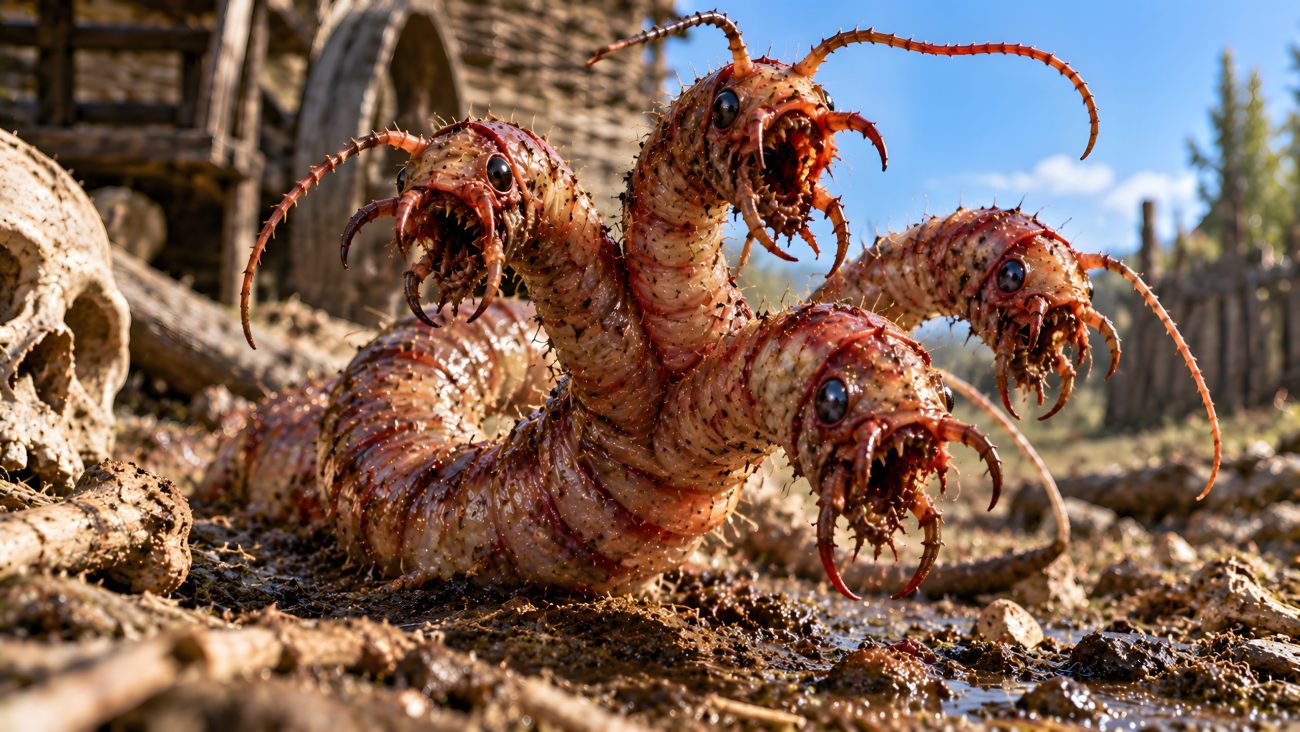
Bitoso is a small, multi-headed worm in Romani folklore, described in some accounts as having four heads. He lives within the body and causes a range of relatively mild ailments, including headaches, stomachaches, and loss of appetite. His gnawing is believed to produce earaches and toothaches, making him a supernatural explanation for the painful sensations associated with illness. Among the disease-causing beings in his family, Bitoso is considered the least harmful.

Bitoso is one of the children of Ana, a Keshali fairy who was coerced into bearing the offspring of the King of the Loçolico. His birth followed advice from Melalo, who recommended that the King eat garlic upon which he had urinated. After the King visited Ana, she gave birth to Bitoso, who later became the husband of Schilalyi.

Bitoso and Schilalyi have children responsible for further ailments, including colic, cramps, tinnitus, and toothache. Through this family, physical suffering is represented as the work of supernatural creatures living within or affecting the human body. Although Bitoso himself is comparatively harmless, his offspring contribute to the range of pains and discomforts attributed to their lineage.

The belief that worms cause toothache has a much older history beyond Romani folklore. An ancient Babylonian tale describes how a worm came into existence through a chain of creation beginning with the heavens and continuing through the Earth, rivers, canals, and marshes. The worm then approached the gods Shamash and Ea, demanding food. Rejecting figs and pomegranates, it instead chose to live between the teeth and jawbone, where it would destroy blood vessels, seize the roots, and weaken the teeth.

Bitoso belongs to a tradition in which worms are imagined as hidden agents of bodily pain. His multiple heads and gnawing behaviour make him an unsettling but relatively mild member of Ana’s disease-causing offspring, embodying the idea that even ordinary aches and pains can have a living supernatural cause.


Sources

“Bitoso.” A Book of Creatures, November 18, 2016. https://abookofcreatures.com/2016/11/18/bitoso/