Efimon

Tradition / Region: Russian Mythology
Alternate Names:
Category: Bogeyman, House dweller


The Myth

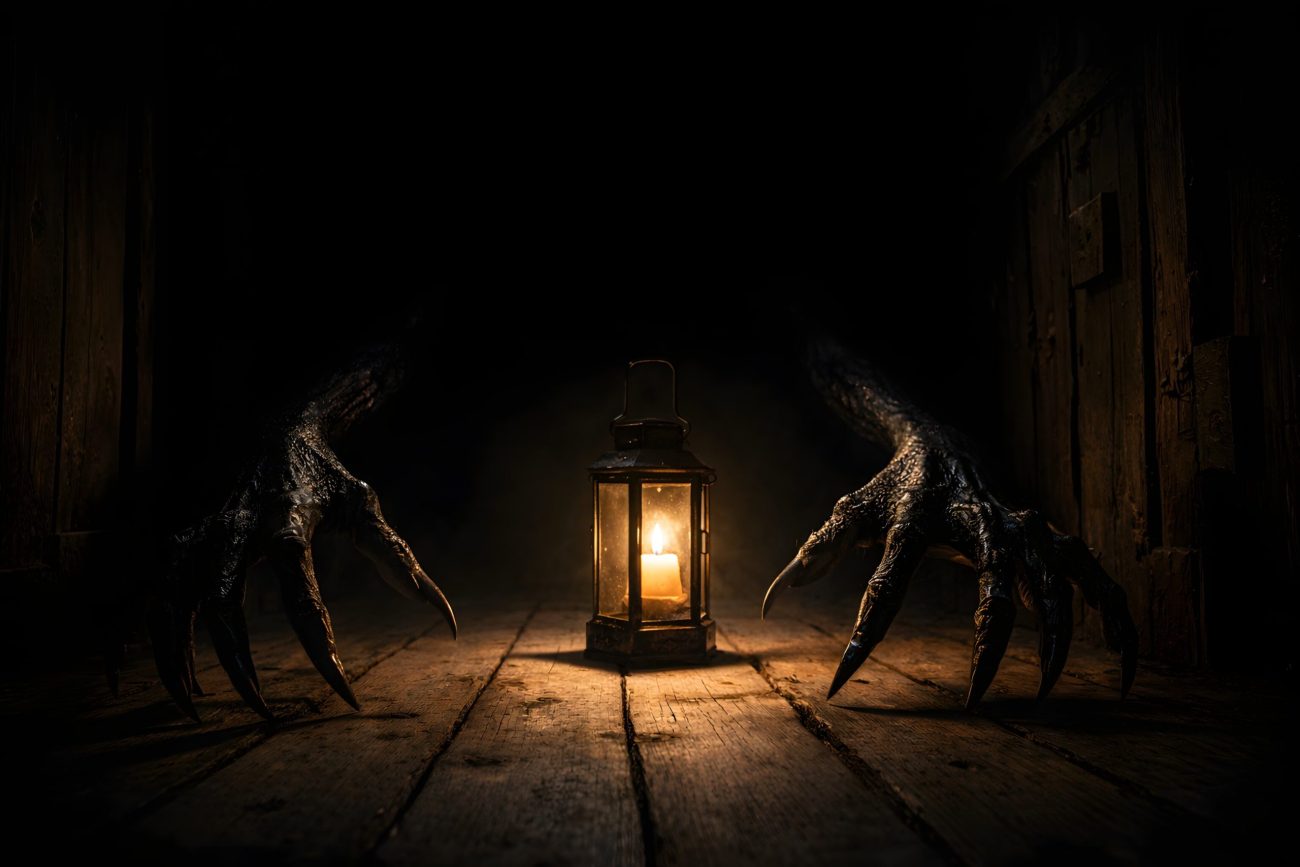
In the Arkhangelsk region of northern Russia, Efimon is known as a frightening figure used to warn and restrain children on the eve of Great Lent. Parents and elders would invoke his name to signal the end of carefree winter pleasures and the arrival of a strict, joyless time.

Children were told that while sledding and play were still allowed today, tomorrow Lent would arrive—and with it, Efimon. Adults would say that once Efimon began to walk, there would be no more games or fun. In this way, Efimon became a figure associated with restraint, silence, and the loss of festive freedom.

The origin of Efimon lies not in folklore alone, but in Christian ritual. In church tradition, Efimon is the name of an evening service held during Lent, derived from the Hebrew phrase meaning “God is with us.” Over time, this liturgical term entered popular speech and was transformed into a personified image of Lent itself.

Unlike the lively and celebratory Maslenitsa, Lent was seen as dull, strict, and unwelcome. This contrast is reflected in sayings in which people symbolically drive Efimon away, sending him to distant places. In this sense, Efimon represents the oppressive side of fasting—the quiet, discipline, and abstinence that follow carnival excess.

Among many European peoples, the transition from carnival to fasting is marked by ritualized opposition between two characters. Maslenitsa or carnival figures are often defeated, expelled, or destroyed, while Lent always emerges victorious. Similar traditions appear across Europe: among the Czechs, Maslenitsa ends with the burial of Myasopust; among the Serbs, Lent is personified as Baba Korizma; in England, a ragged figure called Jack-o’-Lent was paraded and abused throughout the fasting season. Medieval Europe also preserved stories of symbolic battles between Don Carnal and Doña Cuaresma, representing excess and abstinence.

Within East Slavic folklore, however, such personifications of Lent are rare. Efimon stands as a limited but notable example of this tradition. Earlier records from the Mezen region, dating to 1839, show Efimon in a less frightening role. At that time, boys gathered on the church porch at the end of the Efimon service, tossing their caps into the air and chanting for Efimon to leave, marking the nearing end of fasting. In these early accounts, Efimon is not yet a monster, but a ritual figure tied closely to church practice.

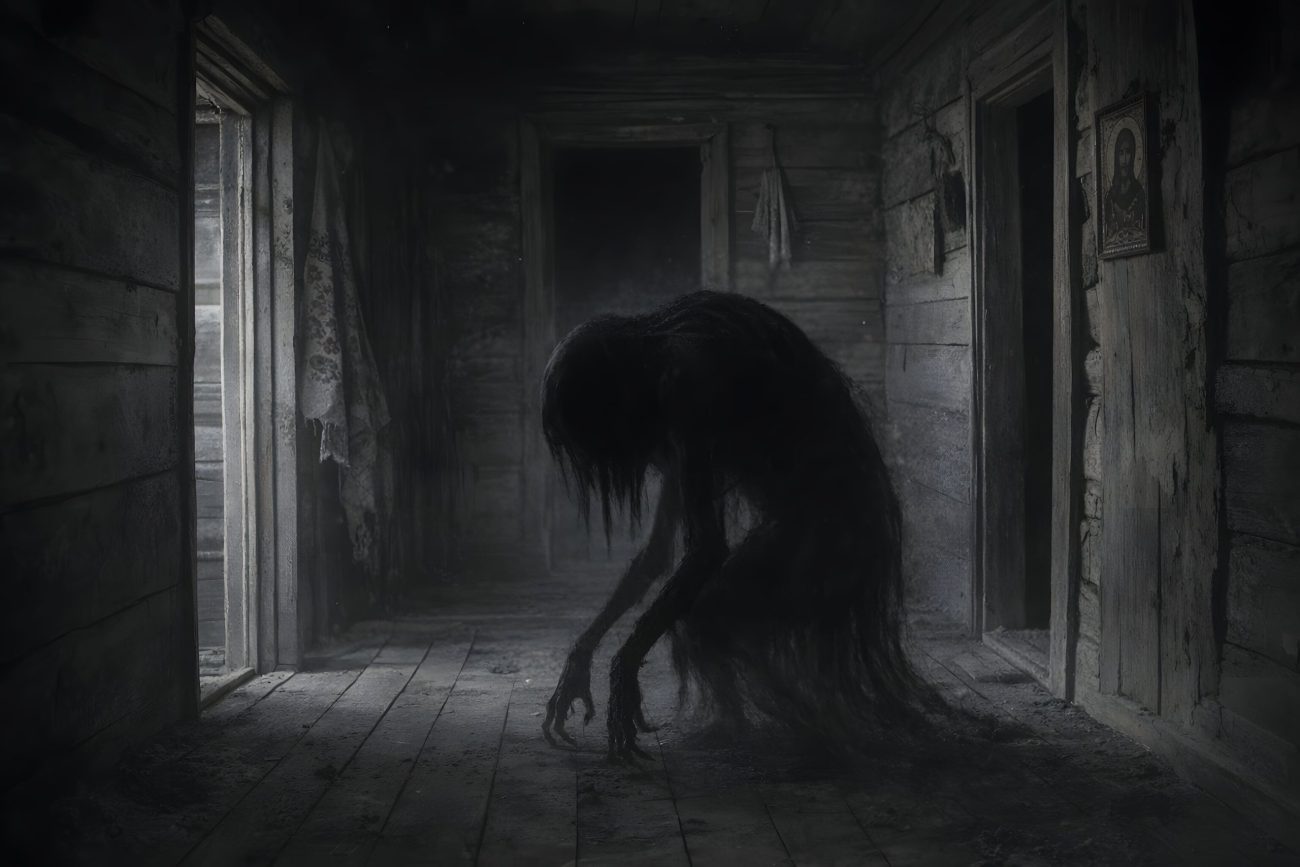
Over time, as the original religious meaning faded, Efimon’s image shifted. His role became simplified and generalized, turning him into a vague but unsettling presence—a figure of warning rather than worship. This transformation, from sacred ritual term to household bogeyman, reflects a common process in folklore, where abstract concepts gradually take on human or monstrous form in popular imagination.

Efimon thus survives not as a detailed creature, but as a name filled with meaning: the arrival of Lent, the end of play, and the quiet authority of discipline looming just beyond the threshold of childhood freedom.


Gallery


Sources

Bestiary.us contributors. (n.d.). Eterari. In Bestiary.us, from https://www.bestiary.us/eterari/


Interpretive Lenses

Religious Readings
  • Christian Ascetic Deep Dive
Philosophical Readings
  • Nietzschean Deep Dive
Psychological Readings
  • Jungian Deep Dive
Esoteric Deep Dive
  • Hermetic Deep Dive
Political / Social Readings
  • Marxist Deep Dive
Other
  • How to Invite The Efimon

Bomka

Tradition / Region: Slavic Mythology, Russian Mythology
Alternate Names:
Category: Bogeyman, House dweller


The Myth

In Slavic folklore, Bomka is a vague and unnamed terror used by adults to frighten disobedient children. It belongs to the broad class of bogeymen—creatures invoked in warnings rather than described in stories.

Parents would threaten naughty children with words such as:
“I’ll put you in the golbets, and the Bomka will snatch you from there.”
The golbets, a dark storage space beneath the house or stove, was imagined as a place where Bomka could reach its victims.

Bomka has no fixed appearance. No specific shape, size, or features are known. It exists more as an idea than a creature—an unseen presence associated with darkness, hiding places, and punishment for misbehavior.

The power of Bomka lies not in what it is, but in what it represents: an unknown danger waiting in the dark, ready to take children who do not listen.


Gallery


Sources

Bestiary.us contributors. (n.d.). Bomka. In Bestiary.us, from https://www.bestiary.us/Bomka/


Interpretive Lenses

Religious Readings
  • Christian Ascetic Deep Dive
Philosophical Readings
  • Nietzschean Deep Dive
Psychological Readings
  • Jungian Deep Dive
Esoteric Deep Dive
  • Hermetic Deep Dive
Political / Social Readings
  • Marxist Deep Dive
Other
  • How to Invite The Bomka

Kuygorozh

Tradition / Region: Mordvin Mythology, Russian Mythology, Chuvash Mythology
Alternate Names: Kuigorysh, Tryamka (related figures)
Category: House dweller


The Myth

In Mordvin and Chuvash folklore, kuygorozh are mythical beings that bring wealth, goods, and prosperity to a household. They serve their owner by secretly delivering grain, money, livestock benefits, and other valuables—often by stealing these things from neighboring households. Because of this, families believed to possess a kuygorozh were often regarded with suspicion and hostility by others in the community.

A kuygorozh is not always acquired by chance. According to Moksha tradition, one way to obtain such a being is through a long and deliberate process. A rooster must be kept for seven years, after which it will lay two small eggs. These eggs are then incubated by the owner—an old man or woman—by keeping them under the arm for three, five, six, or seven weeks, depending on the account. From these eggs hatch kuigorysh, small spirits of enrichment and theft.

Kuigorysh are described as small, cat-sized beings that move unseen. Though invisible to most people, they are physical and active. They walk about stealing grain from other barns and carrying it back to their master. Their cheeks contain natural pouches that expand when filled, each capable of holding a considerable amount of grain or goods. When empty, they are barely noticeable; when full, their cheeks swell like bladders.

Other traditions describe different origins. A kuigorysh may hatch from the egg of a red rooster, the first egg of spring, an owl’s egg stolen from the forest, or the egg of a black hen—producing a black, invisible spirit. In some villages, kuigorozhi are not hatched from eggs at all but are invited. In such cases, the owner must go to a cemetery on the first dark night of spring and call out to the spirits. Small humanoid beings then rise from the ground, surrounding the petitioner and pleading in thin voices to be taken. The chosen ones follow the person home, while the others cry as they fade away.

These cemetery-invited kuigorozhi are often understood as ancestral spirits who continue to help their descendants. They must be fed and treated with care, just as ancestors once were. Kuigorozhi are tireless workers: they demand constant tasks and cannot remain idle. In a single night, they are said to be capable of building houses, barns, plowing and sowing fields, harvesting crops, caring for livestock, and preparing enormous quantities of food.

Although generally helpful, kuigorozhi are demanding. If neglected, treated harshly, or left without work, they may become destructive—spoiling food, mixing grain with manure, scattering sand into meals, or stealing excessively and bringing ruin upon their owner. Driving them away is difficult. One method involves assigning them an impossible task, such as weaving a rope from sand or scooping water from a swamp. If this succeeds, the kuigorozh departs, taking all wealth it brought with it.

It was widely believed that households keeping kuigorozhi could be identified by signs of disorder or by ritual tests. One such belief held that kuigorozhi always consumed festive porridge beneath the crust, leaving the surface intact. Priests were sometimes said to press the crust during visits; if the hand sank in, the household was suspected of keeping such spirits.

Kuigorozhi were believed to have individual personalities—some mischievous, some obedient, some bold, others timid—and even individual physical traits. Legends tell of people attempting to acquire new kuigorozhi only to find that the same ones returned, recognizable by defects such as a missing eye or a limp.

Over time, many Mordvins came to regard kuigorozhi as fairy-tale beings rather than literal spirits. Still, until the twentieth century, widespread belief held that unexplained wealth was often the work of such helpers. Similar figures appear in neighboring traditions under different names, but the kuygorozh remains one of the most detailed and persistent images of a spirit that brings prosperity—at a cost.


Gallery


Sources

Bestiary.us contributors. (n.d.). Eterari. In Bestiary.us, from https://www.bestiary.us/eterari/


Interpretive Lenses

Religious Readings
  • Christian Ascetic Deep Dive
Philosophical Readings
  • Nietzschean Deep Dive
Psychological Readings
  • Jungian Deep Dive
Esoteric Deep Dive
  • Hermetic Deep Dive
Political / Social Readings
  • Marxist Deep Dive
Other
  • How to Invite The Kuygorozh

Baga

Tradition / Region: Russian Mythology
Alternate Names:
Category: Bogeyman, House dweller, hunchback


The Myth

Baga is one of the frightening figures used in children’s horror stories in the Russian countryside. Like many such beings, it belongs to the group of bogeymen invoked to scare children into obedience.

In the folk beliefs of the Nizhny Novgorod province, Baga is described as hunchbacked, a detail that sets it apart from other similar scare-figures such as the bogeyman or vova. Beyond this, little is said about its appearance or actions.

Baga does not appear in long legends or heroic tales. Its role is practical and immediate: a threat spoken aloud to warn children away from misbehavior or dangerous places. The creature’s power lies in fear itself, not in deeds or stories.

Like many rural bogeymen, Baga exists more as a warning than a character—an unseen presence shaped by imagination, meant to keep children cautious and obedient.


Gallery


Sources

Bestiary.us contributors. (n.d.). Eterari. In Bestiary.us, from https://www.bestiary.us/eterari/


Interpretive Lenses

Religious Readings
  • Christian Ascetic Deep Dive
Philosophical Readings
  • Nietzschean Deep Dive
Psychological Readings
  • Jungian Deep Dive
Esoteric Deep Dive
  • Hermetic Deep Dive
Political / Social Readings
  • Marxist Deep Dive
Other
  • How to Invite The Baga