Tradition / Region: Russian Mythology
Alternate Names: —
Category: Bogeyman, House dweller
The Myth
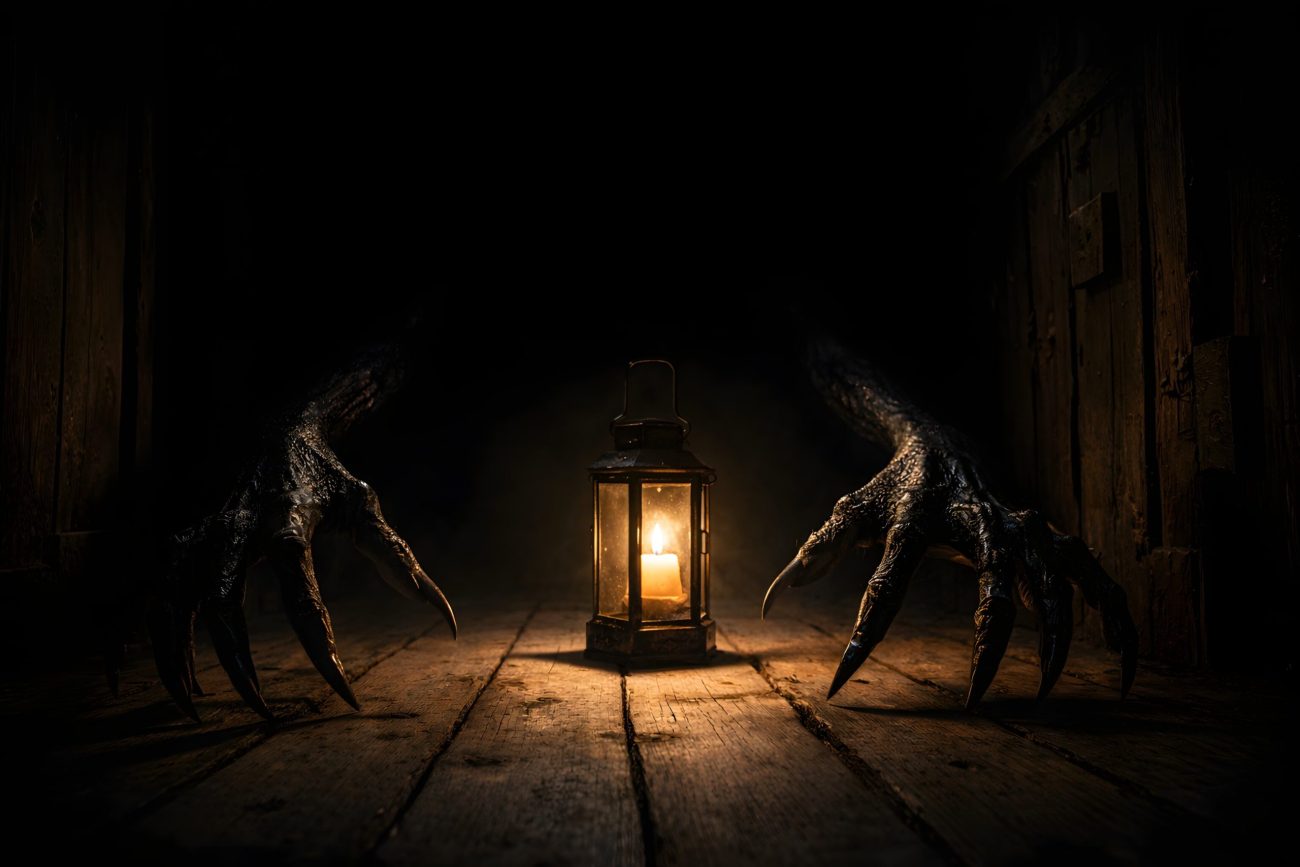
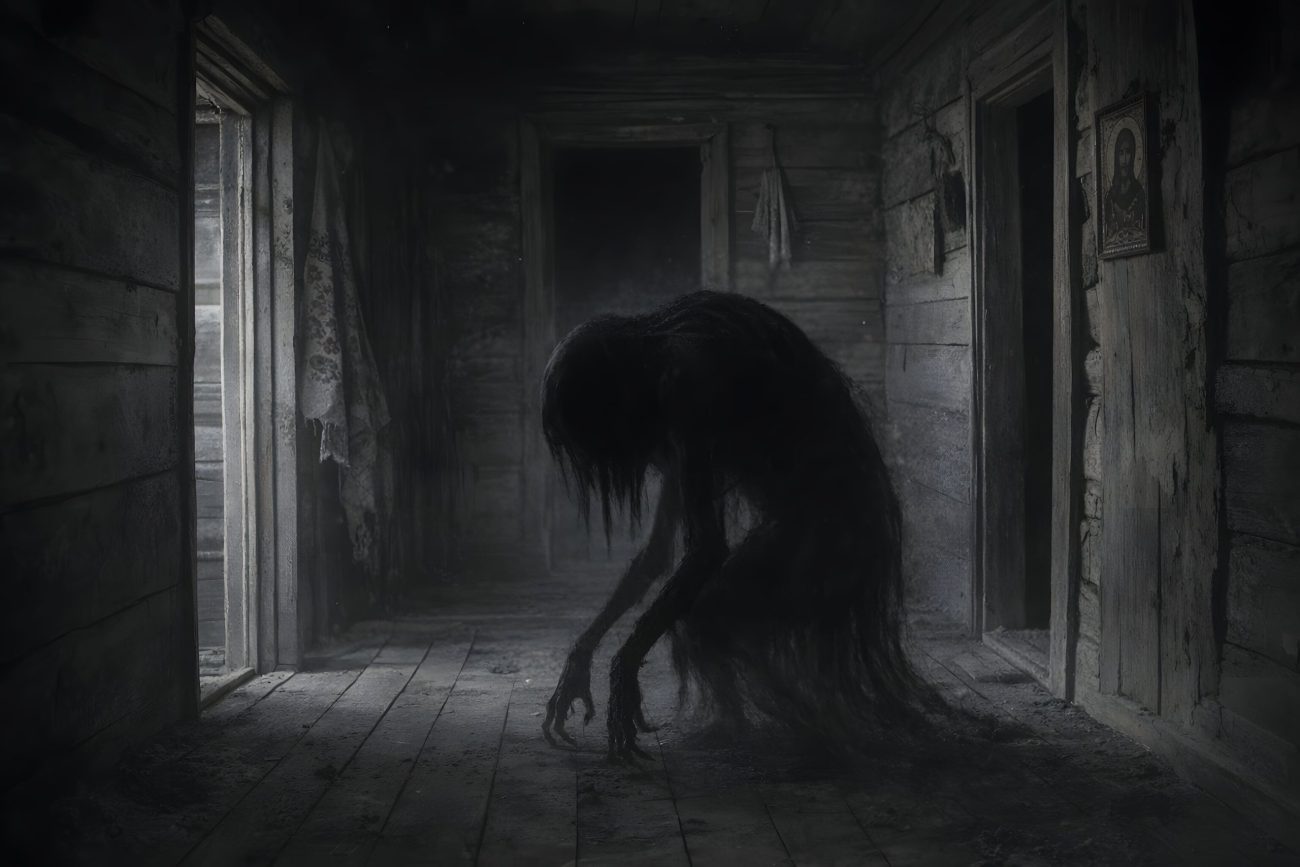
In the Arkhangelsk region of northern Russia, Efimon is known as a frightening figure used to warn and restrain children on the eve of Great Lent. Parents and elders would invoke his name to signal the end of carefree winter pleasures and the arrival of a strict, joyless time.
Children were told that while sledding and play were still allowed today, tomorrow Lent would arrive—and with it, Efimon. Adults would say that once Efimon began to walk, there would be no more games or fun. In this way, Efimon became a figure associated with restraint, silence, and the loss of festive freedom.
The origin of Efimon lies not in folklore alone, but in Christian ritual. In church tradition, Efimon is the name of an evening service held during Lent, derived from the Hebrew phrase meaning “God is with us.” Over time, this liturgical term entered popular speech and was transformed into a personified image of Lent itself.
Unlike the lively and celebratory Maslenitsa, Lent was seen as dull, strict, and unwelcome. This contrast is reflected in sayings in which people symbolically drive Efimon away, sending him to distant places. In this sense, Efimon represents the oppressive side of fasting—the quiet, discipline, and abstinence that follow carnival excess.
Among many European peoples, the transition from carnival to fasting is marked by ritualized opposition between two characters. Maslenitsa or carnival figures are often defeated, expelled, or destroyed, while Lent always emerges victorious. Similar traditions appear across Europe: among the Czechs, Maslenitsa ends with the burial of Myasopust; among the Serbs, Lent is personified as Baba Korizma; in England, a ragged figure called Jack-o’-Lent was paraded and abused throughout the fasting season. Medieval Europe also preserved stories of symbolic battles between Don Carnal and Doña Cuaresma, representing excess and abstinence.
Within East Slavic folklore, however, such personifications of Lent are rare. Efimon stands as a limited but notable example of this tradition. Earlier records from the Mezen region, dating to 1839, show Efimon in a less frightening role. At that time, boys gathered on the church porch at the end of the Efimon service, tossing their caps into the air and chanting for Efimon to leave, marking the nearing end of fasting. In these early accounts, Efimon is not yet a monster, but a ritual figure tied closely to church practice.
Over time, as the original religious meaning faded, Efimon’s image shifted. His role became simplified and generalized, turning him into a vague but unsettling presence—a figure of warning rather than worship. This transformation, from sacred ritual term to household bogeyman, reflects a common process in folklore, where abstract concepts gradually take on human or monstrous form in popular imagination.
Efimon thus survives not as a detailed creature, but as a name filled with meaning: the arrival of Lent, the end of play, and the quiet authority of discipline looming just beyond the threshold of childhood freedom.
Gallery
Sources
Bestiary.us contributors. (n.d.). Eterari. In Bestiary.us, from https://www.bestiary.us/eterari/
Interpretive Lenses
Religious Readings
- Christian Ascetic Deep Dive
Philosophical Readings
- Nietzschean Deep Dive
Psychological Readings
- Jungian Deep Dive
Esoteric Deep Dive
- Hermetic Deep Dive
Political / Social Readings
- Marxist Deep Dive
Other
- How to Invite The Efimon