Busya

Tradition: Udmurt Mythology, Russian Mythology
Alternative Names: Busy, Бусе
Category: Giant


The Myth

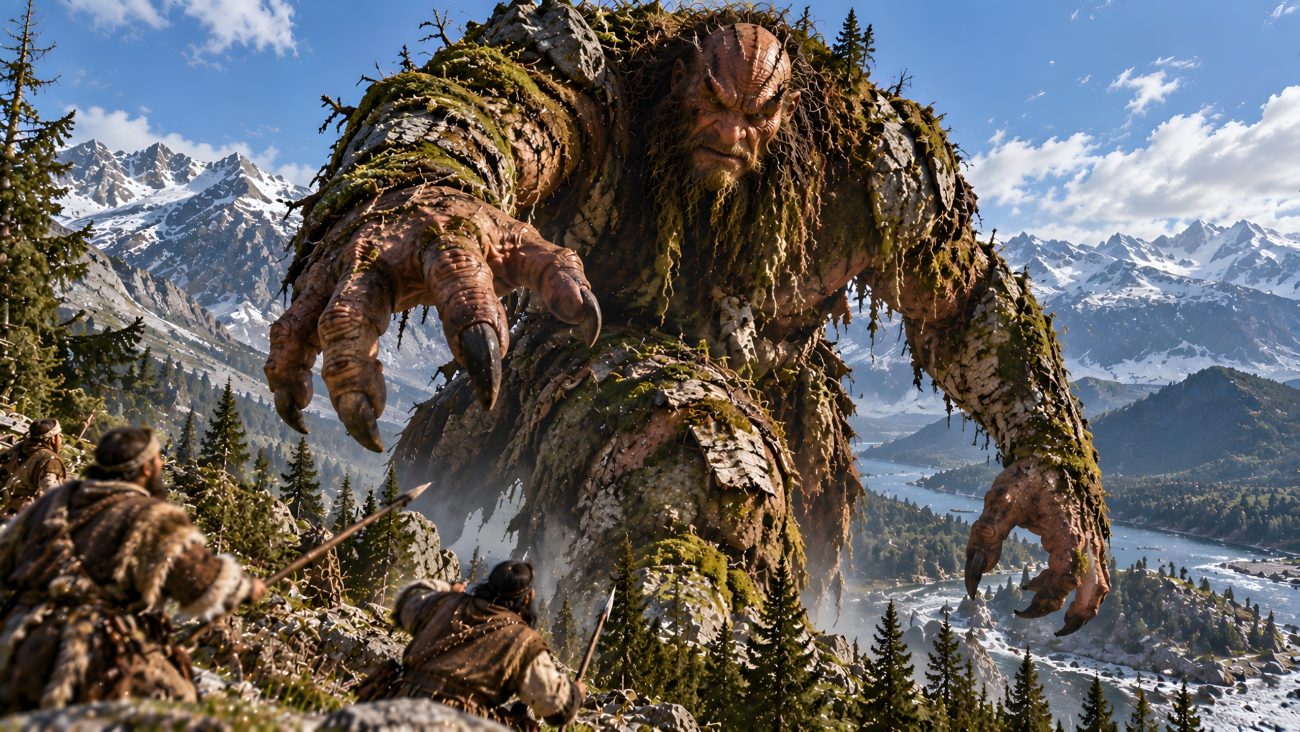
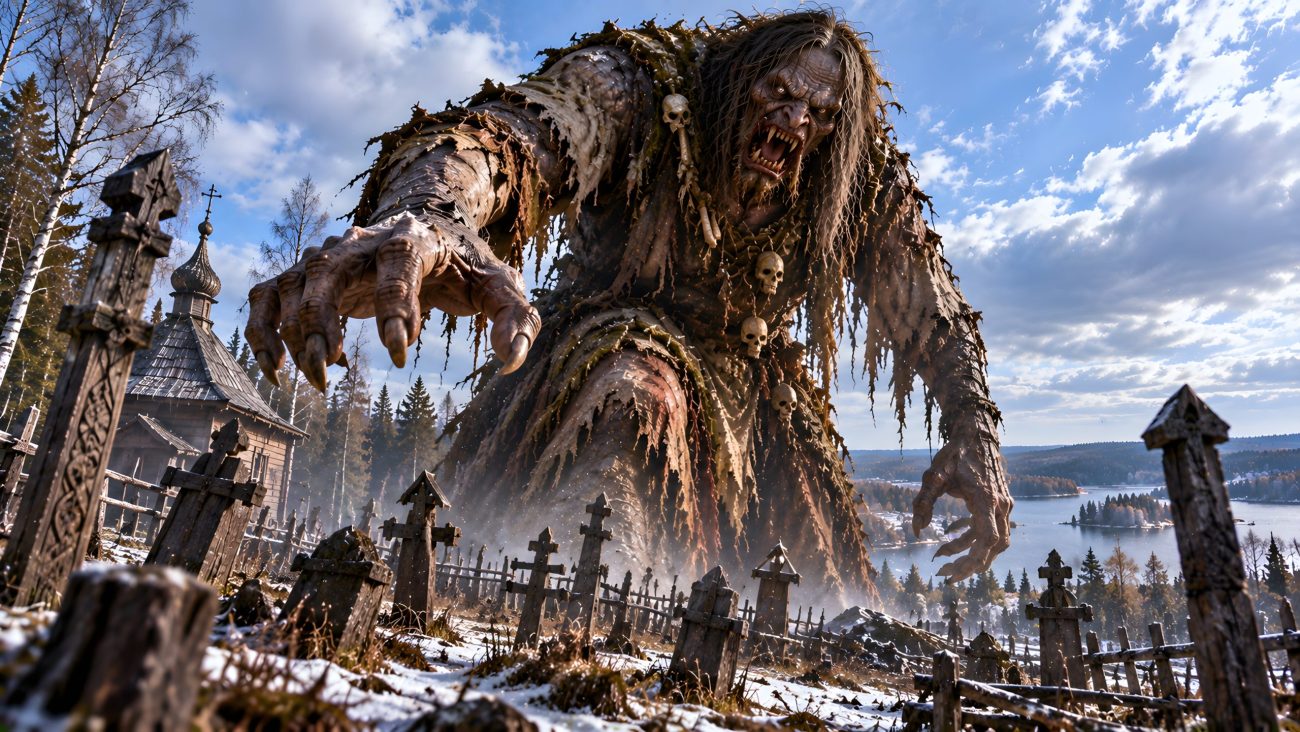
Busya is an evil spirit in Udmurt mythology, particularly associated with the belief that it preys upon the souls of the dead. It is described as a frightening supernatural being that attacks people and animals, especially in places where the dead are buried. The name also appears in the variant spelling Busy.

According to traditional accounts, Busya may appear in the form of a large, fearsome creature with prominent teeth and claws. It is associated with graveyards and places connected to death, where it is believed to attack or devour the souls of the deceased. Its terrifying appearance and predatory behavior make it a dangerous presence in the supernatural world.

Despite its frightening nature, Busya is not considered invulnerable. Traditional accounts advise people to remain cautious and avoid confronting the spirit carelessly. The creature belongs to a broader body of Udmurt beliefs about malevolent beings that threaten the living and the dead, reflecting anxieties surrounding death, burial places, and the fate of the soul.


Sources

“Busije.” New Bestiary (Bestiary.us). https://www.bestiary.us/busije

Gumira

Tradition: Ossetian Mythology, Russian Mythology
Alternative Names: Gumirs, Humira
Category: Giant


The Myth

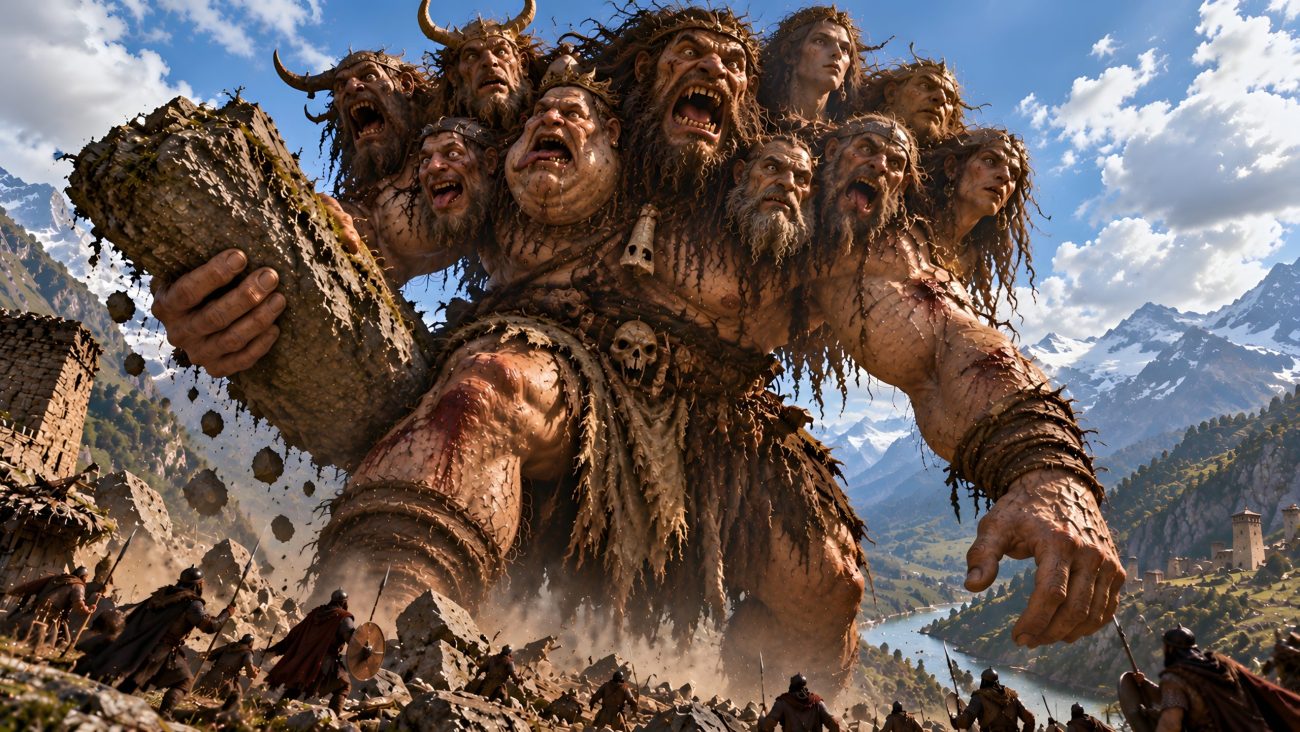
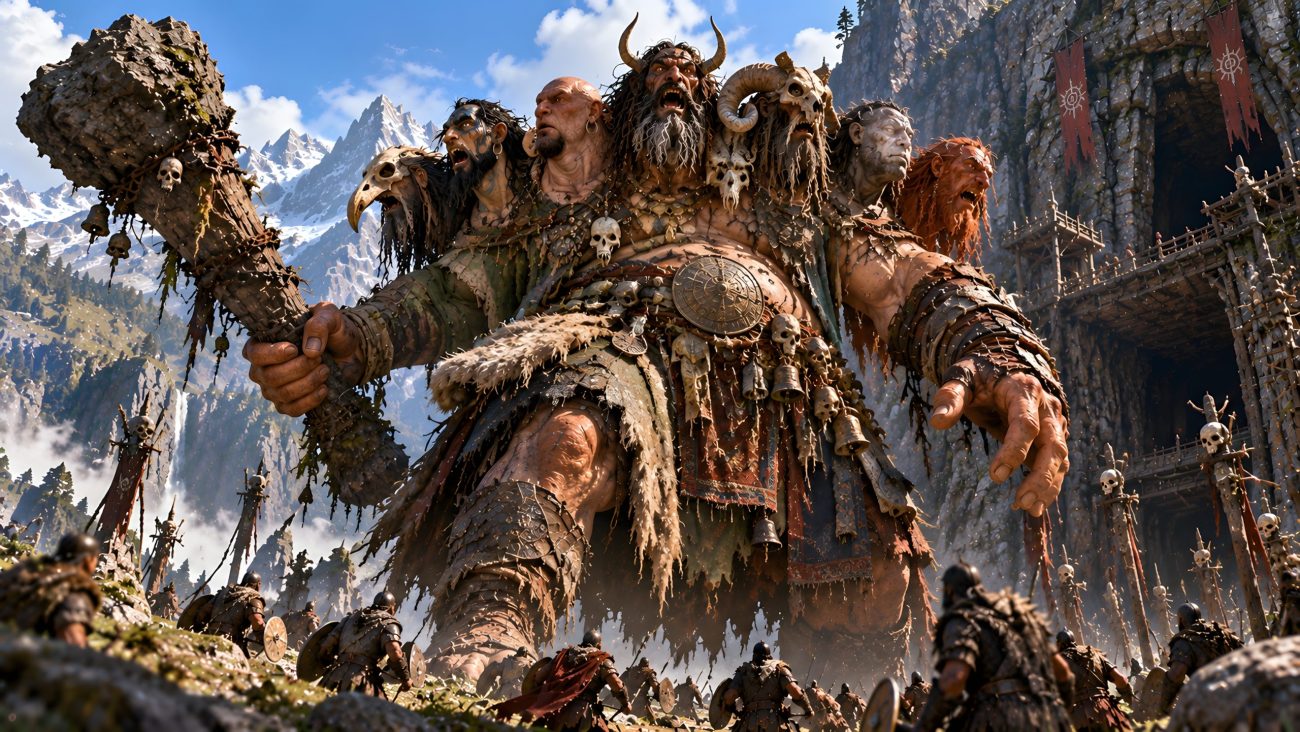
The Gumirs are monstrous seven-headed giants in Ossetian mythology, described as rough, powerful, and immensely strong beings. They dwell in caves and impregnable fortresses, inhabiting places that are difficult for ordinary people to reach. Their multiple heads and formidable strength distinguish them as fearsome figures in the supernatural world of Ossetian folklore.

In the Nart epic, the Gumirs appear as enemies of the Nart heroes, who are renowned for their courage and strength. The giants are described as constantly at odds with the Narts, placing them among the monstrous adversaries whom the heroes must confront.

The name Gumirs has been associated with the ancient Cimmerians. This proposed connection links the giants of Ossetian mythology with the name of an ancient people, although the precise origin of the mythological figures is not established by the tradition described here.


Sources

“Uaiugi.” New Bestiary (Bestiary.us). https://www.bestiary.us/uaiugi


Kokdzyamu

Tradition: Russian Mythology
Alternative Names: Kokdzyamu, Kadz yamu, Kalzamu, Kalama, Kalgama, Kalgomi, Kojamu, Kokgami
Category: Giant


The Myth

Kokdzyamu is an evil mountain spirit in the traditional beliefs of Indigenous peoples of the Russian Far East, including the Oroch, Orok, Udege, Nanai, and Ulch. According to local legends, it lives in caves and can appear as a frightening supernatural being. The spirit reflects the dangers associated with remote mountain landscapes and the fears that such places inspired.

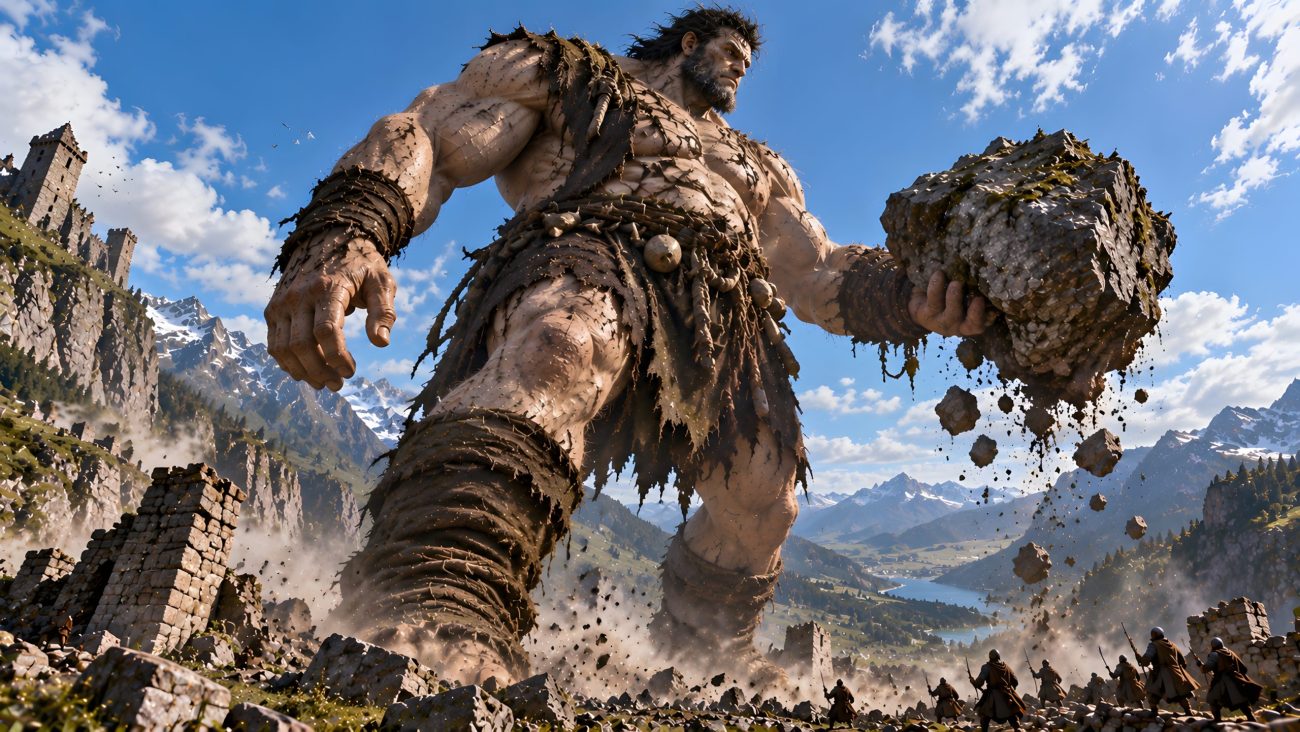
In a recorded account from the early twentieth century, a local informant described Kokdzyamu as a giant with a reddish-shaped head and three-fingered hands. The spirit could transform into an animal. It possessed an outer shell resembling a large rock covered with moss, which lay on the ground in the form of birch-bark cases. These cases could be mistaken for ordinary natural objects, making the spirit difficult to recognize.

The account warns that disturbing Kokdzyamu could be dangerous. A person might be attacked by a predator, or a tree or rock might fall, potentially breaking or dislocating a leg. The spirit’s ability to transform and conceal itself among the landscape made it a threat to people travelling through the mountains.

Kokdzyamu embodies the dangers and uncertainties of the natural world in the folklore of the Indigenous peoples of the Russian Far East. Stories about the spirit offered a supernatural explanation for frightening encounters and accidents in remote wilderness areas.


Sources

Kokdzyamu.” New Bestiary (Bestiary.us). https://www.bestiary.us/kokdzyamu


Uadmers

Tradition: Ossetian Mythology, Russian Mythology
Alternative Names: Uadmerit, Uadmers
Category: Giant


The Myth

The Uadmers are giants in Ossetian folklore, described as some of the first intelligent beings created by God. However, they proved too strong and so enormous that they could not fit into the gorges of the Earth, which could barely support them. Their immense size and strength made them unsuitable for the world in which they had been created.

According to a popular version of the tradition, the Uadmers are the ancestors of the giants known as the Gumirs, who are associated with the Cimmerian people. Their place among the earliest beings in creation connects them with traditions about primordial giants who existed before later generations of humanity.


Sources

“Uadmery.” New Bestiary (Bestiary.us). https://www.bestiary.us/uadmery


Inyzh

Tradition: Russian Mythology
Alternative Names: Inyzh, Adau
Category: Giant


The Myth

The Inyzh are giant beings appearing in the Nart epic and the mythologies of the Caucasian peoples, including the Ossetians, Abkhaz, Adyghe, Balkars, and Karachays. They are commonly portrayed as wild giants of immense size and strength, often possessing multiple heads or a single eye. In the Abkhaz versions of the Nart epic, giants of this kind are known as Adau.

In the Nart traditions, giants are generally depicted as enemies of the Nart heroes. They inhabit remote landscapes and represent a formidable threat because of their supernatural strength and monstrous appearance. Some are described as having two, three, seven, nine, or even twelve heads, while others possess a single eye. Their appearance is sometimes accompanied by a hurricane, thunder, and lightning, and they may be associated with fire or water sources.

Despite their extraordinary physical power, these giants are often portrayed as unintelligent and easily deceived. Nart heroes defeat them through cunning, exploiting their weaknesses rather than relying on strength alone. In some stories, a giant’s severed heads continue to grow or transform into snakes and other creatures. Their bodies may also turn into stone, contributing to the mythological explanations for unusual features of the landscape.

The Inyzh belong to a wider tradition of giants in the Nart epic, where such beings embody a dangerous, chaotic force opposed to the heroic order represented by the Nart people. They are not necessarily ancestors of humanity or primordial beings; instead, they primarily function as monstrous adversaries whom the heroes must overcome.


Sources

“Inyzh.” New Bestiary (Bestiary.us). https://www.bestiary.us/inyzh


Uayug

Tradition: Ossetian Mythology, Russian Mythology
Alternative Names: Uayug, Uayugi, Uayugty, Uayugte, Uayugy, Uaygi, Ualgi
Category: Giant


The Myth

The Uayug are multi-headed giants appearing in Ossetian folklore and the Ossetian versions of the Nart epic. They are monstrous beings of immense physical strength, often described with several heads and fearsome appearances. Their name has been compared with the Indo-Iranian word for “wind” or “air,” and some traditions associate them with the wind god Vayu, although their precise origins remain uncertain.

In Ossetian mythology, the Uayug belong to the world of giants and other supernatural enemies encountered by the Nart heroes. They are related to the broader Caucasian tradition of monstrous giants, including the Inyzh of Adyghe mythology. These beings often possess multiple heads, extraordinary strength, and other supernatural characteristics, and they are typically defeated by heroic figures through combat or cunning.

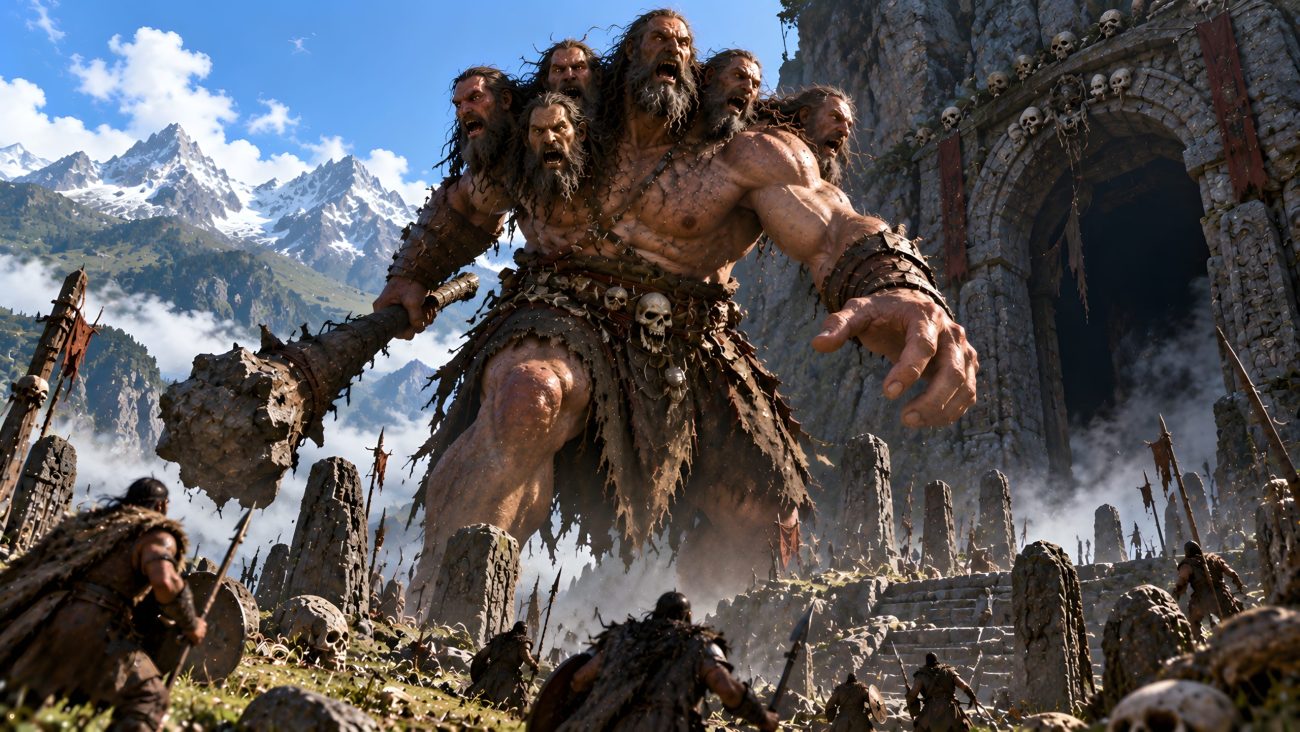
Unlike some comparable giants in neighboring traditions, the Uayug are also associated with the realm of the dead. In Ossetian belief, they may serve as guardians of the gates to the underworld, a role that gives them a demonic character beyond their monstrous size and strength. Their association with death is reflected in traditions concerning the Uayug as guardians of the entrance to the otherworld.

The Uayug therefore occupy a distinctive position in Ossetian folklore: they are both fearsome giants of heroic epic and supernatural beings connected with the underworld. Their role as guardians of the dead distinguishes them from related giant figures elsewhere in the Caucasus.


Sources

“Gumiry.” New Bestiary (Bestiary.us). https://www.bestiary.us/gumiry