Tradition / Region: Armenian Mythology
Alternate Names: Devs (popular belief), “The Brave Ones”
Category: Fairy
The Myth
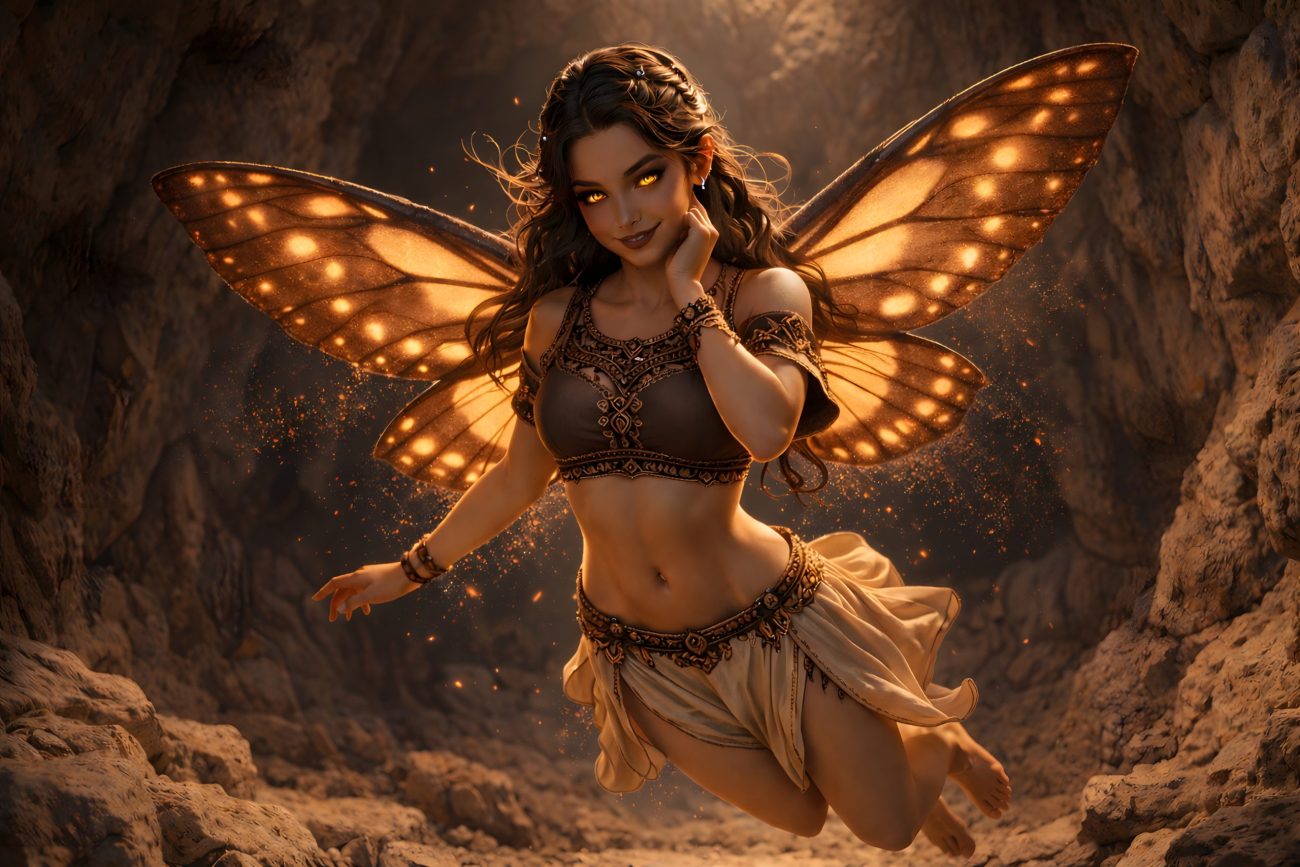
The Kaches are incorporeal spirits in Armenian mythology, forming a link between dragons and the later concept of Devs. Their name, meaning “the brave ones,” is a euphemistic title used to appease them, reflecting a common tradition of referring to dangerous spirits with respectful names.
They are similar to European fairies or kobolds—unpredictable supernatural beings that are not inherently evil but can be harmful. Though considered good in essence by some traditions, they were often instruments of punishment or misfortune.
Kaches were believed to inhabit stony and mountainous places, especially Mount Massis, though they could appear almost anywhere. Many locations were associated with them, indicating a widespread belief in their presence across the landscape.
Like dragons, they were said to have palaces in high or remote places. They were also connected to legendary figures, holding captives such as Artavazd, Alexander the Great, and King Erwand in hidden or supernatural realms.
Their behavior closely resembled that of wild or primitive communities. They hunted, waged wars, and lived in organized groups. At the same time, they interfered with human life by stealing grain and wine, disrupting agriculture, and causing hardship.
They could also be directly hostile. People believed they beat, dragged, or tormented humans, sometimes driving them to madness through their influence.
Kaches were associated with magic and occult practices. Practitioners of magic were said to travel to them, even across water, to gain knowledge or serve them, suggesting that these spirits acted as hidden masters of forbidden knowledge.
They were also known for music. Their singing could be heard by humans, reinforcing their connection to other fairy-like beings in global folklore.
Overall, the Kaches represent a class of elusive and ambivalent spirits—neither fully benevolent nor entirely malevolent—existing between the natural and supernatural worlds, and deeply embedded in the mythological landscape of Armenia.
Sources
Ananikian, M. H. (1925). Armenian Mythology. In The Mythology of All Races, Vol. 7. Published by the Archaeological Institute of America p. 77–79.