Water Babies

Tradition / Region: Paiute Mythology, American Mythology
Alternate Names: Paakniwat, Pa’oha’a, Pā’ōna, Paohmaa, Pangam kiktam, Pa’-nawi-s, Pa-nugis, Para Ub, s’o:lmexw; Water-Baby Spirits
Category: Mermaid


The Myth

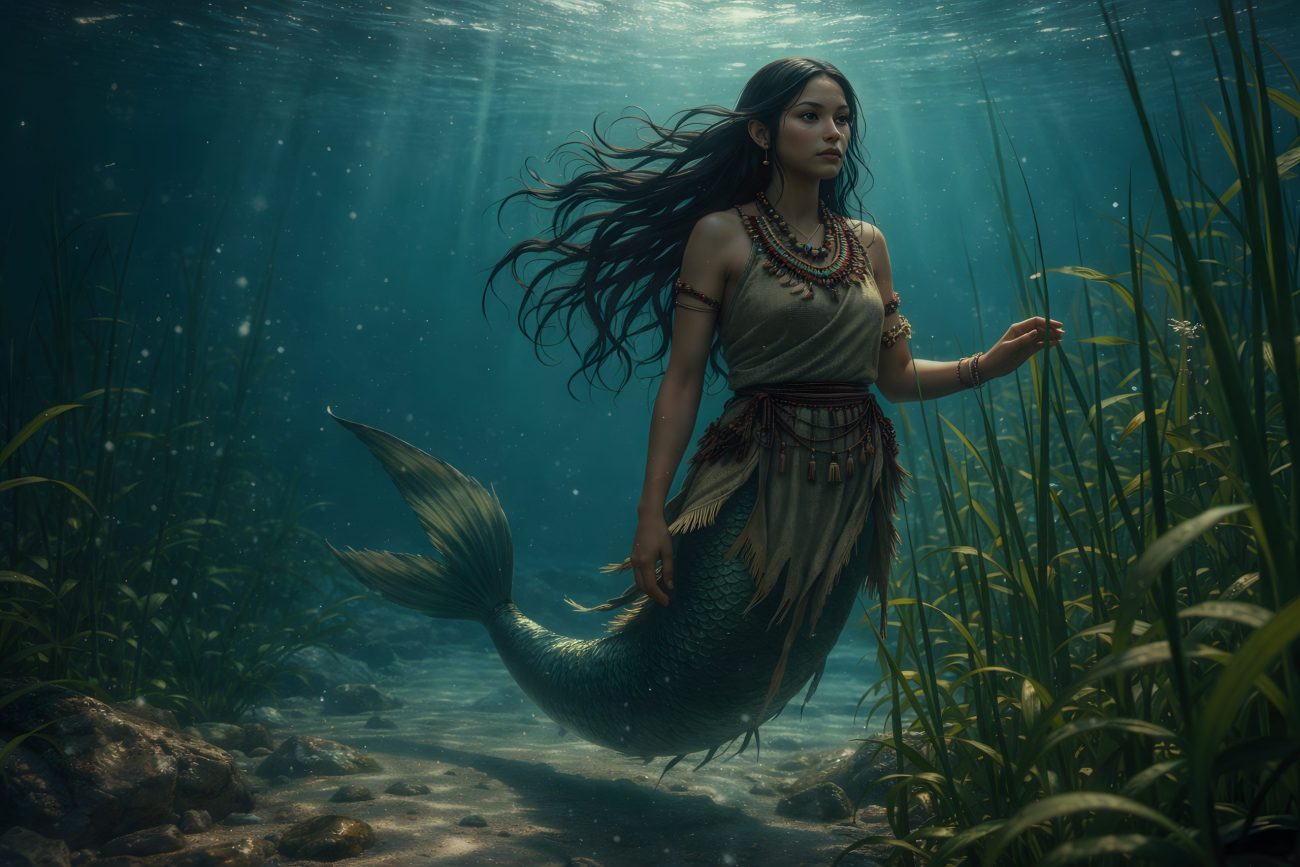
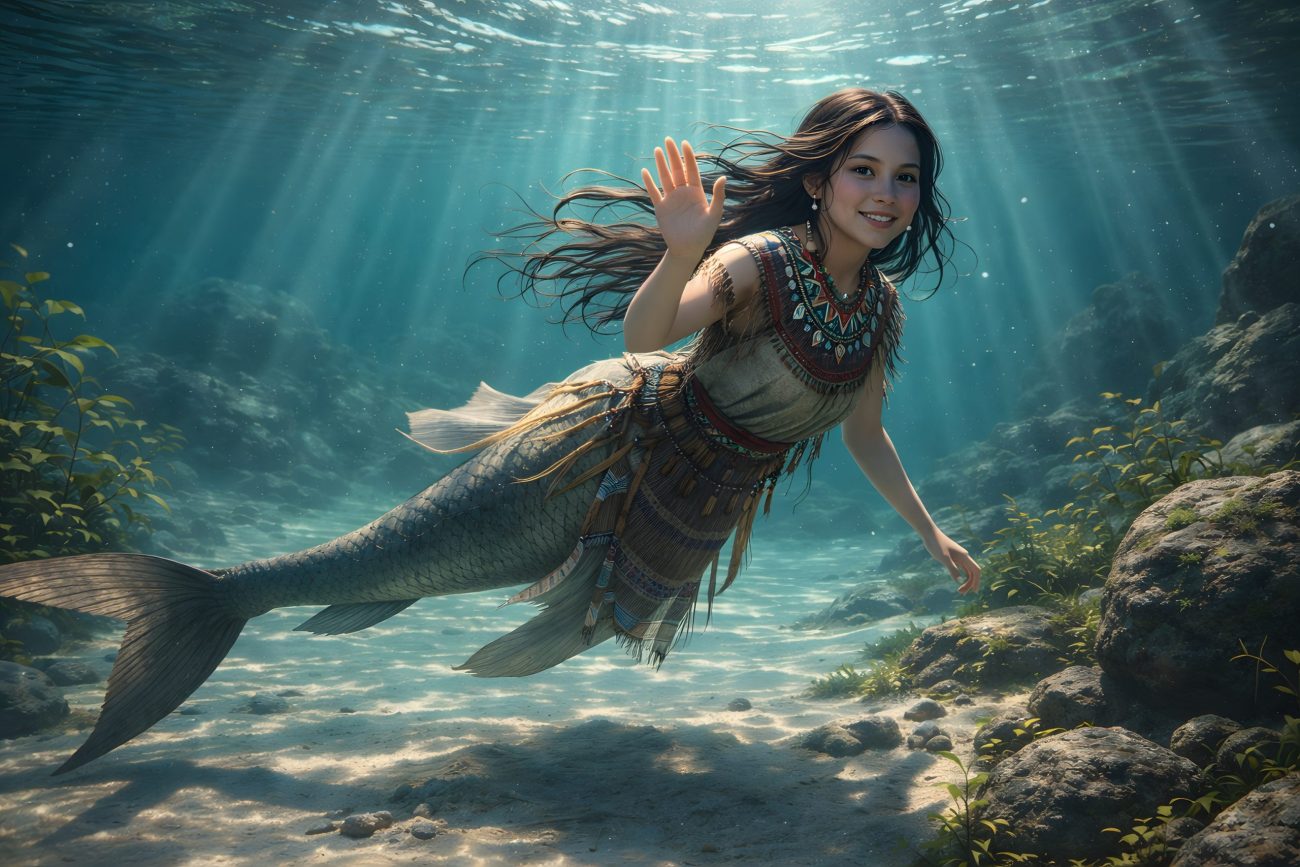
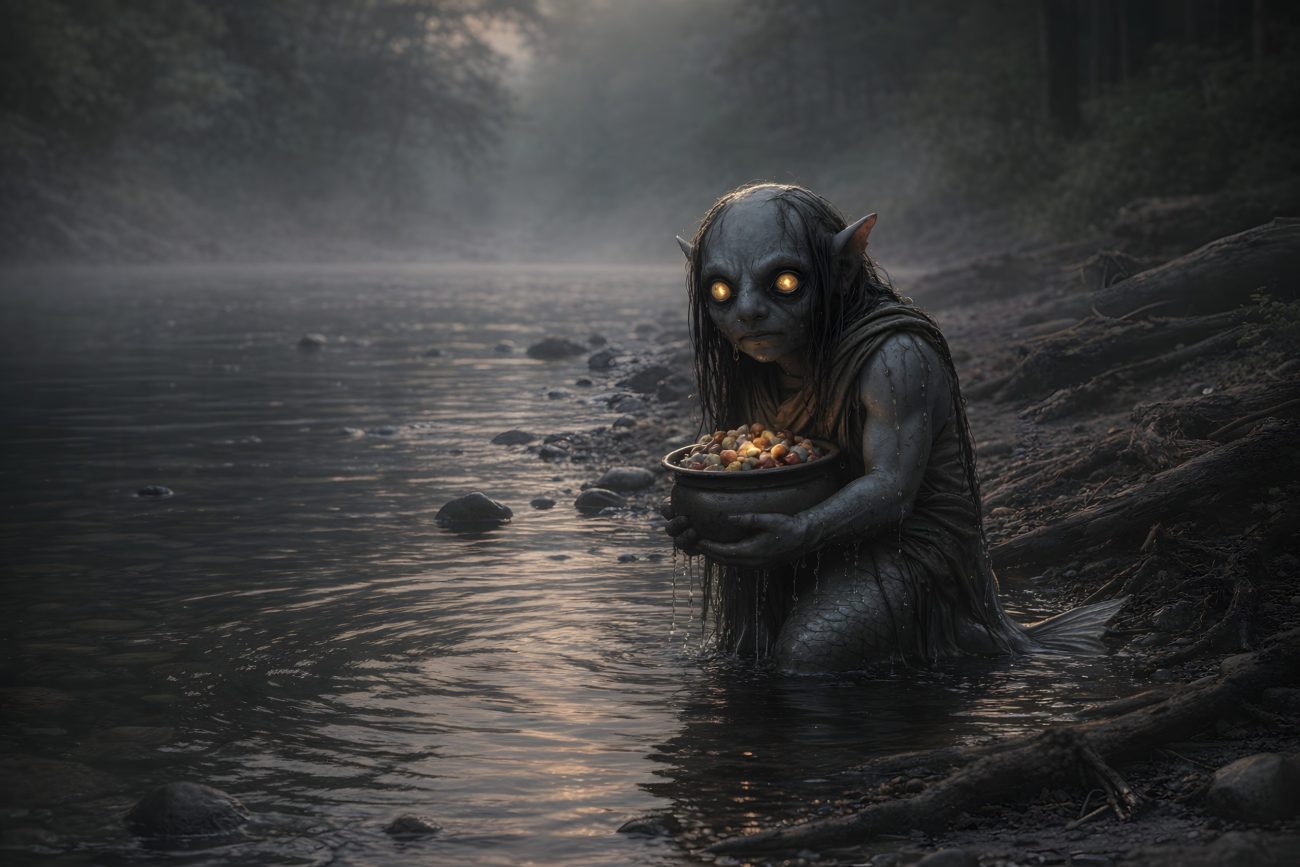
In springs, quiet pools, and lonely streams of the western lands, people tell of beings called Water Babies. They are small spirits who dwell where water rises from the earth, rarely seen but often heard.

Most often they appear as human infants — tiny, beautiful, and helpless-looking. Sometimes, however, they are said to have fish tails, or strange reptilian bodies, and only imitate the cries of a child. Their voices echo from reeds, from rock pools, or from the dark mouth of a spring, sounding exactly like a lost baby wailing in distress.

Those who hear the crying are warned not to go searching for it. In many traditions, the sound itself is a sign that death is near, a warning carried on the water. In others, the danger comes from pity: anyone who follows the cry and tries to pick up the unseen child may be seized by the spirit, pulled into the water, or struck by misfortune soon after.

Because of this, the cries of Water Babies are feared. They are the voices of the springs themselves — calling, mourning, and luring — and wise people turn away from the sound and leave the waters undisturbed.


Gallery


Sources

native-languages.org contributors. (n.d.). Water Babies. In native-languages.org, from https://www.native-languages.org/water-babies.htm


Interpretive Lenses

Religious Readings
  • Christian Ascetic Deep Dive
Philosophical Readings
  • Nietzschean Deep Dive
Psychological Readings
  • Jungian Deep Dive
Esoteric Deep Dive
  • Hermetic Deep Dive
Political / Social Readings
  • Marxist Deep Dive
Other
  • How to Invite The Water Babies

Nibiinaabe

Tradition / Region: Anishinabe Mythology, American Mythology
Alternate Names: Nibinabe, Nibanaba, Nibanabe, Nibiinaabeg (plural), Nibiinabekwe (female form)
Category: Mermaid


The Myth

In the lakes and rivers of the Anishinaabe lands live the Nibiinaabe, the water people.

They are shaped like human beings from the waist up, but below they bear the tail of a fish. They dwell beneath the surface of deep waters, moving silently through reeds and currents where the light fades into shadow.

The Nibiinaabe are seldom seen. At times, a ripple in still water or a fleeting shape beneath the surface is said to be one of them watching. They are not drawn to villages, nor do they linger near busy shores. Loud noises drive them away, and the crash of drums or shouting will send them retreating into the depths.

Some say that on quiet evenings, when mist lies low over the water, they rise near the surface and sing softly to one another in voices that blend with the sound of waves against the shore.

Among the Ojibwe, the Nibiinaabe are honored as a clan symbol. The Mermaid Clan bears their name, and their totem remembers these beings of the water—guardians of lakes and rivers, neither wholly human nor wholly fish, but belonging to the living spirit of the waters themselves.


Gallery


Sources

native-languages.org contributors. (n.d.). Nibiinaabe. In native-languages.org, from https://www.native-languages.org/nibiinaabe.htm


Interpretive Lenses

Religious Readings
  • Christian Ascetic Deep Dive
Philosophical Readings
  • Nietzschean Deep Dive
Psychological Readings
  • Jungian Deep Dive
Esoteric Deep Dive
  • Hermetic Deep Dive
Political / Social Readings
  • Marxist Deep Dive
Other
  • How to Invite The Nibiinaabe

Ne Hwas

Tradition / Region: Wabanaki Mythology, American Mythology
Alternate Names: Nehwas, Newas, Niwah
Category: Mermaid


The Myth

In the waters of the Passamaquoddy homeland, there is a spirit remembered as Ne Hwas—a being of river and sea, half woman and half fish, moving between the world of people and the deep places beneath the surface.

One story tells of two young girls who wandered too close to the water’s edge. They were drawn by the shimmer of the tide and the distant singing that seemed to rise from beneath the waves. Whether through curiosity, longing, or enchantment, they entered the water—and did not return as they had been.

When they were seen again, it was in the currents. Their bodies had changed. From the waist down, they bore the glistening tails of fish. Their hair flowed around them like riverweed, and their voices carried strangely across the water. They were no longer bound to the shore.

Some say they had become spirits of the water, Ne Hwas, belonging now to the hidden world beneath the surface. They swam through inlets and along rocky coasts, appearing at times to fishermen or children who lingered near the tide pools. They were not cruel, but neither were they fully human anymore. The water had claimed them.

Those who glimpsed them told of sadness in their eyes, as though they remembered the warmth of the land but could never quite return to it. And so their story remained—a warning and a wonder—about the deep waters, and how those who step too far into their mystery may find themselves changed forever.


Gallery


Sources

native-languages.org contributors. (n.d.). Ne Hwas. In native-languages.org, from https://www.native-languages.org/ne-hwas.htm


Interpretive Lenses

Religious Readings
  • Christian Ascetic Deep Dive
Philosophical Readings
  • Nietzschean Deep Dive
Psychological Readings
  • Jungian Deep Dive
Esoteric Deep Dive
  • Hermetic Deep Dive
Political / Social Readings
  • Marxist Deep Dive
Other
  • How to Invite The Ne Hwas

Lumpeguin

Tradition / Region: Wabanaki Mythology, American Mythology
Alternate Names: Lampeqin, Lampekwin, Lumpegwen, Lumpeguinuwok (plural)
Category: Mermaid


The Myth

In the rivers and coastal waters of Wabanaki lands dwell the Lumpeguin, small and powerful water spirits. Some say they appear as little people with shining eyes and long hair dripping with river water. Others say they are like tiny mermaids, with human faces and fish tails flashing silver beneath the surface. They move easily between water and shore, belonging fully to neither.

The Lumpeguin are beings of quiet magic. They can multiply food from almost nothing. A scrap of bread may become a feast in their hands. A handful of snow may be baked into warm loaves. Some carry enchanted pots that never empty, feeding those they favor. Their gifts, however, are never given lightly.

Like many nature spirits, a Lumpeguin’s power is bound to a magical garment—an article of clothing that allows them to move between worlds. If that garment is stolen, the Lumpeguin falls under the power of the thief. In old tales, men—and sometimes even animals—have hidden these garments and forced Lumpeguin women to remain on land as wives. Though they may live for a time among humans, their hearts remain with the water. If they ever recover their hidden clothing, they return at once to the rivers and are never seen again.

One tale tells of two Lumpeguin sisters who were captured in this way by Marten, a clever forest being. He hid their magical garments and claimed them as wives. The sisters lived with him, but they did not forget who they were. Through patience and cunning, they eventually regained their garments and set off on journeys of their own, traveling through forest and water alike, neither fully captive nor fully free until they reclaimed their power.

The Lumpeguin remind those who hear their stories that the spirits of the rivers cannot be possessed without consequence. Water gives life and sustenance, but it belongs first to itself. Those who try to bind it may hold it for a while—yet in the end, it always slips back to its own depths.


Gallery


Sources

native-languages.org contributors. (n.d.). Lumpeguin. In native-languages.org, from https://www.native-languages.org/lumpeguin.htm


Interpretive Lenses

Religious Readings
  • Christian Ascetic Deep Dive
Philosophical Readings
  • Nietzschean Deep Dive
Psychological Readings
  • Jungian Deep Dive
Esoteric Deep Dive
  • Hermetic Deep Dive
Political / Social Readings
  • Marxist Deep Dive
Other
  • How to Invite The Lumpeguin

Sabawaelnu

Tradition / Region: Micmac Mythology, American Mythology
Alternate Names: Sapowanilnu, Sapoqwanilnu; Halfway People
Category: Mermaid


The Myth

In the rivers, coves, and ocean inlets of Mi’kmaq lands live the Sabawaelnu—the Water People. They are called the Halfway People because they are neither fully human nor fully fish. From the waist up they appear as men and women, with long hair that flows like currents in the tide. From the waist down they bear the powerful tail of a fish, swift and strong in the water.

They dwell beneath the waves, in places where the water turns dark and green and deep. Sometimes they rest among kelp forests that sway like underwater trees. Sometimes they gather near rocky shores where the sea breathes in and out with the tide.

The Sabawaelnu are masters of storms. When the wind rises suddenly and the waves grow sharp and angry, it is said that the Water People are moving beneath the surface. A flick of a tail can churn the sea. A song rising from the depths can call the clouds together.

Yet they are not wicked spirits. They do not trouble those who honor them. Fishermen who greet the waters with respect, who never mock the sea or boast against it, are left unharmed. Some elders say that if you listen carefully to the wind over the water, you can hear the Sabawaelnu singing. Their songs carry warnings—of coming rain, of shifting winds, of dangerous tides.

Those who understand the meaning hidden in their voices can prepare before the storm arrives.

On calm evenings, when the surface of the water lies smooth as glass, a watcher might glimpse a shape moving just below. A pale arm breaking the surface. A dark head slipping between the swells. Then nothing—only ripples spreading outward.

They are the people of the water, halfway between worlds, powerful and watchful. The Sabawaelnu remind all who live near the sea that the waters are alive, and that respect is the price of safe passage.


Gallery


Sources

native-languages.org contributors. (n.d.). Sabawaelnu. In native-languages.org, from https://www.native-languages.org/sabawaelnu.htm


Interpretive Lenses

Religious Readings
  • Christian Ascetic Deep Dive
Philosophical Readings
  • Nietzschean Deep Dive
Psychological Readings
  • Jungian Deep Dive
Esoteric Deep Dive
  • Hermetic Deep Dive
Political / Social Readings
  • Marxist Deep Dive
Other
  • How to Invite The Sabawaelnu