Tradition / Region: Norse Mythology
Alternative Name: –
Category: Spirit
The Myth
A Fylgja is a supernatural spirit that accompanies a person throughout life and is closely connected to their fate and fortune. Although its name means “follower,” it often appears ahead of its owner, foreshadowing important events. As death approaches, however, it stays close to the person.
A Fylgja most commonly appears in one of two forms: an animal or a woman.
In its animal form, the Fylgja reflects the nature of the person it belongs to. Gentle or dependable individuals might be accompanied by an ox, goat, or boar, while fierce or cunning people could have a wolf, fox, bear, eagle, falcon, serpent, deer, lion, or other powerful animal as their spirit companion. The animal often appears in dreams as an omen, foretelling future events or the owner’s destiny. In some sagas, the Fylgja is also linked to shape-shifting, with warriors taking on the forms of bears or wolves in battle.
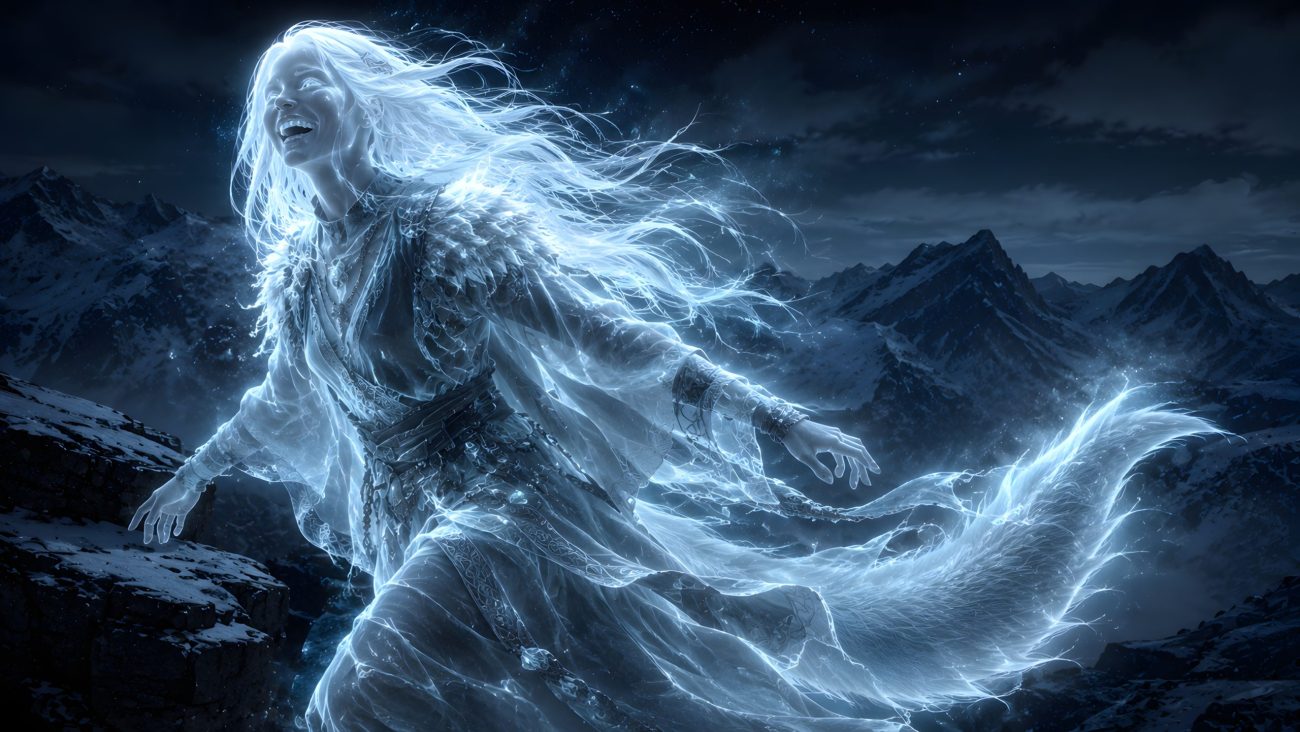
In its female form, the Fylgja appears as a mysterious woman, especially in dreams. She acts as a guardian spirit for an individual or an entire family, warning of danger or revealing a person’s fate. Some heroes are visited by both a benevolent and a malevolent dream-woman, representing opposing destinies or influences.
Seeing one’s own Fylgja while awake is considered a grave omen, often foretelling the person’s imminent death. The sagas describe several warriors and poets who recognized their Fylgja shortly before they died.
According to one traditional belief, the Fylgja originates at birth. It may take the form of the first animal that consumes a newborn’s afterbirth, linking that animal to the child’s life. Because of this connection, the Fylgja is regarded not merely as a guardian but as a person’s spiritual double, sharing their life and ultimately perishing when they die.
Sources
Wikipedia contributors. (n.d.). Fylgja. In Wikipedia. Retrieved June 29, 2026, from https://en.wikipedia.org/wiki/Fylgja